
Radiation emergencies
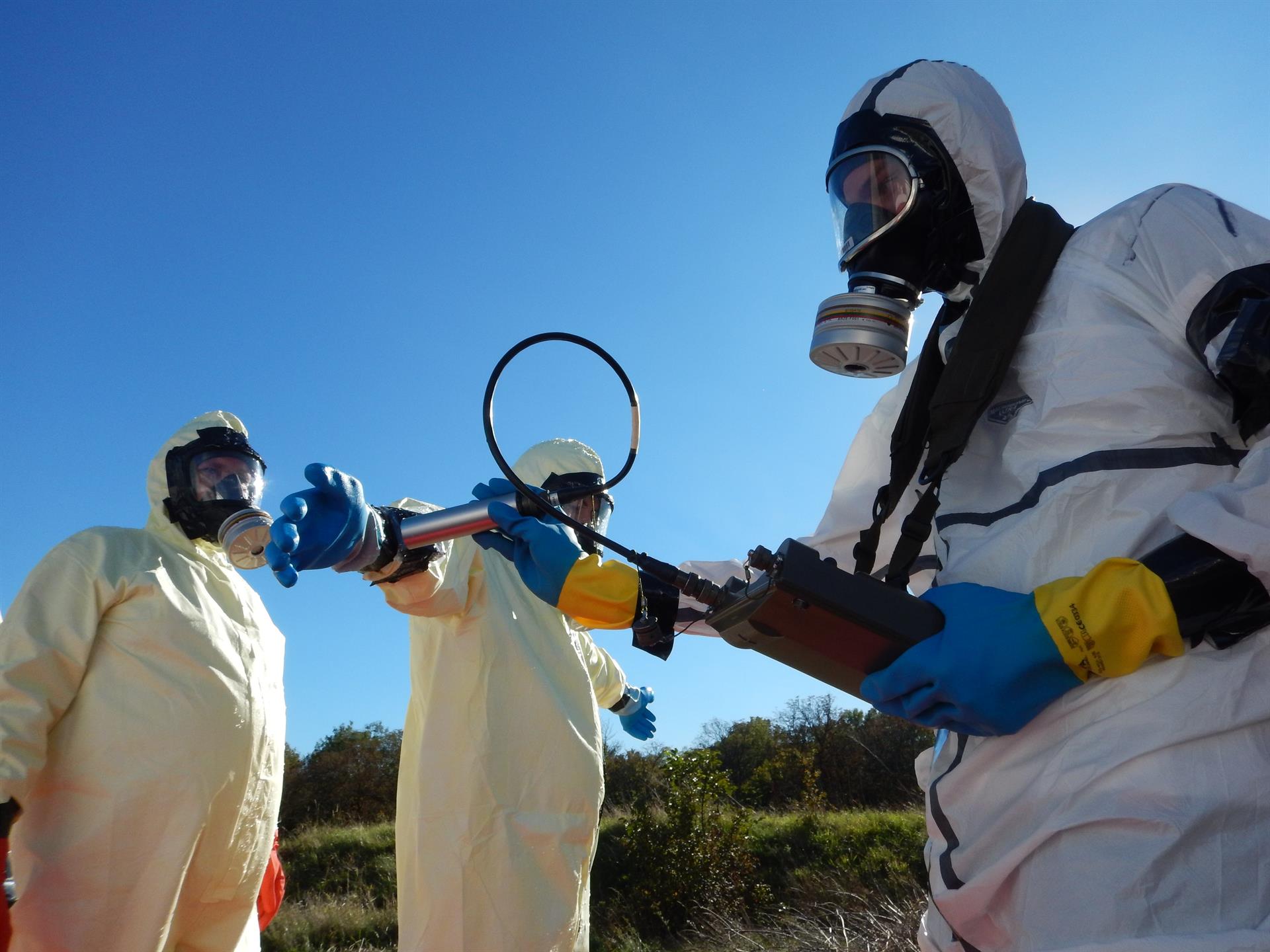
Radiation emergencies can be accidental or deliberate, when caused by terrorists. They refer to non-routine situations where there is a release of radiation or risk of exposure. Regardless to whether the accident is an isolated event or a large-scale catastrophe, such as Chernobyl, radiation emergencies can greatly impact life, property and the environment.
Radiation emergencies include:
- nuclear emergencies, such as the explosion of a nuclear weapon
- dirty bombs
- radiological exposure devices
- nuclear power plant accidents
- transportation accidents involving radiation
- occupational accidents, such as over-exposure to radiation in health-care facilities.
In a radiation emergency, victims can be harmed by one or more of the following causes: external exposure, contamination, and conventional trauma. Depending on the type of radiation emergency, the health impacts include:
- injury or death due to a blast or high level of radiation exposure
- moderate to severe burns
- flash blindness
- radiation sickness (also called acute radiation syndrome or ARS)
- contaminated food and water sources.
Injuries could also arise from other hazards, such as fires or steam leaks; or could result from mass panic actions, such as people running in a crowd.
The most common signs and symptoms of acute radiation exposure and large doses are nausea and vomiting. The symptoms often manifest within hours of exposure. Radiation burns can have a latency period of days to weeks before they become apparent. All individuals involved in radiation emergencies may experience varying degrees of psychological distress.
The International Health Regulations (2005) states that the public health sector must be prepared to respond and to provide medical care to the injured.
WHO established the Radiation Emergency Medical Preparedness and Assistance Network (REMPAN) to promote preparedness for radiation emergencies and to advise health authorities in the event of overexposure of people to any source of radiation. The Network’s centres provide emergency medical assistance after radiation accidents and conduct technical training as a preparedness measure.
Through the Network, WHO also works to strengthen the response capabilities of international and national bodies during radionuclear emergencies, and formulates standards for food and water consumption immediately after radiation accidents.
WHO is a full party to the Conventions on Early Notification of a Nuclear Accident and Assistance in the Case of a Nuclear Accident or Radiological Emergency, for which the International Atomic Energy Agency (IAEA) is the focal point. These Conventions provide the prime legal instruments that establish an international framework to facilitate exchange of information and the prompt provision of assistance in the event of radiation emergencies, with the aim of minimizing the health consequences.