

Minimizing health risks at airports, ports and ground crossings
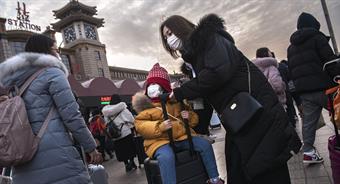
While international transport, travel and trade contribute to economic development and welfare of populations, they may also pose public health risks. Today’s high traffic at airports, ports and ground crossings can play a key role in the international spread of diseases through persons, conveyances and goods.
Under the International Health Regulations (IHR 2005), Member States are requested to maintain public health measures and response capacity at designated airports, ports and ground crossings. This protects the health of travellers and the population, keeps ports, airports and ground crossings running, and ensures ships, aircrafts and ground transportation are in sanitary condition so that no unnecessary health-based restrictions are placed on international traffic and trade.
WHO supports Member States in putting into action event management and preparedness plans at points of entry and facilitates the implementation of appropriate measures in response to public health risks that do not impose unwarranted restrictions on travel and trade. We also produce, update, and disseminate technical guidance and training tools to support Member States in developing competencies to fulfill their IHR requirements at points of entry.