
Managing health risks during mass gatherings
Mass gatherings, like sporting events or religious pilgrimages, are highly visible events attended by tens of thousands of people. They can pose public health risks and strain the public health resources of the hosting community, city or country. Mass gatherings, like the Olympics or Hajj, require considerable preparedness and response capabilities on the part of the host.
Globally, WHO collaborates with Member States and partners to improve planning for mass gatherings. Specific areas of WHO’s work include:
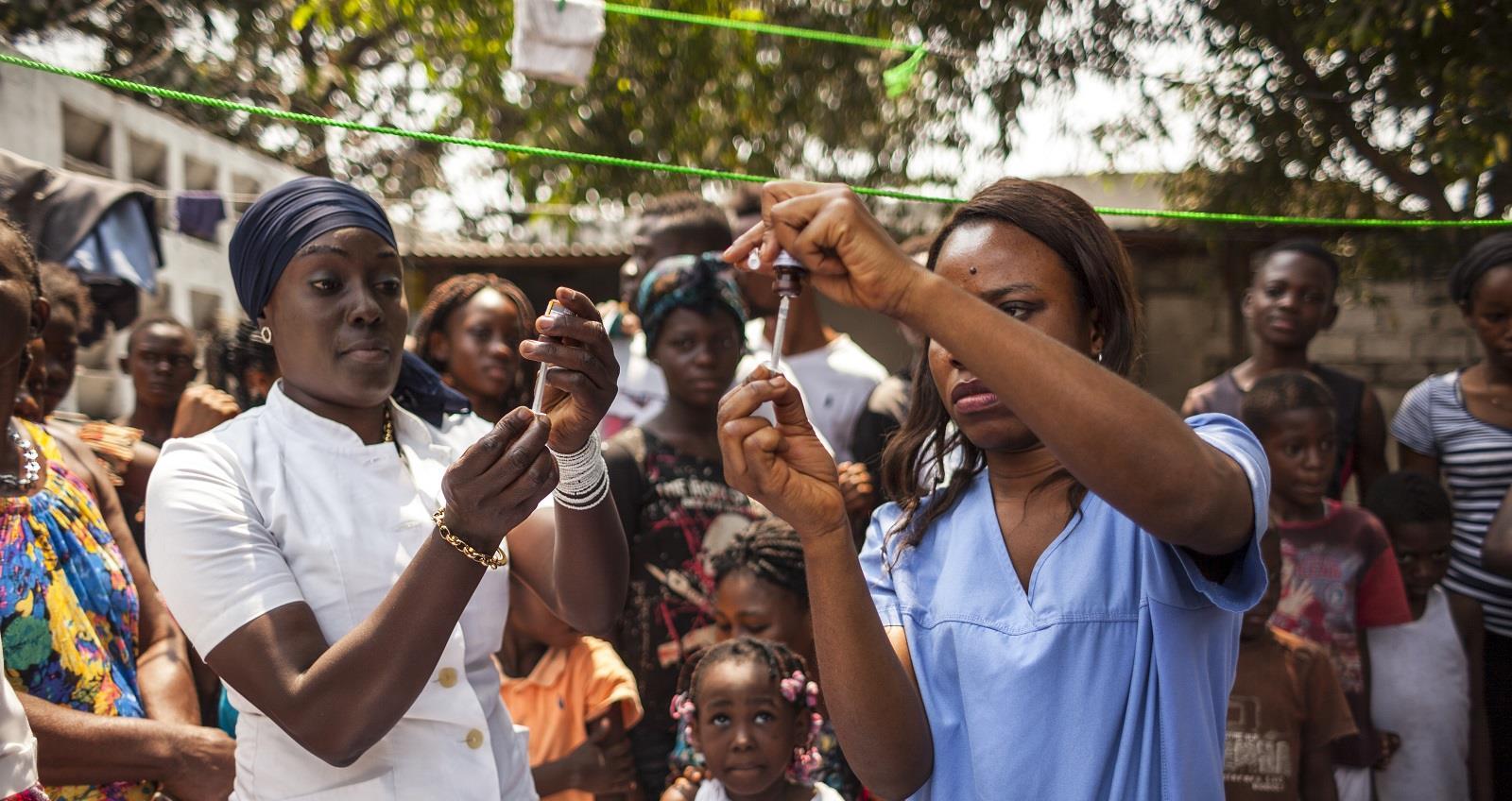
- ensuring that correct standards are applied to risk assessment, surveillance and response, including outbreak management, infection control and vaccination;
- supporting planning for the management of mass casualties and emergencies in local communities, at event venues;
- ensuring that adequate diagnostic capacities, including human resources, and transport procedures are in place;
- ensuring that procedures are in place to provide updated health advice and guidance for visitors on topics such as vaccinations, food and water safety, and emergency contact numbers;
- carrying out activities before and during mass gatherings to encourage healthy behaviours, such as increased physical activity, cessation of tobacco use, avoidance of excess alcohol and safe sex practices.