

Response in environmental health emergencies
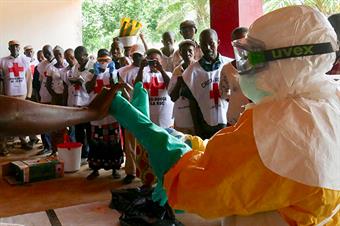
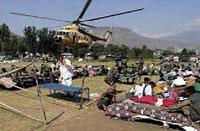
In the response phase of a disaster, immediate assistance is provided to the affected population. Efforts are focused on saving lives, reducing suffering and supporting people’s morale.
Immediately after a disaster, response activities include:
- containing the release of hazardous materials
- assessing infrastructure damage
- assessing of the health needs of the affected population
- identifying necessary resources as well as priorities for intervention.
Response activities depend on the nature of the disaster, the effectiveness of preventive measures and the level of preparedness for the disaster.
Environmental health agencies are usually called upon to deal with immediate problems. To be able to respond effectively, these agencies must have experienced leaders, trained personnel, adequate transport and logistic support, appropriate communications, and guidelines for working in emergencies. Planning and preparation is essential for the agencies to work effectively and meet the immediate environmental health needs of the people.