
Our work in Thailand
WHO’s work in Thailand is based on the Country Cooperation Strategy (CCS) 2017–2021 for Thailand describes WHO’s medium-term strategic vision to guide the Organization’s work in Thailand. Most importantly, it describes five priority programmes on which the Ministry of Public Health in Thailand, its numerous partners, and the World Health Organization will work jointly over the next 5 years. These programmes address some of the critical public health issues facing Thailand in its unique context – an upper-middle-income country that has pioneered universal health coverage and that is committed to improving health through knowledge generation, evidenced-based policy and social/political action. It works to improve systems needed to implement national health policies, strategies and plans, and to achieve national targets under the Sustainable Development Goals.
One Strategic Plan 2017 - 2021
The WHO Country Office’s fifth Country Cooperation Strategy (CCS) 2017–2021 is our strategic vision for the organization’s work with the Royal Thai Government and its partners. The CCS in Thailand is a strategic, innovative and unique approach to partnership – more than 60 stakeholders including the Ministry of Public Health, academia, civil society, other sectors and government autonomous health agencies all come together to work on a limited number of clear priorities based on evidence. In this CCS, WHO uses its social and intellectual capital to catalyze broader collaboration across sectors.
This CCS focuses of the following five strategic priorities:
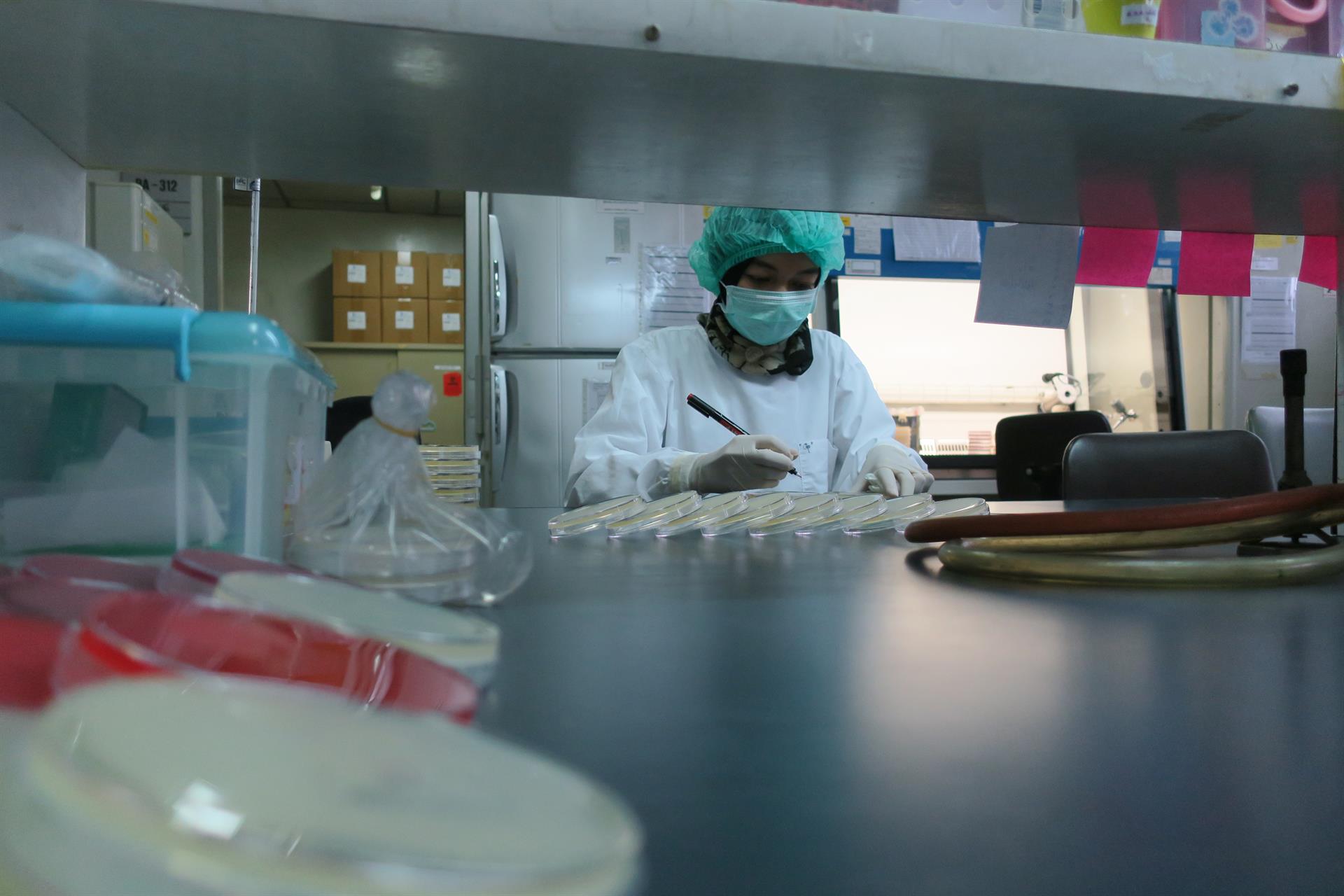
- Antimicrobial Resistance
- Global Health Diplomacy (including International Trade and Health)
- Migrant Health
- Noncommunicable Diseases
- Road Safety
Through this CCS, the WHO Country Office for Thailand contributes to improving the health of all people living in Thailand, by bringing together the Ministry of Public Health, other ministries and a wide spectrum of partners to discuss critical health priorities and stimulate high-value policy work, knowledge generation, advocacy and capacity-building.