



Radiation
Radiation is energy that travels in the form of waves or particles and is part of our everyday environment. People are exposed to radiation from cosmic rays, as well as to radioactive materials found in the soil, water, food, air and also inside the body.
Human-made radiation sources are widely used in medicine, industry, and research. There are two types of radiation: ionizing and non-ionizing radiation.
Ionizing radiation is a type of energy released by atoms that travels in the form of electromagnetic waves (gamma or X-rays) or particles (neutrons, beta or alpha). Ionizing radiation can remove electrons from the atoms, i.e. they can ionize atoms.
In terms of natural radiation sources, there are more than 60 different naturally occurring radioactive materials present in the environment, with radon gas being the highest contributor to people’s exposure.
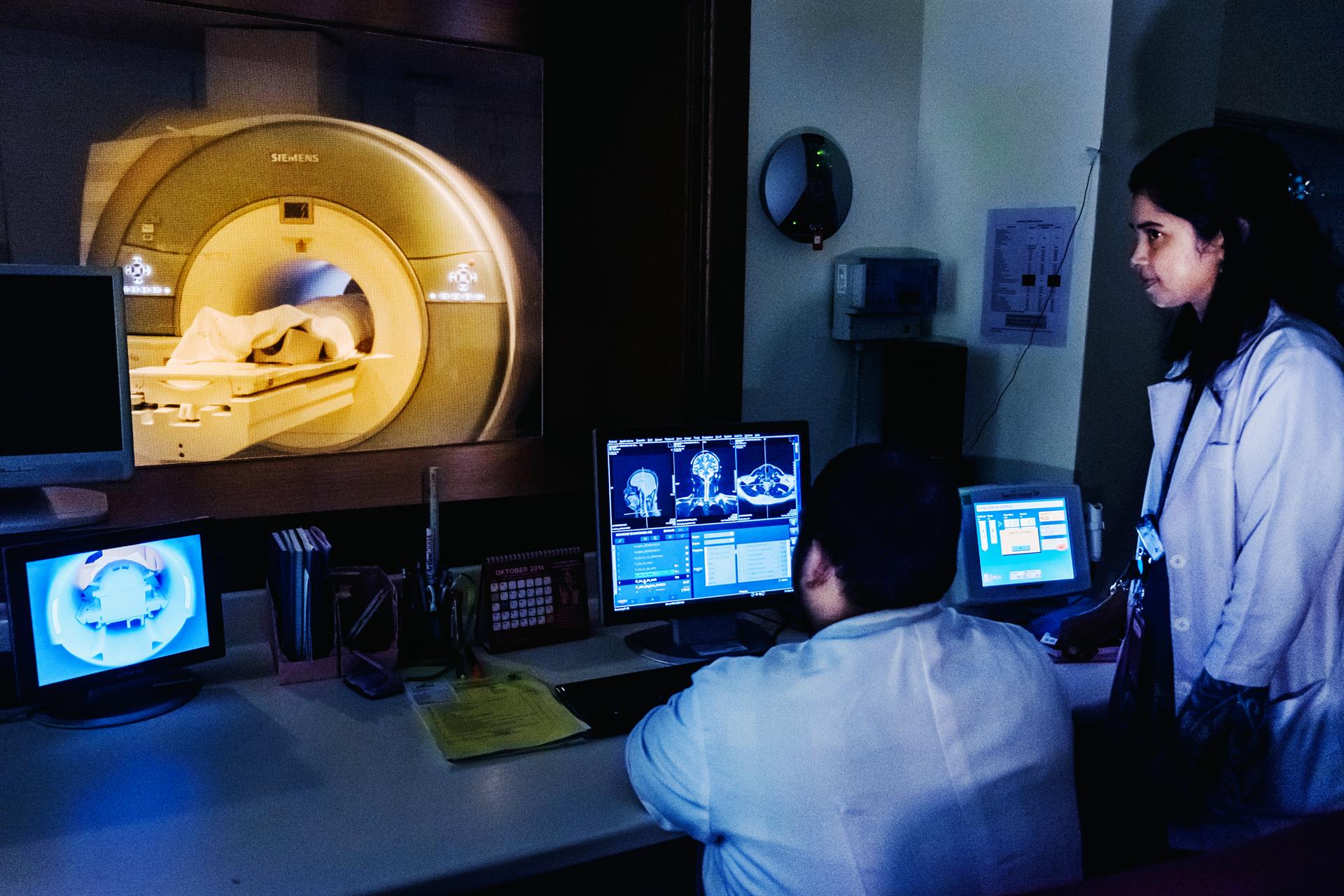
Artificial radiation sources are used for nuclear power generation and many other industrial and research applications, with the medical use of ionizing radiation being today the highest contributor to people’s exposure (e.g. diagnostic radiology, image-guided interventions, nuclear medicine and radiotherapy).
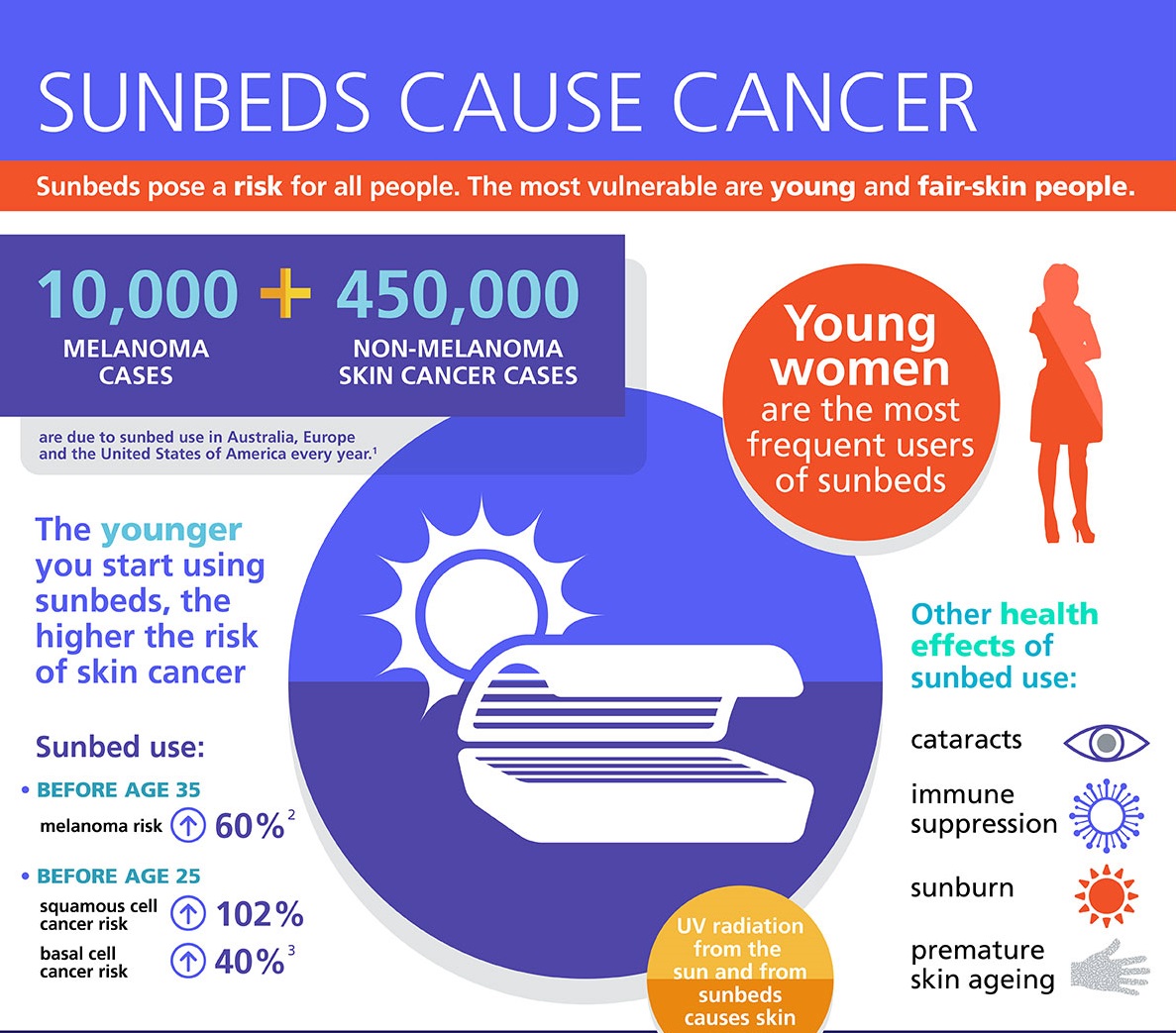
Non-ionizing radiation is radiation in the part of the electromagnetic spectrum where there is insufficient energy to cause ionization. It includes electric and magnetic fields, radio waves, microwaves, and optical radiation, which consists of infrared, visible, and ultraviolet radiation.
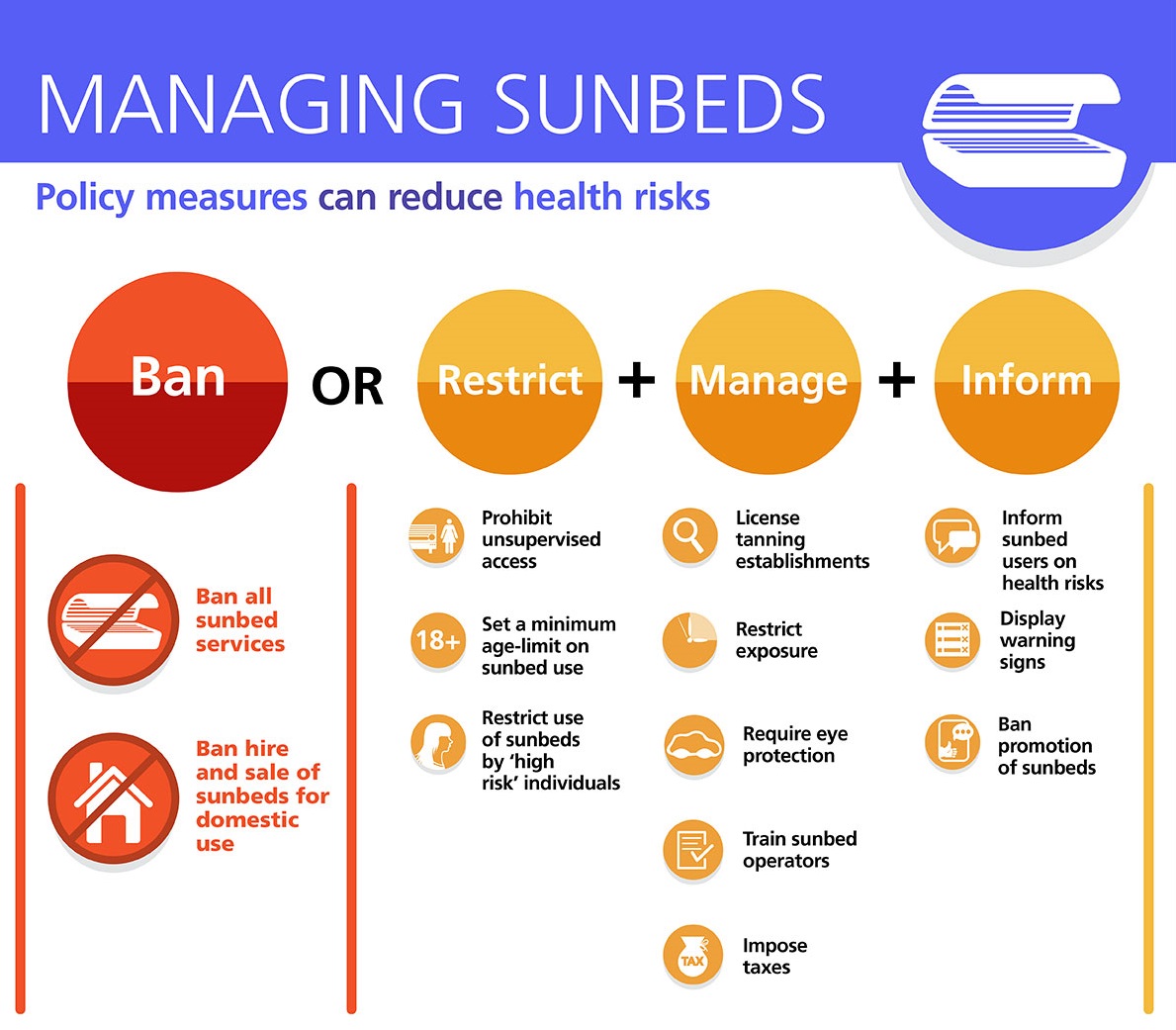
Non-ionizing radiation encompasses both natural and human-made sources of electromagnetic fields. Electrical power supplies and appliances are the most common sources of low frequency electric and magnetic fields in our living environment. Everyday sources of radiofrequency electromagnetic fields include telecommunications, broadcasting antennas and microwave ovens.
Optical radiation technologies, such as lasers, light bulbs and UV lamps, are used in industry, research and medicine. Non-ionizing radiation also encompasses mechanical waves such as infrasound and ultrasound.