

Maternal health
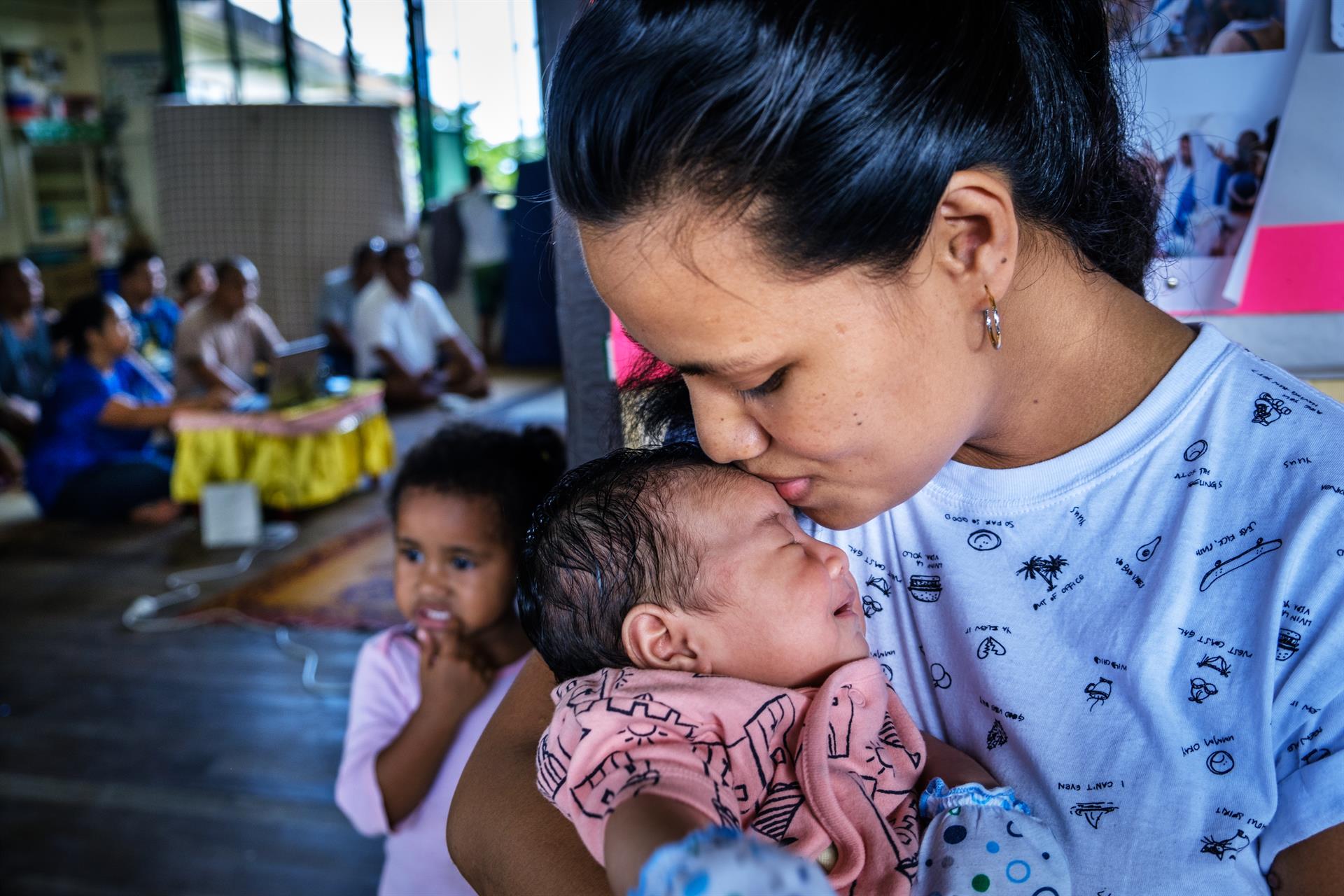
WHO is supporting countries to deliver integrated, evidence-based and cost-effective care for mothers and babies during pregnancy, childbirth and the postpartum period. Investing in health systems – especially in training midwives and in making emergency obstetric care available round-the-clock – is key to reducing maternal mortality.
Millennium Development Goal 5, improve maternal health, set the targets of reducing maternal mortality by 75% (MDG 5a) and achieving universal access to reproductive health by 2015 (MDG 5b). Despite significant declines, MDG 5a was not met. Progress in reducing mortality in developing countries and providing contraceptive services was insufficient to meet the targets. Looking beyond 2015, the Sustainable Development Goals offer a renewed opportunity to see improvements in maternal health for all women, in all countries, under all circumstances.
Despite progress, societies are still failing women, most acutely in poor countries and among the poorest women in all settings. Gender-based discrimination leads to economic, social and health disadvantages for women, affecting their own and their families’ well-being in complex ways throughout the life course and into the next generation. Gender equality is vital to health and to development.
While the rate of skilled care during childbirth has increased from 58% in 1990 to 73% in 2013, mostly due to increases in facility-based births, giving birth in a health facility does not equate with a safe birth.
In response to this situation, WHO and UNICEF launched a Network for Improving Quality of Care for Maternal, Newborn and Child Health IN 2017, to cut preventable maternal and newborn illness and deaths, and to improve every mother’s experience of care.
Other interventions include the French Muskoka Initiative which aims to reduce maternal, newborn and child mortality through strengthening the health systems of 10 French-speaking countries in Africa and Haiti.
About 810 women die from pregnancy- or childbirth-related complications every day. 94% of all maternal deaths occur in low and lower middle-income countries.
To accelerate the decline, countries are united behind a new target to reduce maternal mortality even further. One target under Sustainable Development Goal 3 is to reduce the global maternal mortality ratio to less than 70 per 100 000 births, with no country having a maternal mortality rate of more than twice the global average.
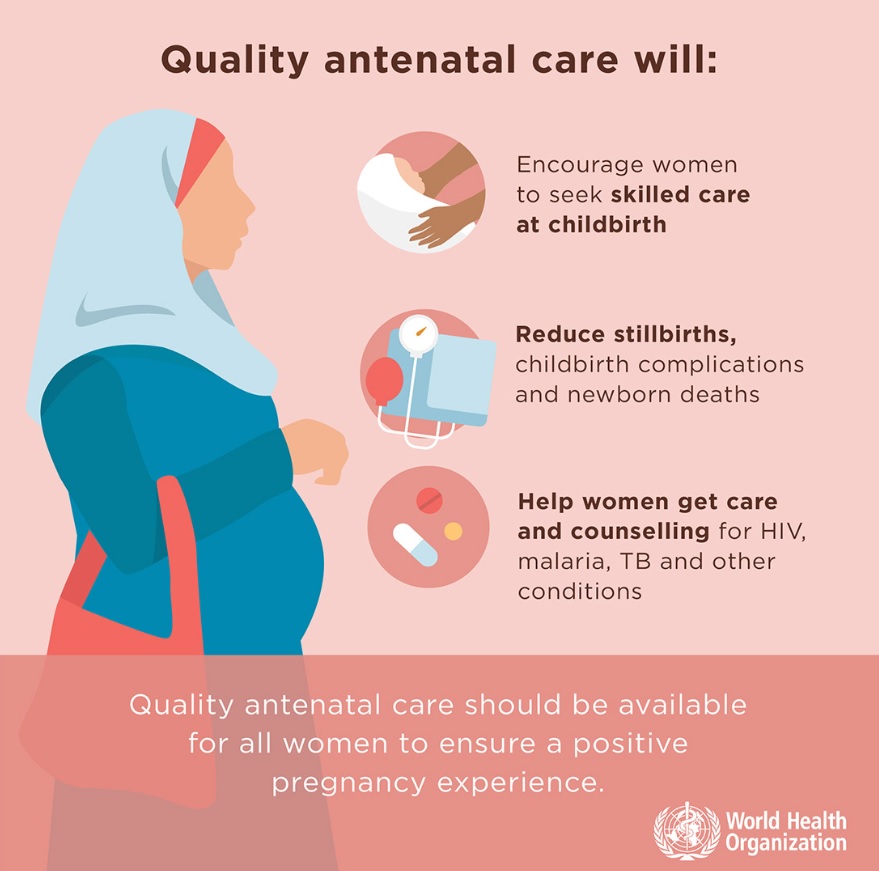
Most maternal deaths are preventable, as the health-care solutions to prevent or manage complications are well known. All women need access to antenatal care in pregnancy, skilled care during childbirth, and care and support in the weeks after childbirth. Maternal health and newborn health are closely linked. It is particularly important that all births are attended by skilled health professionals, as timely management and treatment can make the difference between life and death for both the mother and the baby.
Improving maternal health is one of WHO’s key priorities. WHO works to contribute to the reduction of maternal mortality by increasing research evidence, providing evidence-based clinical and programmatic guidance, setting global standards, and providing technical support to Member States.