Our work in Fiji

Our work in Fiji

The WHO Representative Office in the South Pacific, located in Suva, Fiji, operates under the umbrella of the Western Pacific regional office, and our role is to act as a catalyst and advocate for action at all levels, from local to global, on health issues of public concern.We work together with a range of partners on closely related public health activities; including research, evaluation, awareness raising and resource mobilization.


Country cooperation strategy

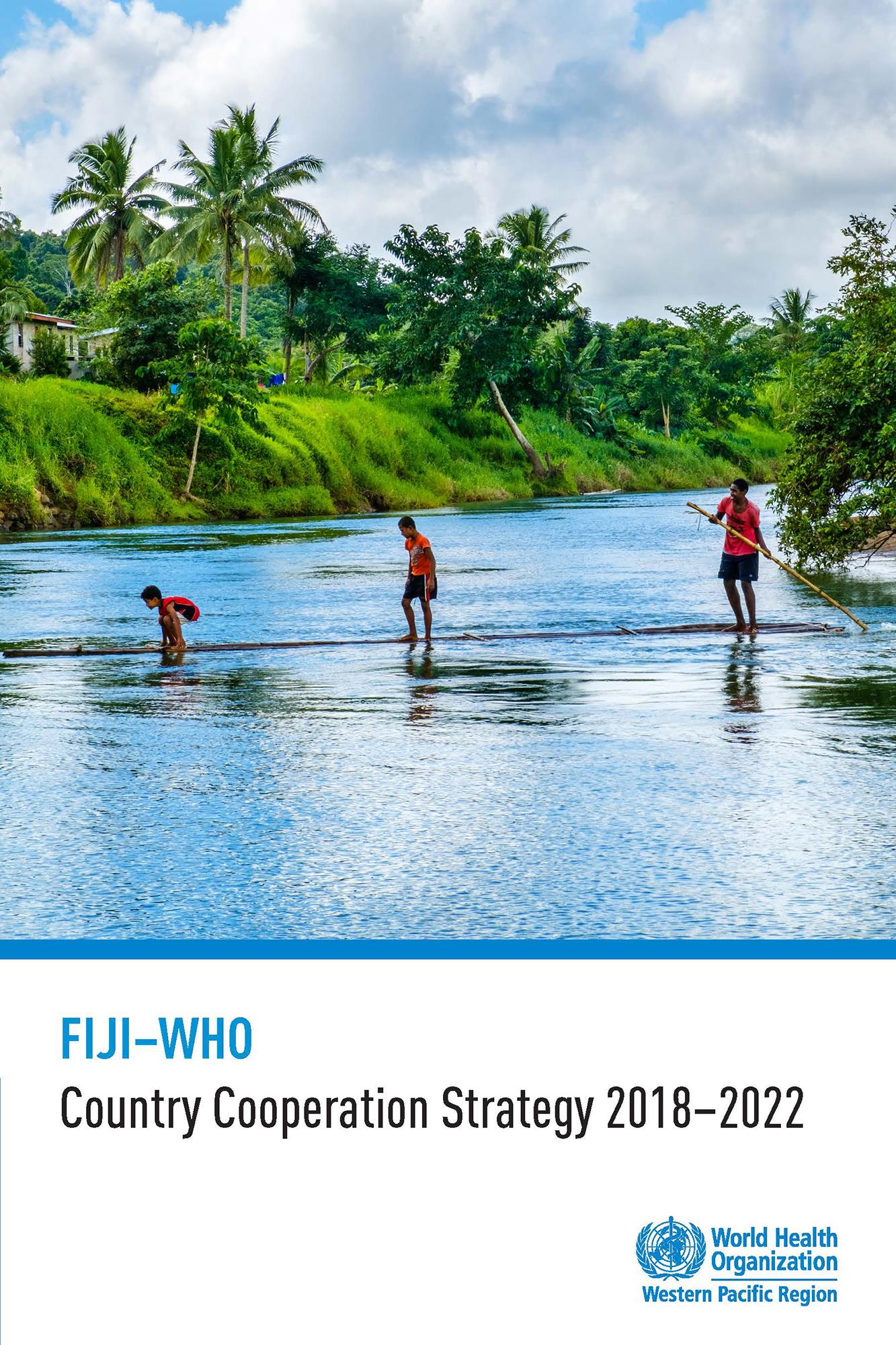
Fiji-WHO Country Cooperation Strategy 2018-2022


The World Health Organization (WHO), working with partners, will supports the Government in pursuing its national strategic priorities. Each strategic activity is linked to at least one of the subregional focus areas that are detailed in the Pacific Island Countries and Areas–WHO Cooperation Strategy 2018–2022.


National health policy

The National Strategic Health Plan 2016–2020 documents the policy priorities that the Ministry of Health and Medical Services has chosen to underpin its strategic direction for health care in Fiji over five years.

The national health plan is regularly monitored through its indicators and targets, including assessment of underperforming areas and required remedial actions.


Fiji-WHO strategic priorities

To achieve the priorities set in the new WHO Global Health Sector Strategies on STI, HIV and Hepatitis, to reduce tuberculosis (TB) and to control multidrug-resistant TB

To ensure that Fiji has achieved national indicators for all NCDs and for nutrition, in line with global targets.

To decrease the service provision gap for mental health, disability and rehabilitation and to prevent and respond to violence and injuries.

To build a robust health system, which ensures universal health coverage and resilience to climate change.

To improve access to essential medicines and health technologies, including traditional and complementary medicines, and to contain antimicrobial resistance.

To ensure that Fiji is able to detect, assess and respond to its common epidemic-prone diseases, and have in place arrangements with regional response partners for early technical assistance and surge capacity in the event of a transnational threat or disaster

To achieve improvements in maternal, newborn, child and adolescent health through a life-course approach and by strengthening the continuum of care, including a focus on achieving global and regional immunization goals.