



-laura-resized.tmb-1920v.jpg?sfvrsn=59aae7a0_1 1920w)
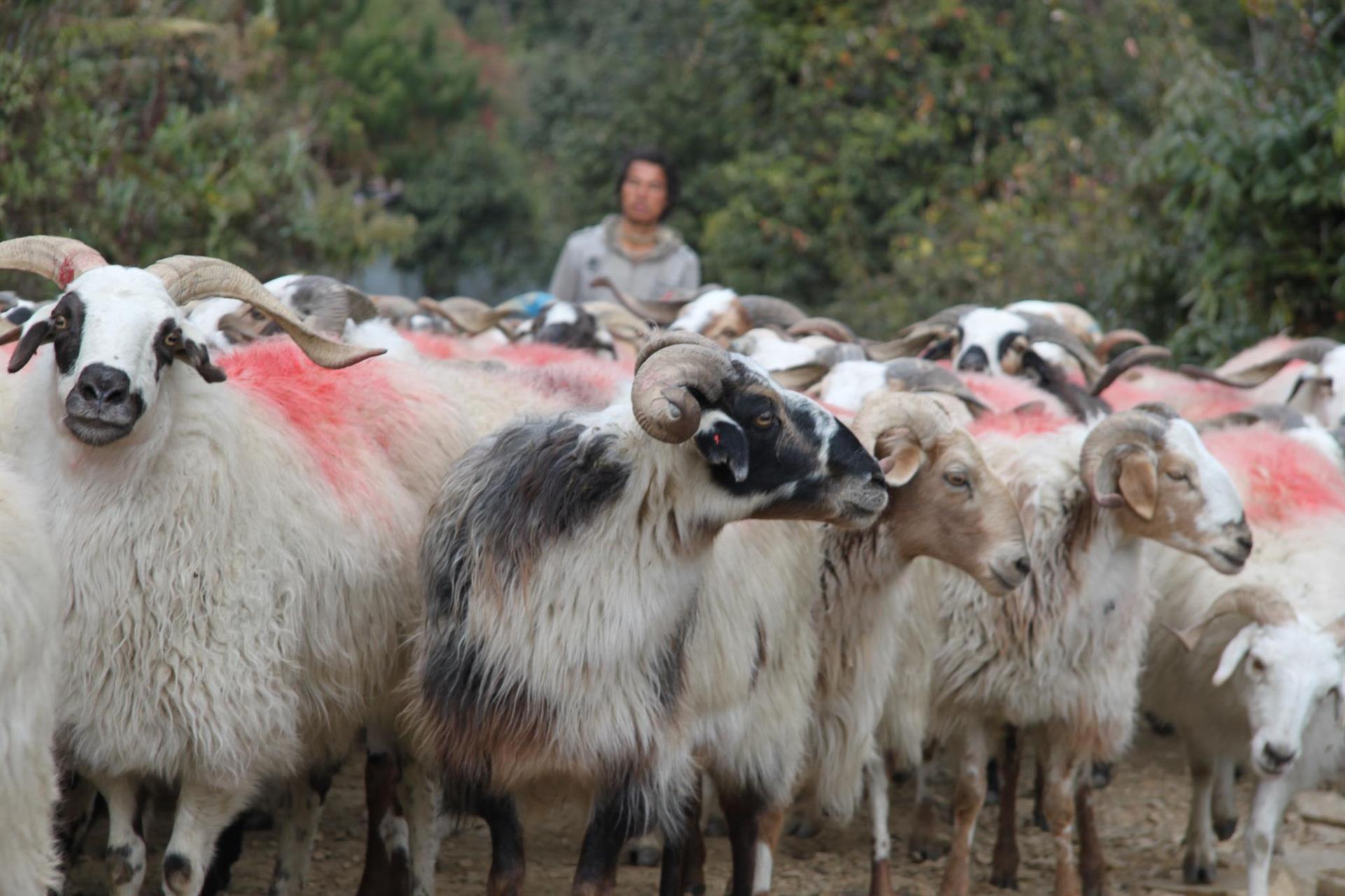
Sheper dog in Mongolia
Working with veterinary and food safety authorities to support the development of echinococcosis control programmes
WHO assists countries to develop and implement pilot projects leading to the validation of effective cystic echinococcosis control strategies. Working with the veterinary and food safety authorities as well as with other sectors is essential to attain the long-term outcomes of reducing the burden of disease and safeguarding the food value chain.
WHO is supporting individual countries to develop their CE control program such as in Mongolia. In 2018, a multidisciplinary stakeholder meeting was convened in Ulaanbaatar to start developing the National Action Plan for control of echinococcosis No significant investment for echinococcosis has been made, and therefore programmatic steps have been progressing slowly but WHO continues to bring the stakeholders together and further actions have been agreed in 2019. WHO has also facilitated the validation of diagnostic tests used for echinococcosis in dogs that is important for surveillance, and create a baseline in Bayankhongor province of Mongolia.
China is integrating echinococcosis prevention, control and treatment in their economic and development plans to raise attention to the vast problem in the country, especially the Tibetan plateau, as well as in the Central Asian Republics.
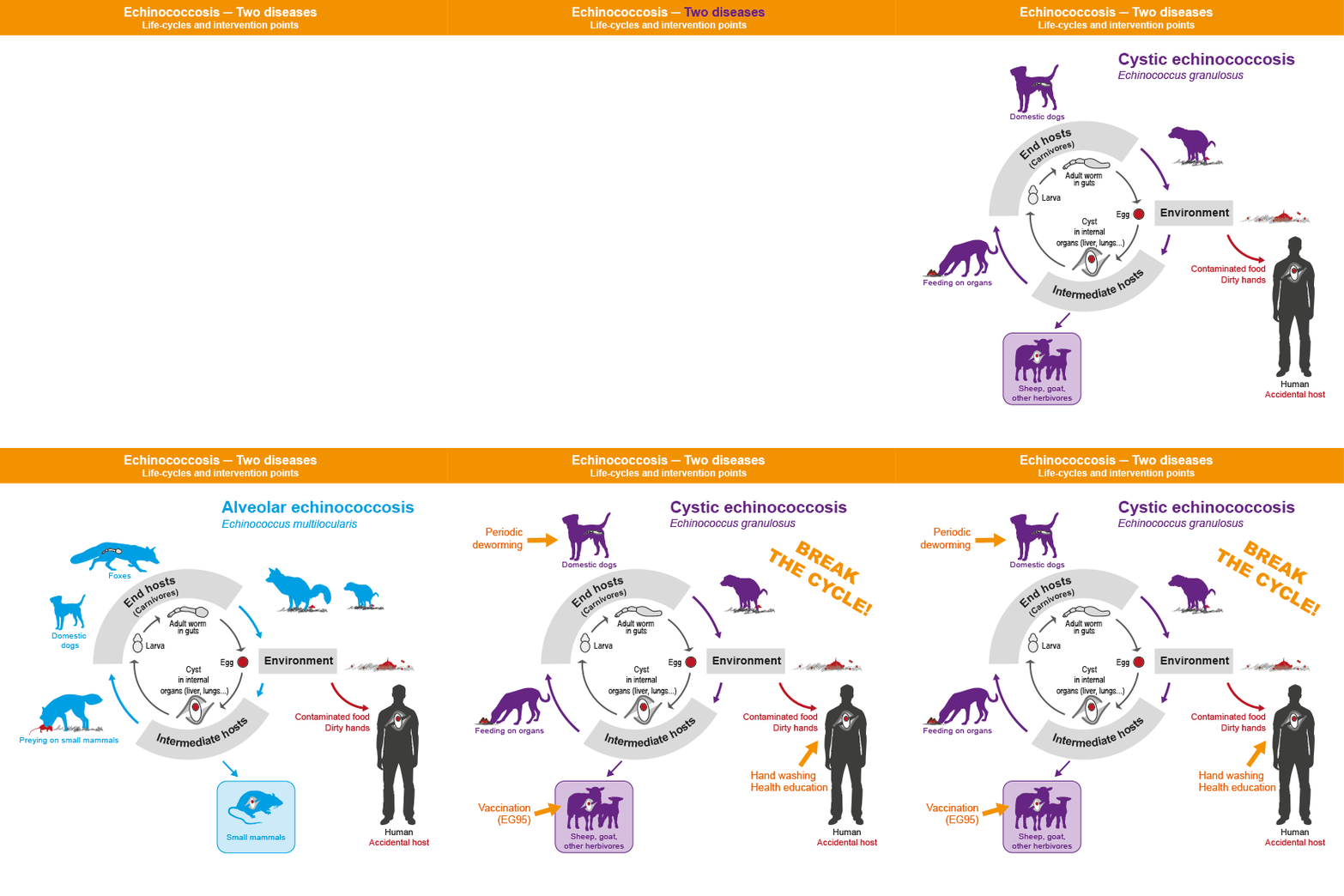
WHO is promoting One-Health approaches, such as the one developed by Dr Larrieu in the Argentinian Patagonia which involves community health workers, dog deworming and sheep vaccination.