
Synergizing human-animal interface in global health security
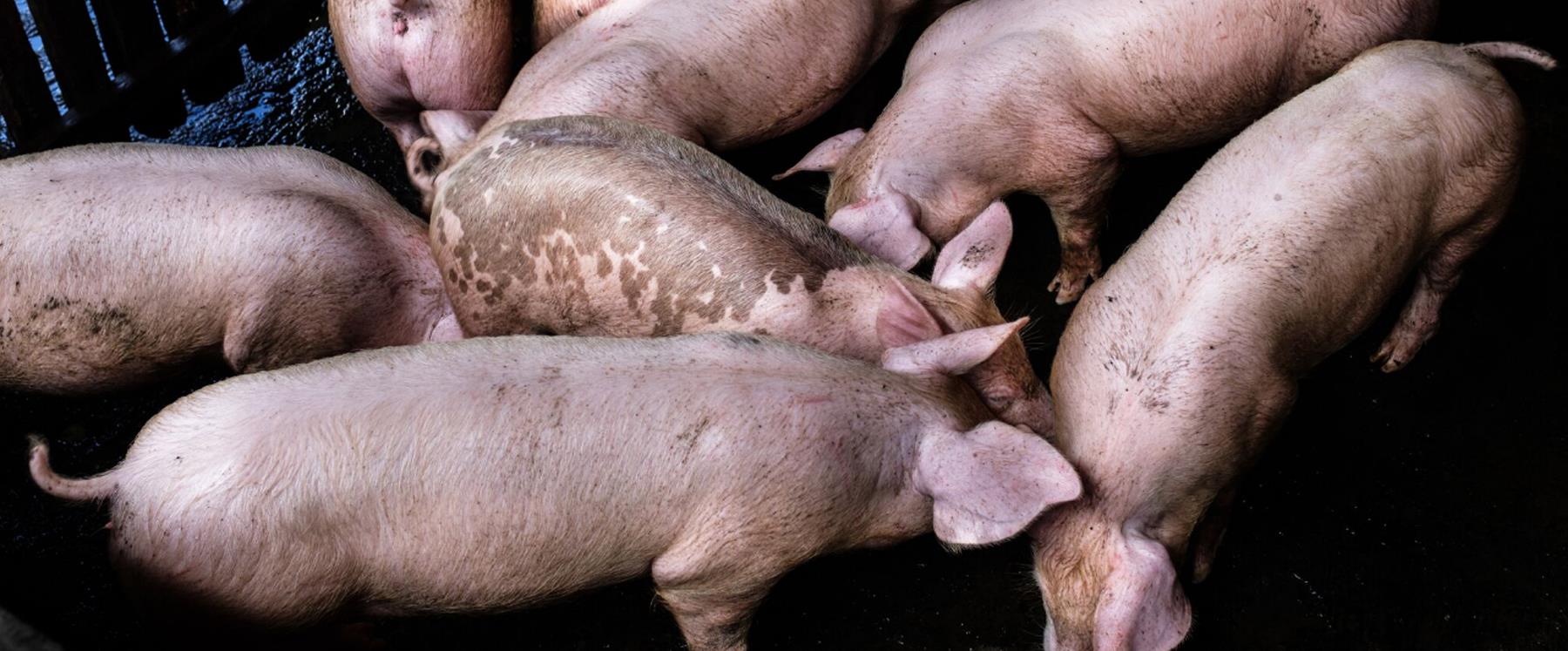
Both animal and human health authorities have a responsibility for controlling zoonoses – diseases transmissible from animals to humans through direct contact or through food, water and the environment. An estimated 75% of emerging pathogens are of zoonotic nature.
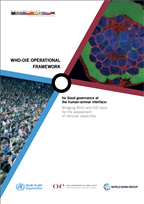
The ability to stop the spread of pathogens relies on the capacity of countries to detect unusual events early and to rapidly implement control measures. WHO, the World Organization for Animal Health (OIE) and the Food and Agriculture Organization of the United Nations (FAO) are working together to strengthen the contribution of the veterinary sector in the implementation of the IHR (2005).
Using tools developed for assessments of capacities in countries, they have developed methods to jointly review the synergies and existing gaps in the coordination between the two sectors and to support countries in the development of roadmaps at the human and animal interface.
WHO works with partners to:
- Foster cross-sectoral collaboration at the human-animal-environment interface among the different relevant sectors at international, regional, and national levels.
- Develop capacity and promote practical, evidence-based, and cost-effective tools and mechanisms for zoonoses prevention, surveillance and detection.
[KC1]This percentage was on the old webpage, but not sure if still accurate.