



Strengthening legal frameworks for UHC
WHO supports member states to develop and implement a conducive legal environment for UHC. It is a critical investment: all countries that have achieved UHC, have built UHC on legal foundations.
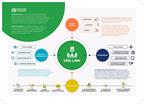
The creation of a formal legal mandate for UHC creates a drive for action and a commitment to work on policies and programs aimed at UHC. To enable cooperation and achieve UHC, people use law to create different organizations (e.g. hospitals) and relationships (e.g. contracts to provide health services). In turn, organizations (e.g. health ministries) have mandates, policies and strategies based on legal rules set by UHC law that guide their work.
Building a conducive legal environment for UHC can be a challenge. There isn’t a standard prescription for the UHC laws a country needs. There are common approaches, but these need to be adapted to country contexts. Plus, many countries struggle to develop and implement an enabling legal environment for UHC if they have low legal and regulatory capacity.
WHO has developed key indicators to guide countries to evaluate the state of their legal frameworks regarding the UHC goal, as well as country case studies to support countries in drawing lessons from other countries’ legal reforms.