


Raising awareness on e-waste and children's health
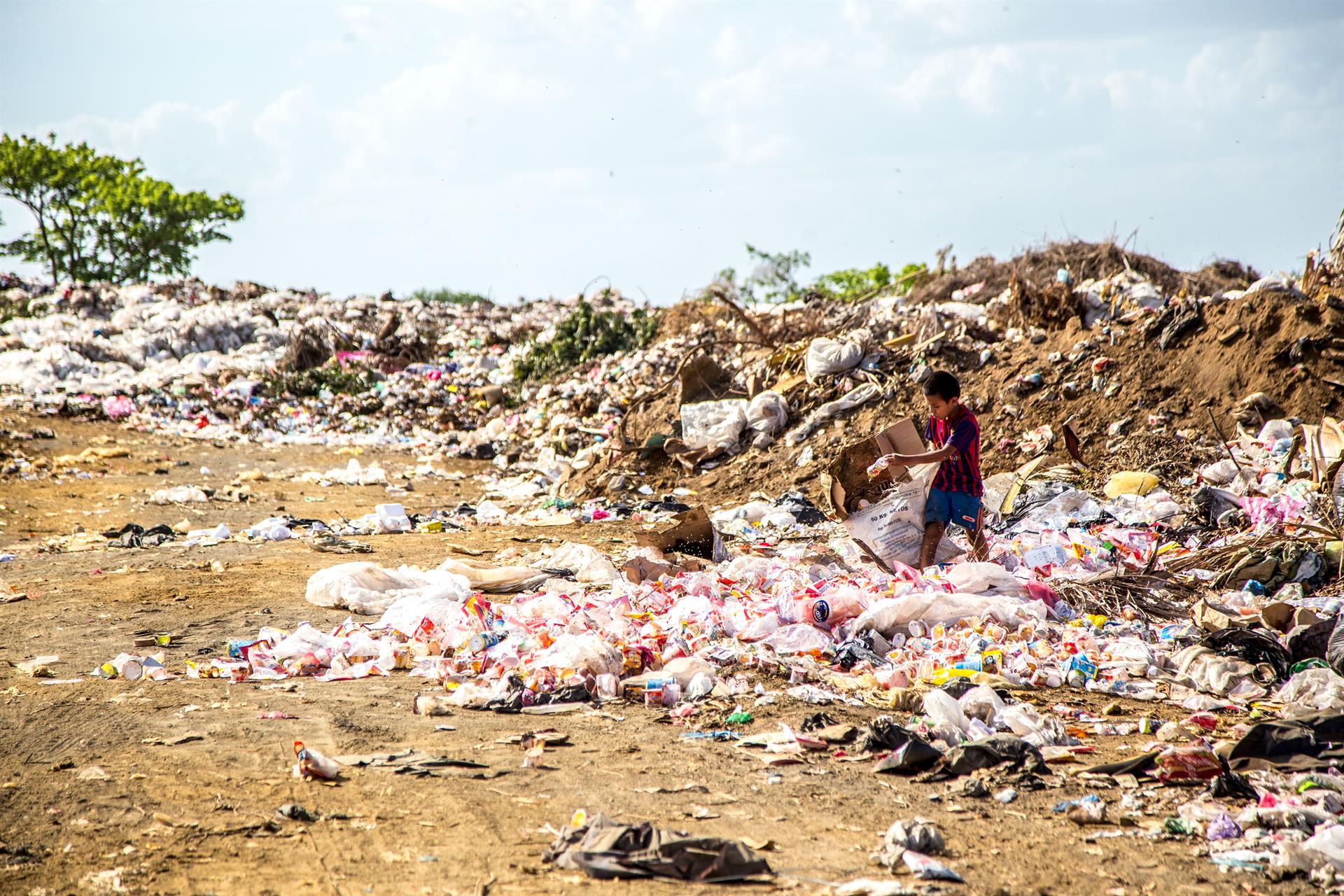
About 45 million tons of e-waste, such as TVs, computers and phones, are created annually and this is increasing. E-waste products contain costly components that are of economic value if they are recycled. However, they also contain potentially hazardous substances that may be released directly into the environment. Other hazardous substances may be formed during the recycling process, especially if this occurs in the ‘informal’ sector where modern industrial processes are not used and where worker protection may be inadequate.
Children are often involved in these processes, exposing them to high quantities toxic chemicals such as lead, mercury, cadmium and dioxins, many of which can produce adverse neurodevelopmental impacts even at very low exposure levels. Children may be exposed in the settings they live in (community exposures) or by working or accompanying their parents to the recycling places.
Several United Nations agencies are working together through an e-waste coalition to address the e-waste challenge. Action by WHO and collaborators both at global and local level include:
• Increasing the evidence and knowledge base;
• Raising awareness and communicating on health impacts, particularly in children;
• Building the capacity of the health sector to better protect children through exposure reduction;
• Promoting monitoring of exposures to e-waste;
• Working with other sectors to implement policies and actions that reduce harmful exposures;
• Advancing specific research about e-waste and related health effects.