



Implementing economic policies on tobacco control
Tobacco use is one of the leading preventable causes of death, killing more than 7 million people every year. More than its enormous toll of disease, suffering, and death, tobacco use also burdens the global economy with an estimated US$ 1.4 trillion in healthcare costs and lost productivity each year.
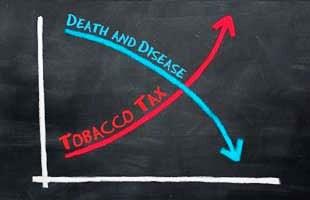
Today, we have a greater understanding of how to reduce the economic and health costs of this deadly epidemic. Such demand reduction policies as higher taxes and comprehensive bans on tobacco marketing and smoking in public places are among the principal cost-effective means to reduce tobacco use and its consequent harms to health and economic development.
"Health, and not economic arguments, are the reason for controlling tobacco, but economic arguments are raised as an obstacle to tobacco control policies," said former WHO Director-General Dr Gro Harlem Brundtland. Indeed, governments have raised concerns that tobacco control measures would have negative economic consequences, specifically by way of: (i) lower tax revenues via reduced demand and increased illicit activities; (ii) decreasing employment in the manufacturing, farming and retail sectors; and (iii) impoverishing smokers with higher prices. Existing evidence from developed countries and emerging data from developing countries show that the economic fears deterring policymakers from taking action are largely unfounded (World Bank, 1999). Despite those fears, approximately 170 countries have shown strong commitment to tobacco control by becoming Parties to the WHO Framework Convention for Tobacco Control and implementing its provisions.