
Building a skilled workforce to respond to emergencies
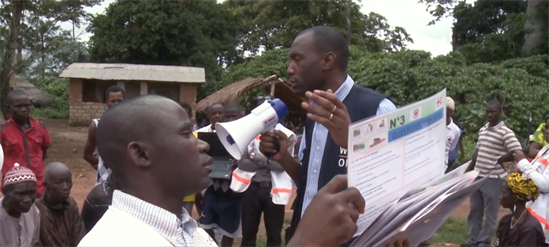
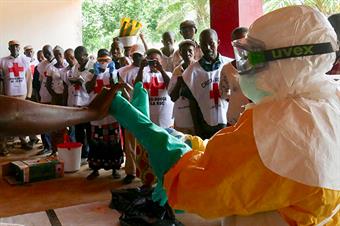
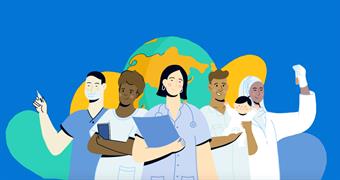
Past crises have taught us that even the most qualified personnel require continued learning to respond safely and effectively to today’s increasing complex health emergencies. We need a ready, willing and able workforce – a workforce for excellence – that can be called upon to help save lives, reduce disease and suffering, and minimize socio-economic loss to affected communities and countries.
WHO’s Health Emergencies Programme prioritizes learning and training as it works to meet the Organization’s ambitious target of ensuring 1 billion people are better protected from health emergencies. In October 2018, the Programme established a new Learning and Capacity Development unit and launched its first-ever learning strategy committed to standardizing and building WHO’s health emergency workforce and surge capacity.
The WHO Emergency Medical Teams (EMT) Initiative also helps organizations and Member States build national capacities and stronger health systems so that countries have the ability to respond promptly when a disaster strikes or an outbreak flares. In addition to face-to-face trainings, WHO’s Health Security Learning Platform (HSLP) and OpenWHO also provides online self-learning packages, which are available to the public.