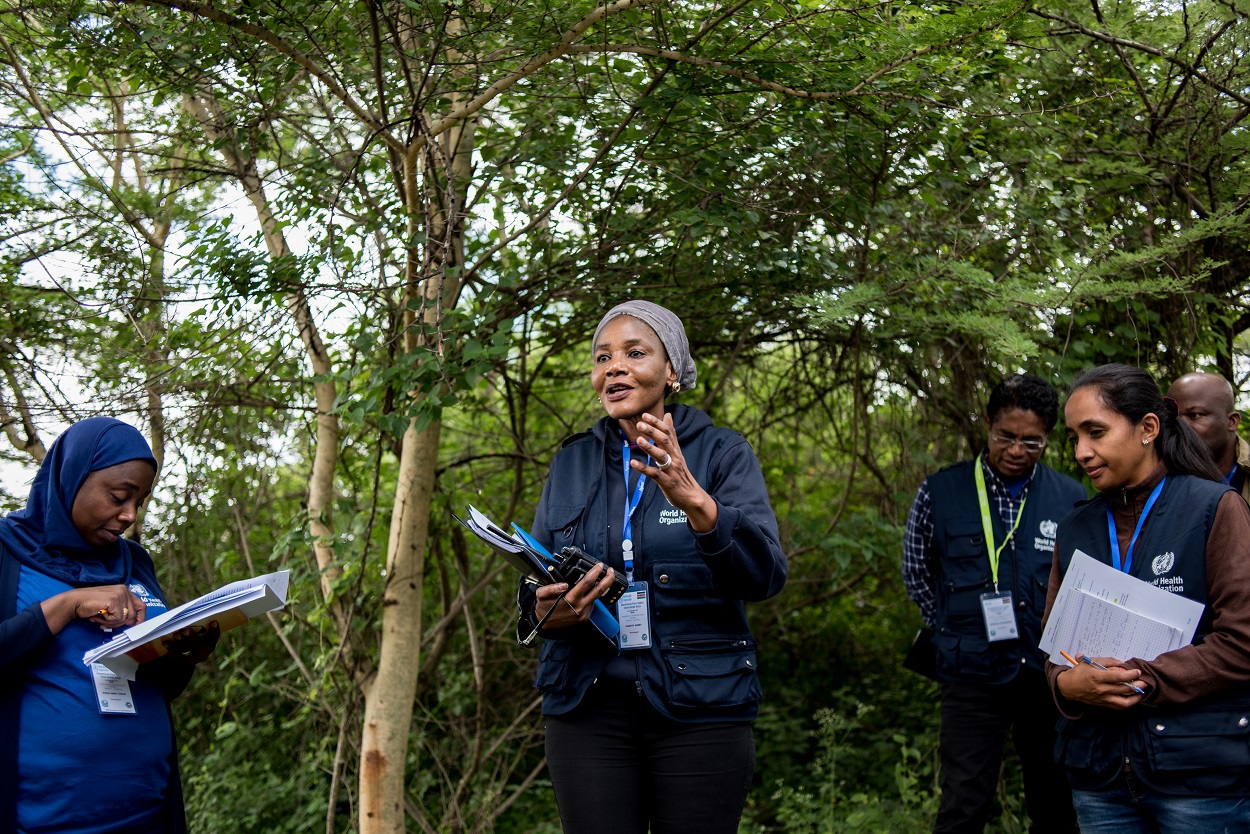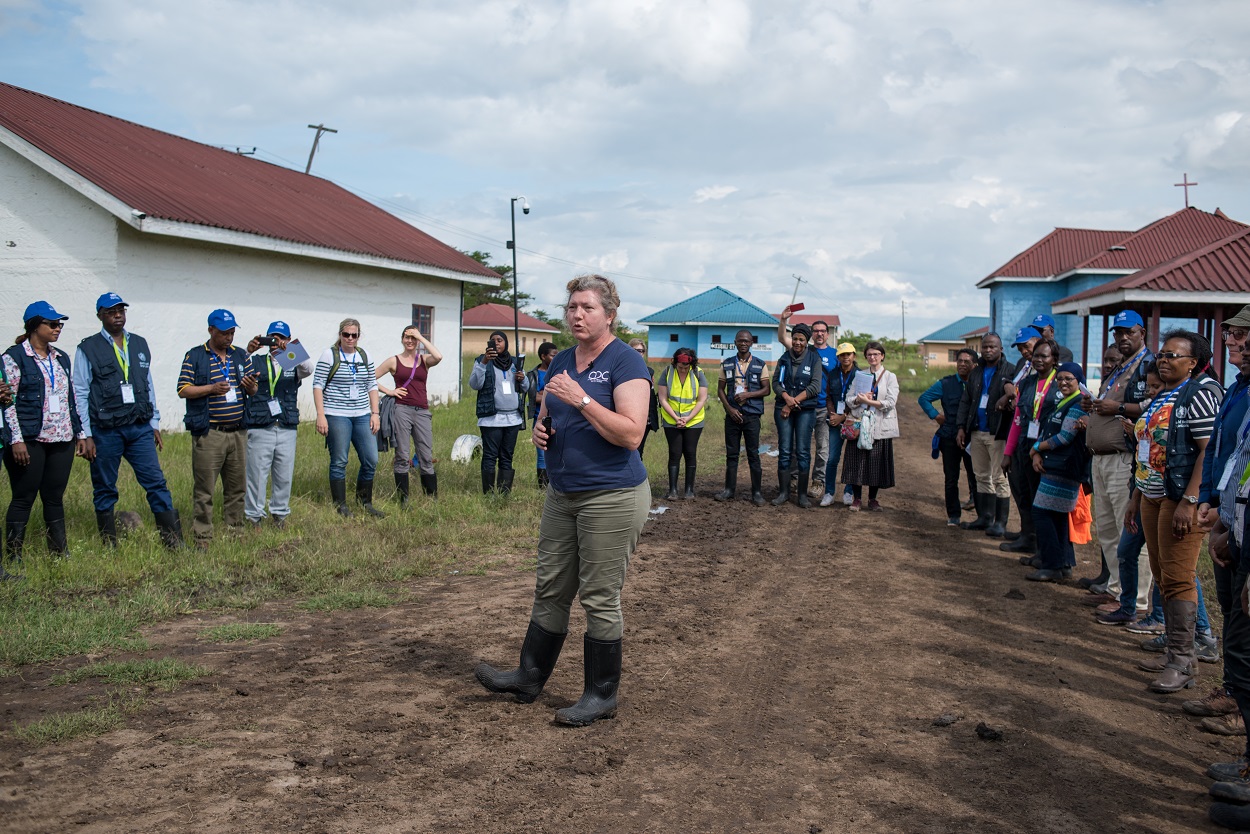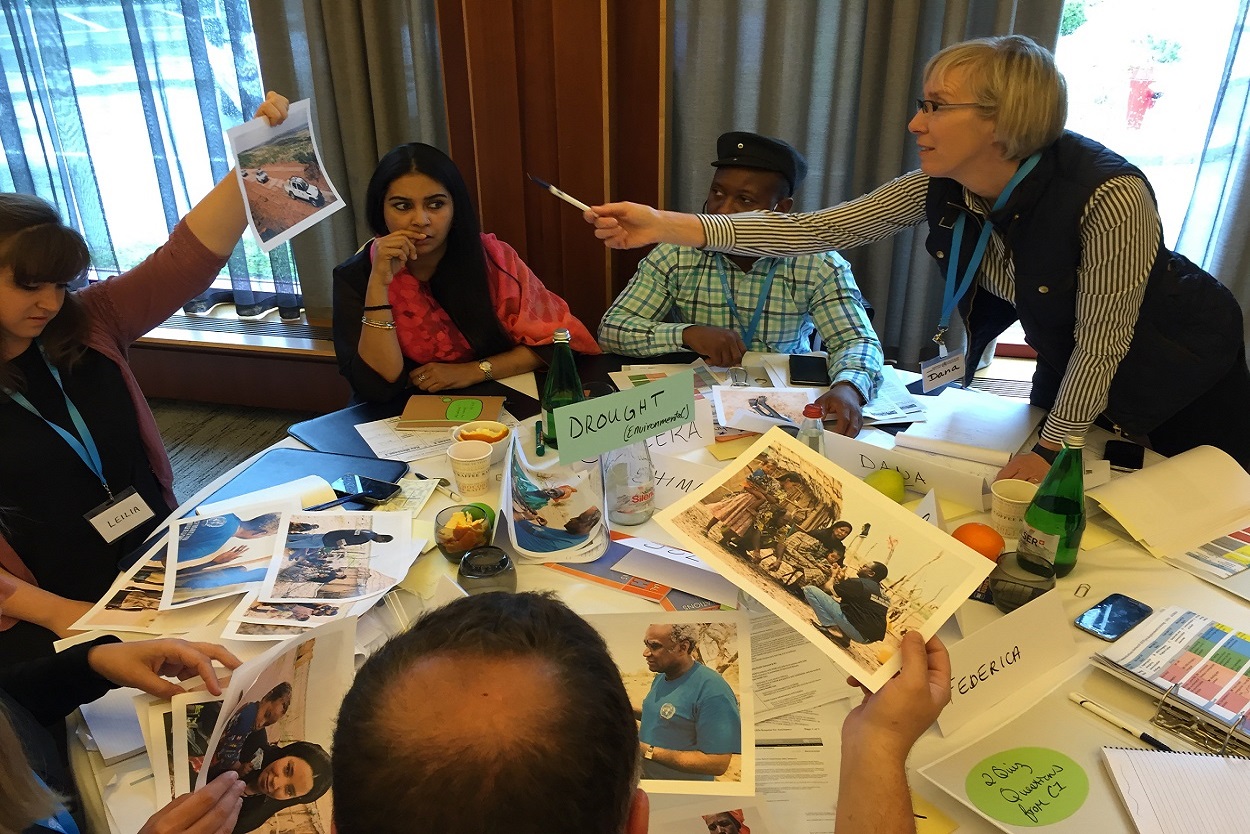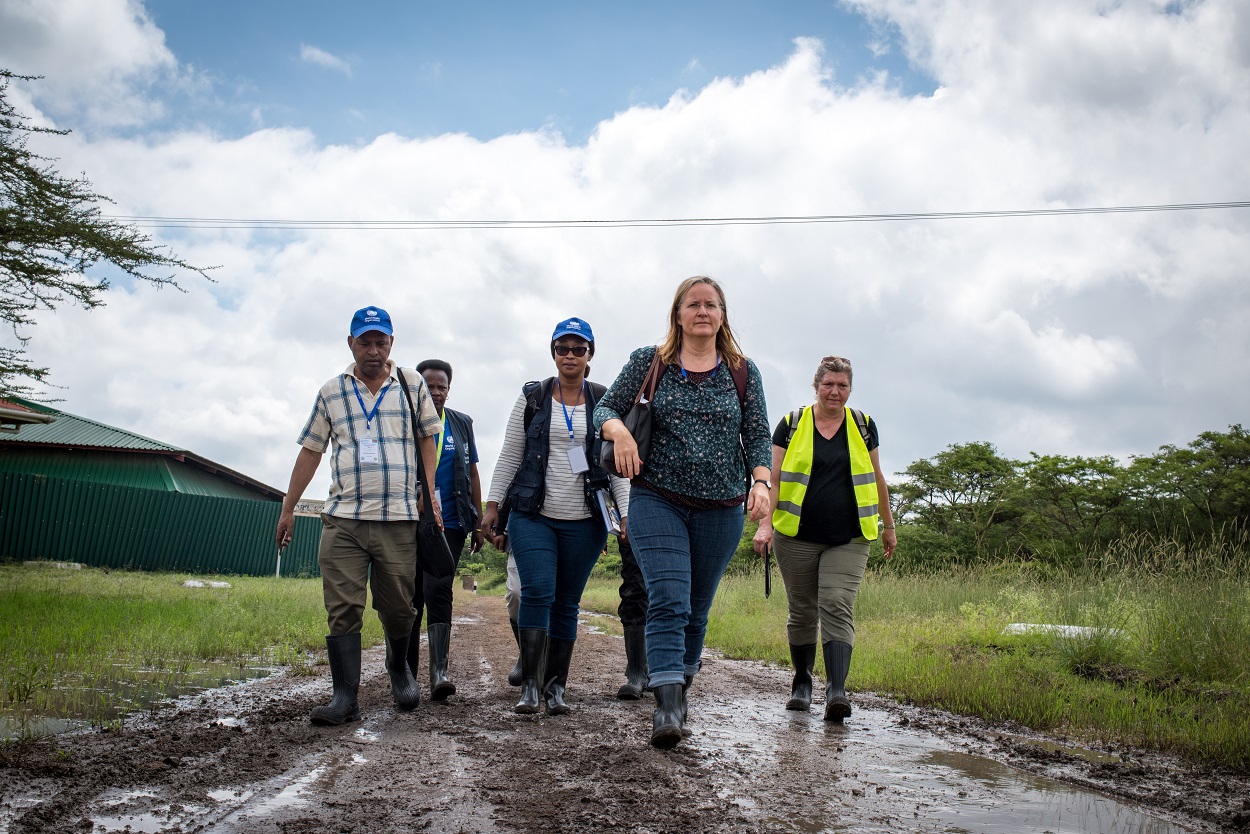



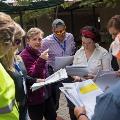
Drafting and testing messages for the community during the SIMEX ECN AFRO 2018
/
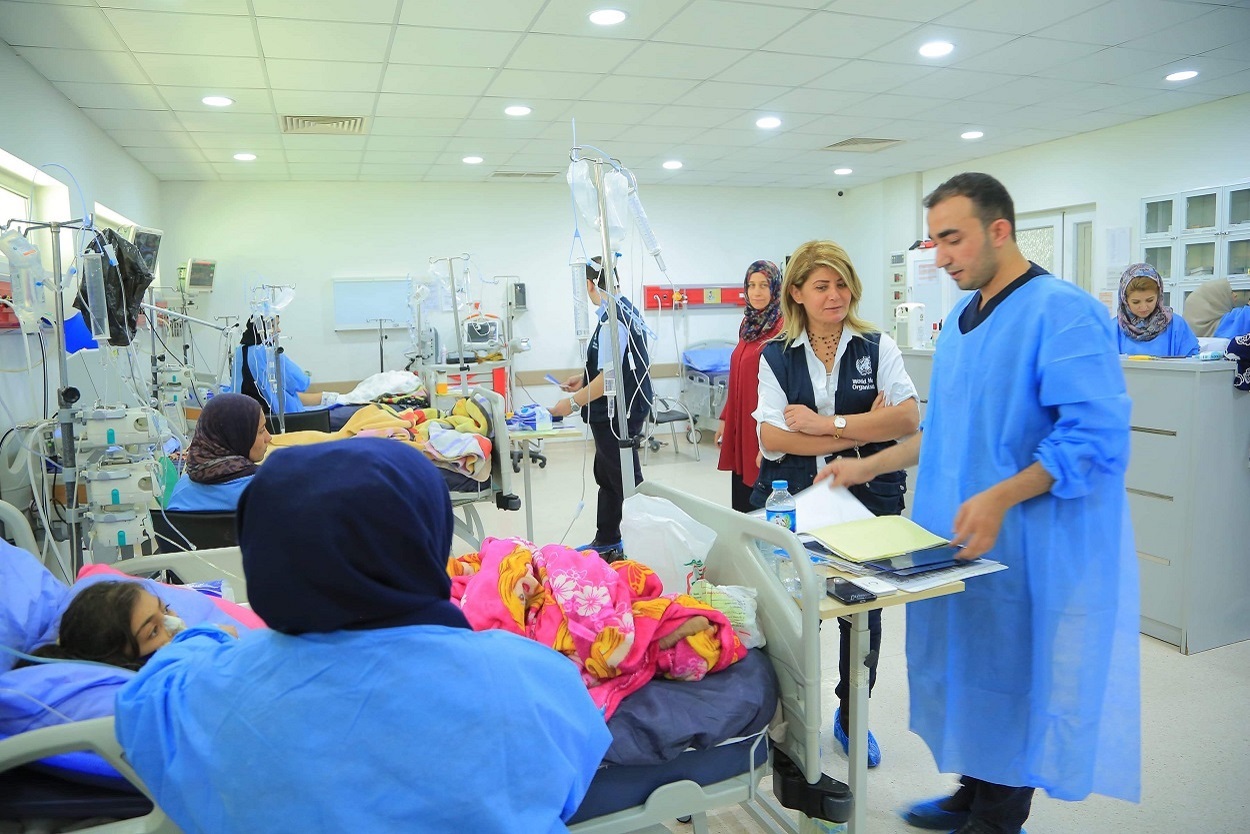
Health emergencies come in many forms and with increasing frequency like disease outbreaks, chemical accidents, radiation leaks, natural disasters and conflicts. They create enormous demands for timely, understandable and actionable communication to provide lifesaving information to affected people, decision-makers, donors and concerned public across the world.
Effective communication helps prevent death, disease and disability and is integral in WHO’s response to public health emergencies and humanitarian crises. The Emergency Communications Network (ECN) training is WHO’s flagship emergency communication training designed to build a cohort of trained, tested and trusted communication officers in WHO, Ministries of Health and partners. ECN builds a reserve health workforce for emergencies.
Established in 2013, the ECN has trained 230 communication officers within WHO and partners. Members of the network have been deployed to emergencies throughout the world including: Bangladesh, Brazil, Central African Republic, the Democratic Republic of the Congo, Fiji, Guinea, Haiti, Iraq, Kuwait, Liberia, Madagascar, Nepal, the Philippines, Saudi Arabia, Senegal, Sierra Leone, Somalia, Syria, Ukraine and Yemen.
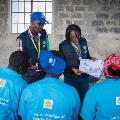
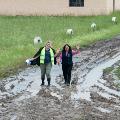
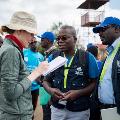
The training is designed to replicate the conditions that communication officers would face during a major health emergency (e.g. long hours, heavy workload, complex and fast evolving situations). It is a five day SIMEX with embedded theory sessions. Participants get to practice what they learn under the mentorship of communication experts.
All components of the training are designed to ensure that communication professionals can effectively inform and engage with key stakeholders including the media, the government, communities, partners and the public.
Photo gallery



What participants and partners say about ECN
"The partnership that ECN has helped to build is incredible! We trained with government, CDC and WHO colleagues. To be able to work together towards the same goal during ECN was invaluable."
Charity Warigon
Communications Officer, WHO Country Office
Nigeria
"We've been participating in ECN since 2014 by sending one or two CDC staff, and so this year, it’s very exciting to be able to collaborate, co-fund and send facilitators to be able to help with the training."
Donda Hansen"ECN was the best training experience of my career. It confirmed my strengths, but more importantly, it fostered new skills and forced me to confront areas I avoid. The simulation exercise pulled everything together and brought about an awareness of the importance of security. It also revealed an emotional connection to my team that I did not expect from working with a group for less than two weeks. ECN is more than a training exercise, it is an emergency communication mindset."
Dana Pitts
Associate Director of Communication Science
Office of Public Health Scientific Services
US Centers for Disease Control and Prevention
"ECN training is very demanding and really pushes you to the limit. I really liked the format; it was really practical, it was a fantastic experience. I learned a lot; coming together with this diverse group with various experience, so everybody is an expert in different field.
I can only recommend this intense training to everyone who wants to be deployed."
Karen Gosch
Coordinator and Technical Advisor, Risk Communications
GIZ, Burkina Faso