

Newborn health
WHO/Yoshi Shimizu
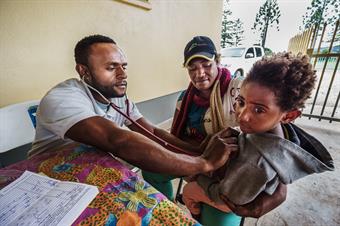
Counseling mother on appropriate care practices (breastfeeding) for newborns, at Health Clinic Precinct 9
© Credits
Newborn health

Newborn health in the Western Pacific

A newborn infant, or neonate, is a child under 28 days of age. During these first 28 days of life, the child is at highest risk of dying. The vast majority of newborn deaths take place in developing countries where access to health care is low.  

Promoting child survival requires building strong health services, ensuring that every birth is attended by skilled personnel and making hospital care available for emergencies. It is  crucial that early and exclusive breastfeeding is provided. It is also essential that appropriate feeding and care are provided during this period, both to improve the child’s chances of survival and to lay the foundations for a healthy life.

WHO/Yoshi Shimizu
Maternal and Child Health Care at the Berakas Health Centre
© Credits

Did you know?

Preterm birth complications are the leading cause of death among children under 5 years of age, responsible for approximately 1 million deaths in 2015.


WHO/Yoshi Shimizu
A special visiting area at the Raja Isteri Pengiran Anak Saleha Hospital. Family members of babies in critical conditions can visit their babies through a monitor.
© Credits

Three quarters

Three quarters of these deaths could be prevented with current, cost-effective interventions


WHO/Yoshi Shimizu
Lee Lor, 15 years old, gave a birth to a premature baby (son) while she was working in the field with her husband, Koryang,19 year and her mother in law. They brought the baby to the hospital in Vientiane by motorcycle.
© Credits

15 million babies

Every year, an estimated 15 million babies are born preterm (before 37 completed weeks of gestation), and this number is rising.


WHO/Yoshi Shimizu
Mother and her newborn baby during a home visit in Benguet, Philippines
© Credits

75% of newborns

In Western Pacific Region, 75% of newborns are now receiving the First Embrace, with 57% of these babies remaining in skin-to-skin contact until completion of the first breastfeed. 4 million babies have now been reached with improved care.


-