




Human papillomavirus (HPV) in Western Pacific
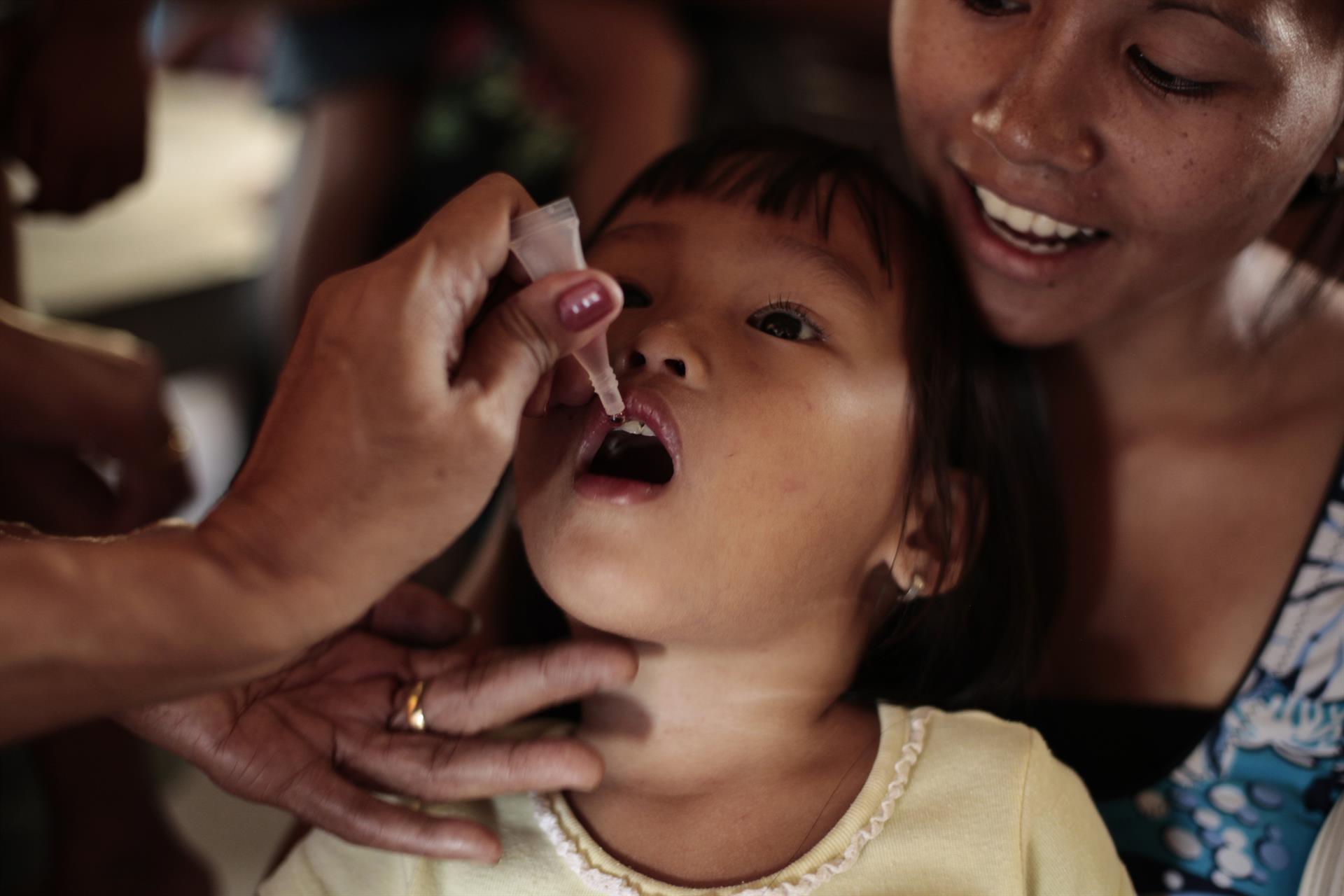
Human papillomavirus (HPV) is the most common viral infection of the reproductive tract. HPV is sexually transmitted, and most sexually active women and men will be infected at some point in their lives and some may be repeatedly infected. There are many types of HPV, and many do not cause symptoms. HPV infections usually clear up without any intervention within a few months, and about 90% clear within two years. A small proportion of infections with certain types of HPV can persist and progress to cancer. Cervical cancer is by far the most common HPV-related disease. Nearly all cases of cervical cancer can be attributable to HPV infection. WHO recommends vaccination for girls aged 9-13 years as this is the most cost-effective public health measure against cervical cancer.
Technical links