HIV/AIDS remains one of the world's most significant public health challenges, particularly in low- and middle-income countries.
As a result of recent advances in access to antiretroviral therapy (ART), HIV-positive people now live longer and healthier lives. In addition, it has been confirmed that ART prevents onward transmission of HIV.
An estimated 23.3 million people were receiving HIV treatment in 2018. However, globally, only 62% of the 37.9 million people living with HIV in 2018 were receiving ART.
Progress has also been made in preventing and eliminating mother-to-child transmission and keeping mothers alive. In 2018, 8 out of 10 pregnant women living with HIV, or 1.1 million women, received antiretrovirals (ARVs).
WHO has released a set of normative guidelines and provides support to countries in formulating and implementing policies and programmes to improve and scale up HIV prevention, treatment, care and support services for all people in need.
This fact file provides current data on the disease, and ways to prevent and treat it.
Infection results in the progressive deterioration of the immune system, breaking down the body's ability to fend off some infections and other diseases. AIDS (Acquired immune deficiency syndrome) refers to the most advanced stages of HIV infection, defined by the occurrence of any of more than 20 opportunistic infections or related cancers.
HIV can be transmitted through:
Globally, an estimated 37.9 million (32.7–44.0 million) people were living with HIV in 2018, and 1.7 million (1.3–2.2 million) of these were children. The vast majority of people living with HIV are in low- and middle-income countries. An estimated 1.7 million (1.4–2.3 million) people were newly infected with HIV in 2018. An estimated 32 million people have died from HIV-related causes so far, including 770 000 (570 000–1.1 million) in 2018.
Key ways to prevent HIV transmission:
If the reproduction of HIV stops, then the body's immune cells are able to live longer and provide the body with protection from infections. Effective ART results in a reduction in viral load, the amount of virus in the body, greatly reducing the risk of transmitting the virus sexual partners. If the HIV positive partner in a couple is on effective ART, the likelihood of sexual transmission to the HIV-negative partner can be reduced by as much as 96%. Expanding coverage of HIV treatment contributes to HIV prevention efforts.
Of these, almost 21.5 million lived in low- and middle-income countries. In 2016, WHO released the second edition of the "Consolidated guidelines on the use of antiretroviral drugs for treating and preventing HIV infection.” These guidelines present several new recommendations, including the recommendation to provide lifelong ART to all children, adolescents and adults, including all pregnant and breastfeeding women living with HIV, regardless of CD4 cell count as soon as possible after diagnosis. WHO has also expanded earlier recommendations to offer pre-exposure prophylaxis of HIV (PrEP) to selected people at substantial risk of acquiring HIV. Alternative first-line treatment regimens are also recommended.
Access to HIV testing and medicines should be dramatically accelerated in order to reach the goal of ending AIDS by 2030. HIV testing reach is still limited, as an estimated 21% of people with HIV or 8.1 million people remain undiagnosed and don't know their infection status. WHO is recommending innovative HIV-self-testing and partner notification approaches to increase HIV testing services among undiagnosed people.
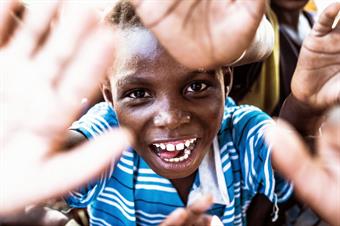
According to 2018 figures most of these children live in sub-Saharan Africa and were infected through transmission from their HIV-positive mothers during pregnancy, childbirth or breastfeeding. Close to 160 000 children (110 000–260 000) became newly infected with HIV in 2018 globally.
Access to preventive interventions remains limited in many low- and middle-income countries. But progress has been made in some areas such as prevention of mother-to-child transmission of HIV and keeping mothers alive. In 2018, 8 out of 10 pregnant women living with HIV – 1.1 million women – received antiretrovirals worldwide. In 2015, Cuba was the first country declared by WHO as having eliminated mother-to-child transmission of HIV and syphilis. By end 2018, 8 WHO Member States were validated for eliminating mother-to-child HIV.
In 2017, an estimated 9% of the 10 million people who developed TB worldwide were HIV-positive. In the same year approximately 300 000 deaths from tuberculosis occurred among people living with HIV. The WHO African Region accounted for 84% of the estimated number of HIV-related TB deaths.