Why urban health matters

/

/

/

/

TimJ-Unsplash

/

/

/

/

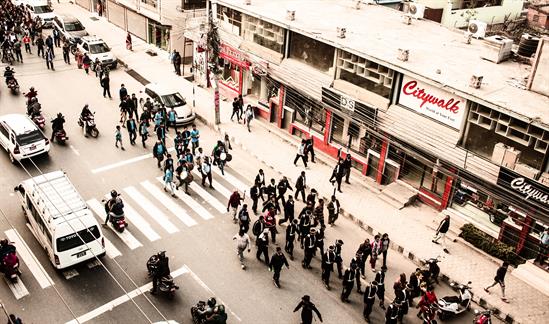
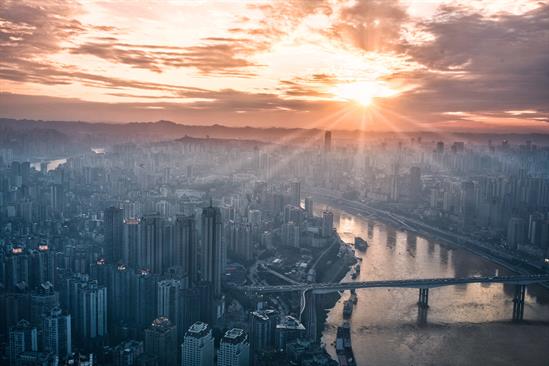
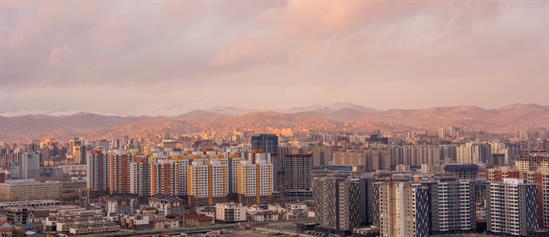
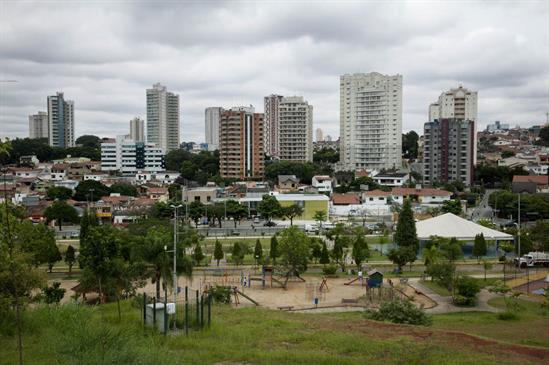
For the first time in human history, the majority of the world’s population lives in cities. This trend will continue. By 2030, six out of 10 people will be city dwellers, rising to seven out of 10 people by 2050. Urbanization is here to stay.

WHO /Anna Kari

/

Although cities provide great opportunities for individuals and families to prosper, city dwellers face many health challenges. The rapid increase in the number of urban inhabitants will be among the most important global health issues of the 21st century.

WHO /Diego Rodriguez

/

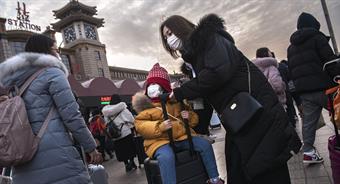
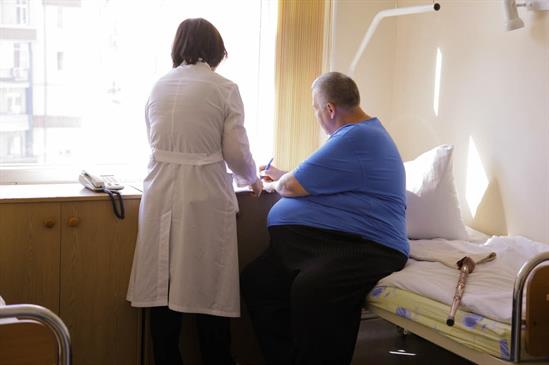
Urbanization is associated with many health challenges related to water, environment, violence and injury, noncommunicable diseases and their risk factors like tobacco use, unhealthy diets, physical inactivity, harmful use of alcohol as well as risks associated with disease outbreaks.

WHO /Sergey Volkov
/

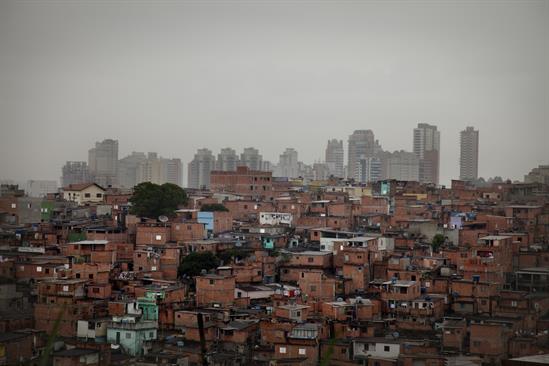
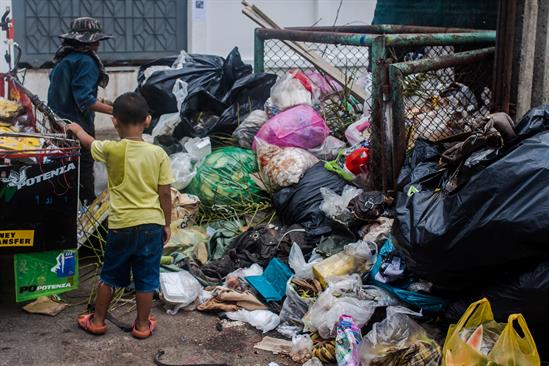
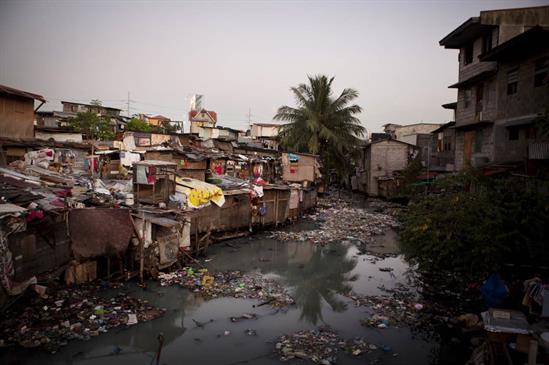
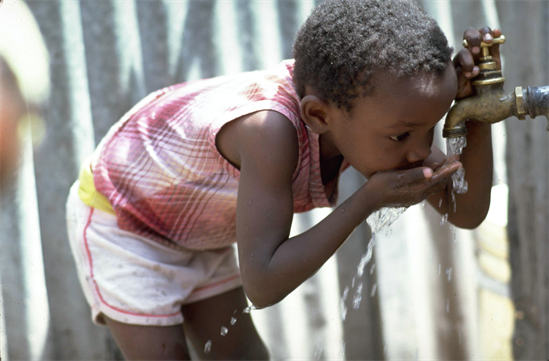
Differences in peoples' health exist in all cities, but the urban poor suffer disproportionately from a wide range of diseases and health problems. An increasing number of the urban poor lack access to basic public services, such as access to safe water, sanitation, and health services. Population growth and urbanization in many cities has outpaced the development of infrastructure and responsible environmental management.

WHO /Anna Kari

/

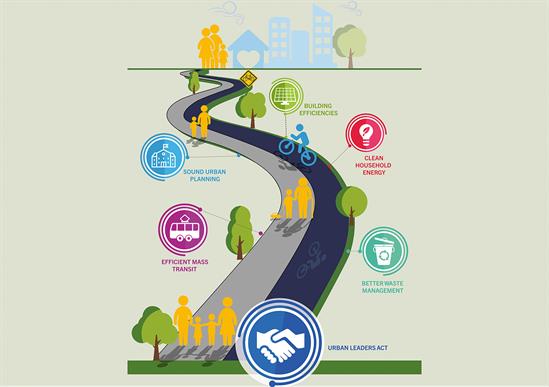
However, actions and solutions exist to tackle the root causes of urban health challenges. The following slides, describe five solutions that can promote healthy urban living.

Unsplash/E.Aguirre

/

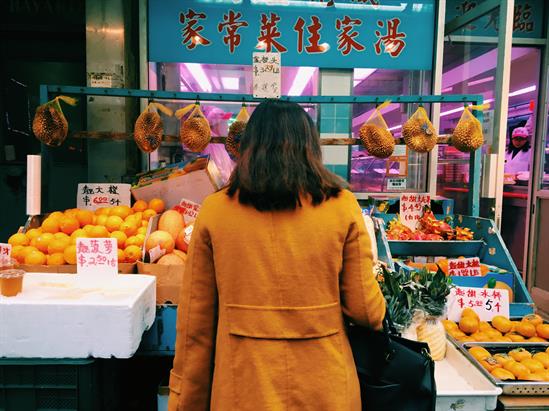
Use urban planning to promote healthy behaviours and safety: design cities to promote physical activity, make healthy food available and affordable, provide health services for all, improve road safety.

WHO /Anna Kari

/

Improve urban living conditions: locate houses in safe places, improve housing conditions, control indoor and outdoor pollution, ensure safe water and improved sanitation.

WHO/PAHO/C. Gaggero

/

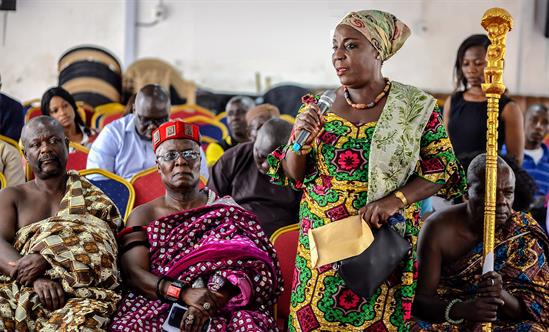
Ensure participatory urban governance: share information about city planning for health, encourage public dialogue, involve communities in decision-making, create opportunities for participation.

WHO/AFRO

/

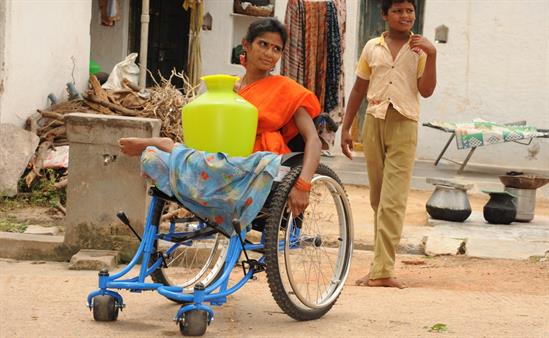
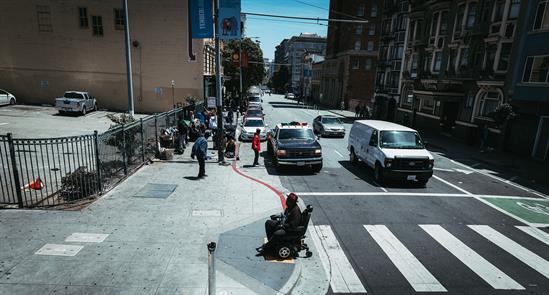
Build inclusive cities that are accessible and age-friendly: make public transport accessible to disabled people, develop safe walkways for those with special needs, build public places and buildings for easy access, promote active city life and sports for all.

Unsplash/J. Coleman

/

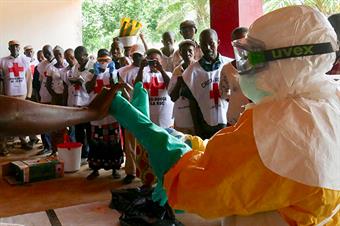
Make urban areas resilient to emergencies and disasters: locate hospitals in safe areas, strengthen health centres to withstand known dangers, prepare community emergency response, improve disease surveillance.

WHO /Eduardo Soteras Jalil

/

We are at a clear turning point moving towards an increasingly urbanized world and with it comes the need to address the potential health consequences. We should take action now, to ensure that growing cities are healthy cities.

EPA/Roman Pilipey

/

WHO/SEARO /Anubhav Das

/
guidance_and_tools
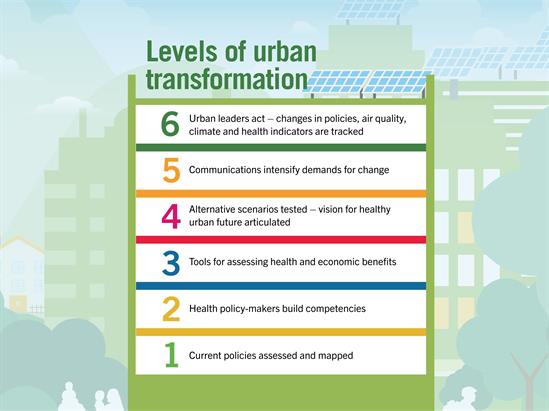
Levels of urban transformation_hr
sabin-basnet-mnP1L3mwZ1M-unsplash
the-roaming-platypus-310824 urban cityscape
UHI_carousel3_310x200px
UHI_model_process_image1_landscape_hr
Ulaanbaatar Mongolia - adli-wahid-1142314-unsplash
poverty area, Brazil
Children`s Environmental Health in Thailand
Noncommunicable diseases and physical activity in Russia
poverty area, houses and waste product, Philippines
lady in front of a fruit shop
urban-health6-WHO_019284
child  at a water supply, Jamaica
urban-health8-Accra-stakeholders-meeting-KBY_1403-optimized
crossroads for handicaped people
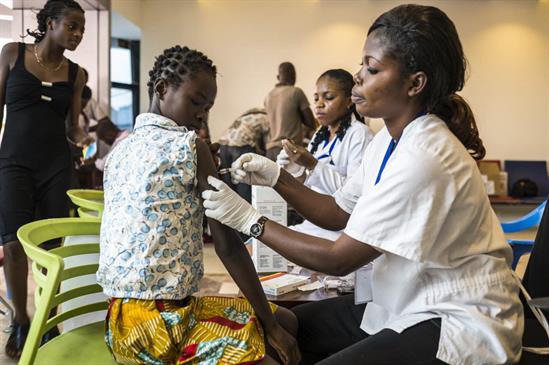
yellow fever vaccination campaign, Democratic Republic of the Congo
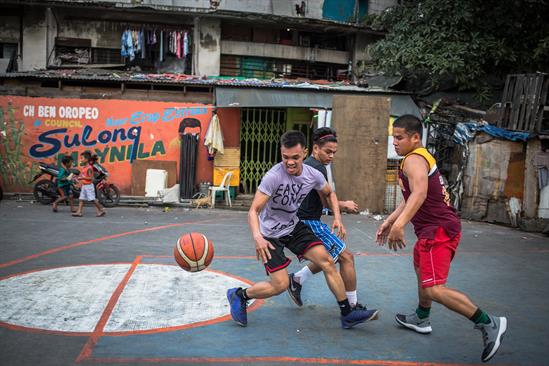
boys playing basketbaall, slums in Manila, Philippines