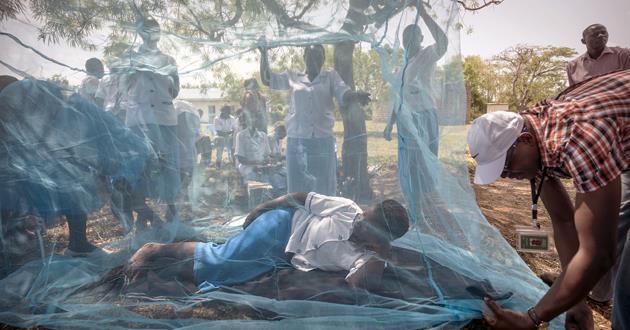
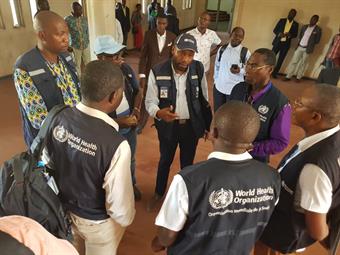
Nurses have many roles: they provide and manage personal care and treatment, work with families and communities, and play a central part in public health and controlling disease and infection.
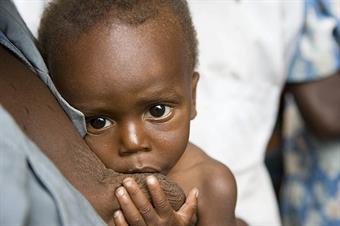
Nurses are often the first and sometimes the only health professional that people see and the quality of their initial assessment, care and treatment is vital. They are also part of their local community – sharing its culture, strengths and vulnerabilities – and can shape and deliver effective interventions to meet the needs of patients,families and communities.
WHO response
WHO’s work relating to nursing and midwifery is currently directed by World Health Assembly resolution WHA64.7 (2011) which calls on WHO Member States and WHO to strengthen nursing and midwifery through a host of measures, including engaging the expertise of nurses and including them in the development of human resources for health policies.
The Global strategic directions for strengthening nursing and midwifery 2016–2020provides a framework for WHO and key stakeholders to develop, implement and evaluate nursing and midwifery accomplishments to ensure accessible, acceptable, quality, and safe nursing and midwifery interventions. It sets out four broad themes to guide the contributions of the nursing and midwifery workforce to improve global health:
- ensuring an educated, competent and motivated workforce within effective and responsive health systems at all levels and in different settings;
- optimizing policy development, effective leadership, management and governance;
- maximizing the capacities and potential of nurses and midwives through professional collaborative partnerships, education and continuing professional development; and
- mobilizing political will to invest in building effective evidence-based nursing and midwifery workforce development
WHO engages ministries of health, government chief nursing and midwifery officers and other relevant stakeholders to enable effective planning, coordination and management of nursing and midwifery programmes in countries. The Global Forum for the Government Chief Nurses and Midwives (GCNMOs), established in 2004, is organized by WHO and meets every two years. It is a Forum for senior nursing and midwifery officials to develop and inform areas of shared interest. WHO also engages with academic institutions specialised in nursing and midwifery. Forty-three academic centres are designated as Collaborating Centres for Nursing and Midwifery with WHO. The academic centres are affiliated to the Global Network of WHO Collaborating Centres for Nursing and Midwifery.
WHO has also established the Global Health Workforce Network (GHWN), a mechanism for intersectoral and multistakeholder engagement, to advance implementation of the Global strategy on human resources for health: Workforce 2030 and the recommendations of the UN High Level Commission on Health Employment and Economic Growth. The leadership, education, gender and youth hubs of the GHWN platform work on priority issues that are of particular relevance to nursing.
WHO is a collaborating partner in the Nursing Now campaign, launched in early 2018. The 3-year campaign aims to improve health globally by raising the status and profile of nursing, demonstrating what more can be achieved by a strengthened nursing profession, and enabling nurses to maximize their contribution to achieving universal health coverage.
A 2017 Report on the history of nursing and midwifery in the World Health Organization 1948–2017, demonstrates how WHO, since its inception, has endeavoured to give this workforce a voice, and highlights the critical role nurses will play in improving health outcomes in the coming years.