

Publications
1 January 2019
Health emergency and disaster risk management framework
Emergencies and disasters take a profound toll on people’s health, often well after the headlines fade. Every year, over 170 million people will...

3 May 2013
Pandemic Influenza Risk Management
Influenza pandemics are unpredictable but recurring events that can have consequences on human health and economic well-being worldwide. Advance planning...

1 January 2012
Rapid risk assessment of acute public health events
This manual has been developed to guide rapid risk assessment of acute public health risks from any type of hazard in response to requests from Member...

10 May 2011
Disaster Risk Management for Health
Disasters and other emergencies often result in significant impacts on people’s health, including the loss of many lives. Every new threat reveals...
5 March 2010
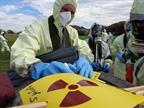
WHO human health risk assessment toolkit
The production and use of chemicals are increasing worldwide. For example, the global output of chemicals increased approximately 10-fold between 1970...
15 September 2009
Handbook on monitoring and evaluation of human resources for health
The latest medicine and the newest technologies can have little impact on human health unless there are systems in place to deliver them. The reality today,...
The Fifty-Eight World Health Assembly urged WHO to increase its role in risk reduction and emergency preparedness in the health sector. This prompted an...
22 February 2006
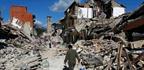
Communicable diseases following natural disasters
Natural disasters are catastrophic events with atmospheric, geologic and hydrologic origins. They include earthquakes, volcanic eruptions, landslides,...