

WHO Headquarters Leadership Team
Deputy Director-General
Dr Zsuzsanna Jakab, Deputy Director-General
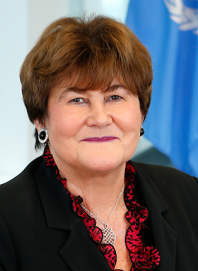
A native of Hungary, Dr Jakab was appointed as Deputy Director-General in 2019 after serving as WHO Regional Director for Europe since 2010. She has held a number of high-profile national and international public health policy positions in the last three decades, including as the founding Director of the European Centre for Disease Prevention and Control in Stockholm, Sweden.
Between 2005 and 2010, she built the centre into an internationally respected centre of excellence in the fight against infectious diseases.
.
Chef de Cabinet
Dr Bernhard Schwartländer, Chef de Cabinet
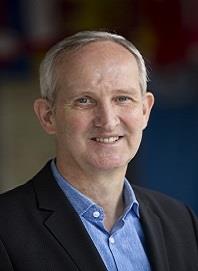
Dr Bernhard Schwartländer of Germany has been appointed Chef de Cabinet. Since 2013, Dr Schwartländer has served as WHO’s representative in China. Before joining WHO in China, he served as Director for Evidence, Policy and Innovation at UNAIDS headquarters in Geneva and as the United Nations Country Coordinator on AIDS in Beijing. He has also held a number of senior international positions including the Director for Performance Evaluation and Policy at the Global Fund to Fight AIDS, TB and Malaria, Director of the WHO’s HIV Department, and Director of Evaluation and Strategic Information at UNAIDS.
Prior to joining the United Nations, Dr Schwartländer was the Director of the national AIDS programme in Germany and the Director of the Division of Infectious Disease Epidemiology at the Robert Koch Institute in Berlin, the central biomedical and infectious disease research and reference laboratory of the Federal Ministry of Health, Germany. Dr Schwartländer has published widely in scientific journals and books and taught applied epidemiology in Berlin. He is a medical doctor and holds a doctorate in medical epidemiology. He received his education and professional training in Germany and the United States of America at the Centers for Disease Control and Prevention.
Prior to joining the United Nations, Dr Schwartländer was the Director of the national AIDS programme in Germany and the Director of the Division of Infectious Disease Epidemiology at the Robert Koch Institute in Berlin, the central biomedical and infectious disease research and reference laboratory of the Federal Ministry of Health, Germany. Dr Schwartländer has published widely in scientific journals and books and taught applied epidemiology in Berlin. He is a medical doctor and holds a doctorate in medical epidemiology. He received his education and professional training in Germany and the United States of America at the Centers for Disease Control and Prevention.
.
Executive Directors
.
Ms Jane Ellison, Executive Director for External Relations and Governance
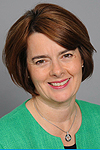
Jane Ellison was most recently WHO's Deputy Director-General for Corporate Operations. From the United Kingdom of Great Britain and Northern Ireland, she has more than 30 years of experience in politics, commerce and change management in both the public and private sectors. She was previously Special Parliamentary Adviser to the United Kingdom’s Chancellor of the Exchequer. In addition, as a Member of Parliament of the United Kingdom from 2010 to 2017, she served as the country’s Public Health Minister from 2013 to 2016 and as Minister of State at Her Majesty’s Treasury from 2016 to 2017.
As Public Health Minister, she was involved in the UK’s response to the 2014–2015 Ebola outbreak and represented the Government of the United Kingdom in World Health Assemblies. During her time in Parliament she played a pivotal role in advancing health issues including founding the first All-Party Parliamentary Group on Female Genital Mutilation in 2011 and taking forward the UK’s plain packaging of tobacco legislation. Prior to becoming a Member of Parliament she worked in the private sector for the John Lewis Partnership. Ms Ellison has a degree in Politics, Philosophy and Economics from Oxford University.
Delegation of authority from WHO Director-General
.
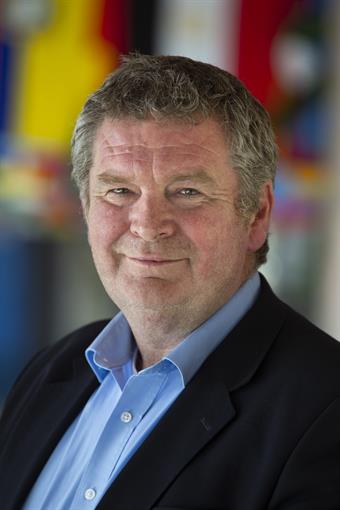
Dr Mike Ryan has been at the forefront of managing acute risks to global health for nearly 25 years. He served as Assistant Director-General for Emergency Preparedness and Response in WHO's Health Emergencies Programme from 2017 to 2019.
Dr Ryan first joined WHO in 1996, with the newly established unit to respond to emerging and epidemic disease threats. He has worked in conflict affected countries and led many responses to high impact epidemics. He is a founding member of the Global Outbreak Alert and Response Network (GOARN), which has aided the response to hundreds of disease outbreaks around the world. He served as Coordinator of Epidemic Response (2000-2003), Operational Coordinator of WHO’s response to the SARS outbreak (2003), and as WHO’s Director of Global Alert and Response (2005-2011),
He was a Senior Advisor on Polio Eradication for the Global Polio Eradication Initiative from 2013 to 2017, deploying to countries in the Middle East.
He completed medical training at the National University of Ireland, Galway, a Master’s in Public Health at University College Dublin, and specialist training in communicable disease control at the Health Protection Agency in London and the European Programme for Intervention Epidemiology Training.
.
Dr Peter Salama, Executive Director, Universal Health Coverage / Life Course
NOTE: Dr Peter Salama passed away suddenly on 23 January 2020. Please refer to WHO’s statement here.
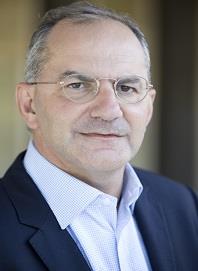
Dr Peter Salama, a medical epidemiologist from Australia, previously led the Health Emergencies Programme at WHO from 2016 to 2019. Before joining WHO, Dr Salama was UNICEF’s Regional Director for the Middle East and North Africa. Prior to these recent assignments, Dr Salama led UNICEF’s global response to Ebola, served as UNICEF Representative in Ethiopia and Zimbabwe (2009–2015), UNICEF’s Chief of Global Health and Principal Advisor on HIV/AIDS in New York (2004–2009), and UNICEF’s Chief of Health and Nutrition in Afghanistan (2002–2004). Prior to joining UNICEF in 2002, Dr Salama was visiting scientist at the International Emergency and Refugee Health Branch at the US Centers for Disease Control (CDC), and a visiting professor in nutrition at Tufts University. He has also worked with Médecins Sans Frontières and Concern Worldwide in several countries in Asia and sub-Saharan Africa.
Dr Salama has led research and published extensively on maternal and newborn child health, vaccine-preventable diseases, HIV, nutrition, war-related mortality and violence, refugee and emergency health, and programming in fragile states. He completed his medical and public health degrees at Melbourne and Harvard Universities, where he was also a Fulbright and Harkness fellow in public policy.
Dr Soumya Swaminathan, Chief Scientist
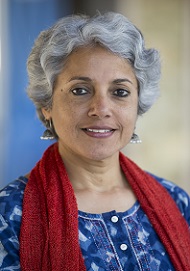
Dr Soumya Swaminathan was most recently WHO's Deputy Director-General for Programmes. A paediatrician from India and a globally recognized researcher on tuberculosis and HIV, she brings with her 30 years of experience in clinical care and research and has worked throughout her career to translate research into impactful programmes. Dr Swaminathan was Secretary to the Government of India for Health Research and Director General of the Indian Council of Medical Research from 2015 to 2017. In that position, she focused on bringing science and evidence into health policy making, building research capacity in Indian medical schools and forging south-south partnerships in health sciences. From 2009 to 2011, she also served as Coordinator of the UNICEF/UNDP/World Bank/WHO Special Programme for Research and Training in Tropical Diseases in Geneva.
She received her academic training in India, the United Kingdom of Great Britain and Northern Ireland, and the United States of America, and has published more than 350 peer-reviewed publications and book chapters. She is an elected Foreign Fellow of the US National Academy of Medicine and a Fellow of all three science academies in India. She has previously been on several WHO and global advisory bodies and committees, including the WHO Expert Panel to Review Global Strategy and Plan of Action on Public Health, Innovation and Intellectual Property, the Strategic and Technical Advisory Group of the Global TB Department at WHO, and most recently was Co-Chair of the Lancet Commission on TB.
.
Assistant Directors-General
Dr Samira Asma, Assistant Director-General, for Data, Analytics and Delivery
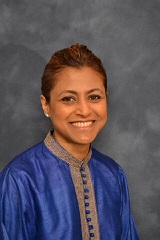
Dr Samira Asma, from the United States of America, is the Assistant Director-General for the Data, Analytics and Delivery for Impact Division. The main responsibilities of this role are to lead
the Organization’s efforts to establish an impact framework of accountability to deliver the ‘triple billion’ targets, to track health-related Sustainable Development Goals (SDGs), through building enhanced country capacity, and
to generate reliable data to forecast and inform public health policy. Dr Asma brings more than 25 years of experience in building teams and meaningful partnerships that lead public health programmes and policies to catalyze substantial and
measurable long-term impact.
Dr Asma re-joined WHO in 2018 as the Director for Health Metrics and Measurement and led an organization-wide and multi-partner engagement to develop the 13th General Programme of Work (GPW 13), the WHO Impact Framework and the SDG Global Action
Plan milestones with UN partners.
Prior to re-joining WHO, Dr Asma worked at the U.S. Centers for Disease Control and Prevention for over two decades where she developed global programmes on tobacco control and noncommunicable diseases, environmental health, and injuries. Dr Asma
is recognized for leading the establishment of a reliable, sustained surveillance system for tobacco control in 180 countries, using innovative technologies to monitor health, generating epidemiologic and economic evidence for policy interventions,
and launching a global initiative to reduce heart attacks and strokes – all through global networks and partnerships.
Dr Asma has contributed to more than 100 publications, book chapters and policy papers on epidemiology, surveillance and data driven public health policy, and has earned a degree in dentistry from Bangalore University, India, as well as a Master’s in Public Health from University College London, United Kingdom.
Delegation of authority from WHO Director-General
.
Professor Hanan H. Balkhy, Assistant Director-General, Antimicrobial resistance
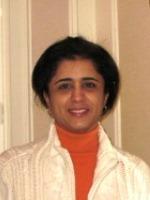
Professor Balkhy graduated from King Abdulaziz University in Jeddah, Kingdom of Saudi Arabia in 1991. She completed her paediatric residency training at Massachusetts General Hospital in Boston USA 1993-1996; followed by a paediatric infectious diseases fellowship from 1996-1999 from the Cleveland Clinic Foundation and Case Western Reserve University, Cleveland, Ohio, USA.
Prior to her appointment with WHO, she was the Executive Director, Infection Prevention and Control (IPC) at the Ministry of National Guard for 10 years and prior to that, the hospital epidemiologist for 10 years. She also led the establishment of the infectious diseases research department at King Abdulla International Research Centre at King Saud bin Abdulaziz University for Health Sciences in Riyadh, Saudi Arabia. Professor Balkhy runs the WHO Collaborating Centre for IPC and anti-microbial resistance (AMR) and the Gulf Cooperation Council center for infection control. She is the Editor-in-Chief of the Journal of Infection and Public Health and has over 200 publications in peer-reviewed journals.
Professor Balkhy is a member of the WHO Global unit for IPC,and in addition has served on many WHO committees including: the Advisory Group on Integrated Surveillance and Antimicrobial Resistance (AGISAR), the Strategic and Technical Advisory Group on Antimicrobial Resistance (STAG-AMR), the International Health Regulations review committee (IHR-RC) and the most recent Interagency Coordination Group committee for AMR.
With her broad spectrum of responsibilities, she has been able to develop the expertise in managing and leading both her teams of infection preventioninsts on one hand and research teams in the fields of AMR and MERS-CoV on the other. She has received two research awards from her institution acknowledging her leading role in her field. Most recently she has been given the European Society of Clinical Microbiology and Infectious Diseases (ESCMID) Fellows honorary title.
Ms Michèle Boccoz, Director-General Envoy for Multilateral Affairs
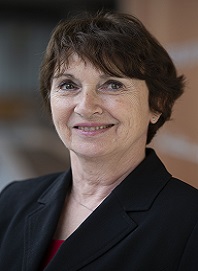
Michèle Boccoz is driving and strengthening the areas of health diplomacy, strategic engagement, and communication for WHO. An experienced diplomat from France, she served as the French Government’s Ambassador for the fight against HIV/AIDS and communicable diseases. Her time as a representative for the French Government included collaboration with a wide range of partners, including the Organization for Security and Co-operation in Europe and the United Nations Office in Geneva. From 2001 to 2007, she served as Executive Director for International Affairs at the Institute Pasteur.
Her involvement in health diplomacy dates to her term of office in Geneva, during which she participated in Dr Gro Harlem Brundtland’s transition into the WHO Director-General role. She was instrumental in supporting the International Health Regulations and emergency preparedness and response efforts. She also coordinated the European Union’s positions for the negotiations on the Framework Convention on Tobacco Control. Ms Boccoz was trained in diplomacy and is an alumnus of France’s Ecole normale supérieure and École nationale d’administration (National School of Public Administration).
Delegation of authority from WHO Director-General
Dr Ibrahima Socé Fall, Assistant Director-General, Emergency Response
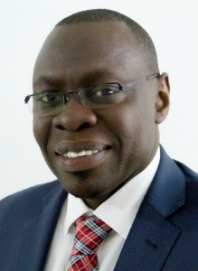
Doctor Ibrahima Socé Fall is the Assistant Director-General for Emergencies Response. He was previously the Regional Emergencies Director for WHO in the African Region. Dr Fall has worked as the WHO Representative in Mali before being appointed by the UN Secretary General as Ebola Crisis Manager and Head of UN mission for Ebola Emergency Response in Mali in November 2014. He returned to WHO in March 2015 as Director of the Health Security and Emergencies Cluster in the Regional Office after a successful mission in leading partners’ support to interrupting Ebola virus disease transmission in Mali.. He largely contributed the reform of WHO’s work in emergencies from design to implementation following his contribution to ending Ebola in West Africa.
Dr Fall was WHO Representative in Mali in the midst of the political and humanitarian crisis when WHO needed strong leadership and expertise to deal with complex emergencies. Prior to this role, Dr Fall was Regional Advisor in the WHO Regional Office for Africa in charge of strategic planning for the malaria programme as well as chair of the Roll Back Malaria Partnership’s strategic planning workstream at global level. He also coordinated capacity building for countries to access financing of the Global Fund to fight AIDS, Tuberculosis and Malaria. Dr Fall joined WHO in November 2003 as coordinator of the malaria intercountry support teams in the African Region.
Dr Fall also served as a member of the experts group that led the introduction and implementation of the Roll Back Malaria Partnership, which was launched in 1998 by WHO, UNICEF, UNDP and the World Bank.
Before joining WHO, Dr Fall has occupied many positions in Senegal including head of epidemics and communicable diseases control, immunization at provincial level, Member of the National Malaria Control Program steering committee, and Lecturer in Public Health at the Dakar University.
Dr Fall was trained as a military physician and has over 25 years’ experience in medical practice and Public Health. He has earned a doctorate in medicine, a Master’s in Public Health from Dakar University (UCAD), and a doctorate in Public Health jointly from Tulane University, Payson Center for International Development in the USA and UCAD, a Master of Science in International Development from Tulane University and a post-graduate diploma in tropical medicine and epidemiology in France at Aix-Marseille University and the Institute of Tropical Medicine of the French Army. Dr Fall is also a fellow of the Faculty of Public Health of the Royal College of Physicians of the United Kingdom.
Delegation of authority from WHO Director-General
Dr Ranieri Guerra, Assistant-Director General, leading WHO’s preparations for the UN high-level meeting on Universal Health Coverage at the UN General Assembly
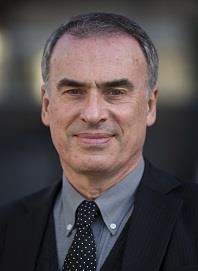
Dr Ranieri Guerra was most recently WHO Assistant Director-General for Strategic Initiatives. A physician from Italy, he has more than 30 years of public health experience. Since 2014, he has served as Director General for Preventive Health and Chief Medical Officer of the Italian Ministry of Health. Additional roles include serving as Scientific Attaché for the Embassy of Italy in Washington, DC, Director of the WHO Collaborating Centre and Director of the Office of External Relations at the President’s Cabinet at the Istituto Superiore di Sanità, the national research organization of the Italian Ministry of Health, and Medical Director of the United Nations Relief and Works Agency (UNRWA).
He has published extensively on humanitarian and emergency operations and health reform in developing and transitional countries. He also has worked with several multilateral organizations and the Italian Ministry of Foreign Affairs in these settings.
He has published extensively on humanitarian and emergency operations and health reform in developing and transitional countries. He also has worked with several multilateral organizations and the Italian Ministry of Foreign Affairs in these settings.
Dr Jaouad Mahjour, Assistant Director-General, Emergency Preparedness and International Health Regulations
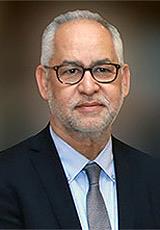
Dr Jaouad Mahjour most recently served as the Director of WHO's Country Health Emergency Preparedness & International Health Regulations Department. A national from Morocco, he holds a Doctorate of Medicine from the Faculty of Medicine
and Pharmacy in Rabat, Morocco, and a Master degree in Public Health.
Dr Mahjour is a public health specialist with over 30 years of experience in designing, implementing and evaluating diseases control programmes at national and international levels.
He joined WHO as the Country Representative to Lebanon in 2005. In 2007, he took up the position of Director, Communicable Diseases Control in the Eastern Mediterranean Regional Office. In 2014, he became Director of Programme Management,
and was Acting Regional Director for the Eastern Mediterranean Region from October 2017 to May 2018. Over the last 10 years, Dr Mahjour has been leading the implementation of the International Health Regulations 2005, and overall health security
and outbreak prevention and control programmes in the WHO Eastern Mediterranean Region Office.
Before joining WHO, Dr Mahjour was the Director of Epidemiology and Diseases Control in the Ministry of Health of Morocco.
Dr Ren Minghui, Assistant Director-General, Universal Health Coverage / Communicable and Noncommunicable Diseases
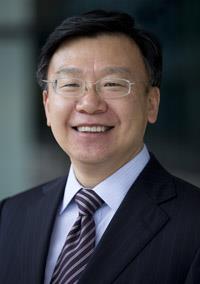
Dr Ren Minghui has served as WHO's Assistant Director-General for HIV/AIDS, Tuberculosis, Malaria and Neglected Tropical Diseases since January 2016 and is continuing this work under his new title Assistant Director General for Communicable Diseases. Prior to this role, he was Director-General for International Cooperation in the National Health and Family Planning Commission of the People’s Republic of China. He brings nearly 30 years of public health experience, working on health policy and health reform in China’s Ministry of Health, where he focused primarily on health systems research and health insurance reform.
Later, his work focused on international health cooperation, during which time he led a number of health committees and programmes, working closely with international partners. As part of this work, he oversaw the development of the China-Africa health cooperation process, initiated health cooperation with BRICS countries, and engaged in regional health cooperation with Association of Southeast Asian Nations (ASEAN), Asia-Pacific Economic Cooperation (APEC) and countries of the Greater Mekong subregion. In addition, he has served as Vice-chair of WHO’s Executive Board, a member of the UNAIDS Programme Coordinating Board, and a representative of the Board of the Global Fund to Fight AIDS, TB and Malaria. Dr Ren is a medical doctor and holds a PhD in Social Medicine and Health and a Masters in Public Health.
Delegation of authority from WHO Director-General
Dr Mariângela Batista Galvão Simão, Assistant Director-General, Access to Medicines and Health Products
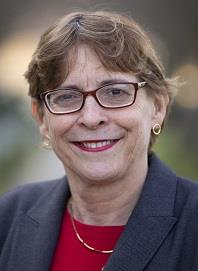
Dr Mariângela Batista Galvão Simão from Brazil was most recently WHO Assistant Director-General for Drug Access, Vaccines and Pharmaceuticals. She was Director of Community Support, Social Justice and Inclusion at UNAIDS. In addition to her work at UNAIDS, she brings more than 30 years of experience working in the Brazilian public health system and has played an active role in enhancing access and decentralizing health services in the country.
Between 2006 and 2010, she served as Director of the National STD/AIDS and Viral Hepatitis Department in the Brazilian Ministry of Health, where she led successful price negotiations with pharmaceutical companies to lower the price of HIV medication. During this time, she also represented the Brazilian Ministry of Health in the negotiations that led to the constitution of UNITAID in 2006, including its governing body, where she served as a board member until 2008. She was trained as a paediatrician in Brazil and holds an MSc degree in public health from University of London, United Kingdom.
Delegation of authority from WHO Director-General
Mr Stewart Simonson, Assistant Director-General, WHO’s office at the United Nations in New York
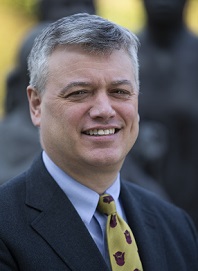
Mr Stewart Simonson, from United States of America, was most recently Assistant Director-General for General Management. He brings more than 20 years of experience in corporate governance, risk management and administration that spans across the government, nongovernmental and private sectors. His past roles include serving as Senior Vice President and General Counsel to the Futures Group Global LLC, and most recently, as Legal Advisor for the Crudem Foundation, where he functioned as legal counsel to the foundation and technical advisor to its partner hospital in Haiti.
From 2001 to 2006, he served in the United States Department of Health and Human Services in different capacities, including as Assistant Secretary for Public Health Emergency Preparedness. In this role, he served as the Secretary’s principal advisor on matters related to bioterrorism and other public health emergencies and coordinated the development of the United States government’s position on the revision of the International Health Regulations. He has degrees in law and political science.
Delegation of authority from WHO Director-General
Mr Raul Thomas, Assistant Director-General, Business Operations
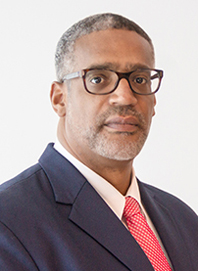
A native of Trinidad and Tobago, Mr Thomas holds a Master’s degree in Organizational Management and a Bachelor’s degree in Business Administration.
Employed for 20 years with the World Health Organization, Mr. Thomas has served in the regions of the Americas, Western Pacific, Eastern Mediterranean and Africa, as well as with the International Agency for Research on Cancer (IARC). Areas of Mr Thomas' expertise are budget, finance, administration, audit, risk management, accountability and compliance, and general management. His experience with WHO has also included managing administrative and security responses to environmental disasters, emergencies and high risk areas of civil unrest and conflict.
Mr Thomas began work with WHO in the Regional Office for the Americas, serving in budget and finance capacities in Washington D.C. for four years and representing that office as Administrative Officer in the PAHO/WHO U.S.-Mexico Border Office in El Paso, Texas, for two years. From 2001 to 2006, he held the position of Budget and Finance Officer at IARC in Lyon, France, and then at the Regional Office for the Western Pacific in Manila, Philippines.
Mr Thomas served as Director of Administration in Manila and then in the Regional Office for Eastern Mediterranean in Cairo, Egypt, from 2006 to 2013. He joined the Regional Office for Africa in Brazzaville, Congo, in December 2013 as Director, General Management.
Prior to his employment with WHO, Mr. Thomas worked for two years for the United Nations Development Programme in New York City.
Dr Naoko Yamamoto, Assistant Director-General, Universal Health Coverage / Healthier Populations
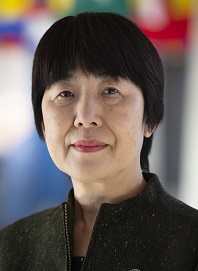
Dr Naoko Yamamoto was most recently WHO's Assistant Director-General for Universal Health Coverage and Health Systems. Dr Yamamoto brings nearly 30 years of experience working on health in Japan and served as Senior Assistant Minister for Global Heath in Japan’s Ministry of Health, Labour and Welfare. In this capacity, she was heavily involved in Japan’s global health leadership, including hosting and organizing the International Conference on Universal Health Coverage in 2015 and supporting the compilation of the G7 Ise-Shima Vision for Global Health and Kobe Communique of the G7 Health Ministers’ Meeting in 2016, both of which highlighted the importance of promoting universal health coverage.
Prior to this role, she served in numerous health-related positions within the government of Japan, including as Director General of the Hokkaido Regional Bureau of Health and Welfare, Director of the Health and Medical Division at the Ministry of Defense, and Counsellor to the Permanent Mission of Japan to the United Nations. She holds a medical degree, a PhD in epidemiology and a Masters in Public Health.
Delegation of authority from WHO Director-General
Dr Princess Nothemba Simelela, Special Adviser to the Director-General, Strategic Programmatic Priorities
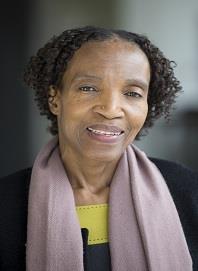
Dr Princess Nothemba (Nono) Simelela, from South Africa, was most recently WHO's Assistant Director-General for Family, Women, Children and Adolescents. She has more than 30 years of experience as an obstetrician, academic, advocate and government official, and has previously served as Special Advisor to the Vice President of the Republic of South Africa on Social Policy, where she supported the multisectoral, government wide response for HIV.
Other previous senior leadership roles held by Dr Simelela include serving as the Chief Executive Officer of the South African National AIDS Council, and as the Director of Technical Knowledge and Support for the International Planned Parenthood Federation.
Dr Simelela has presented and published widely on women’s health and contributed to the development of key guidelines on the prevention of mother-to-child transmission of HIV.
Peter Singer, Special Advisor to the Director-General
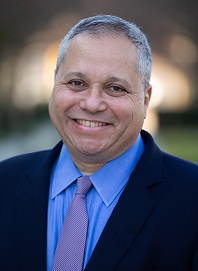
Before joining WHO as Special Advisor to the Director General, Dr. Peter Singer from Canada co-founded two innovative, results driven, social impact organizations. From 2008-2018 Singer was Chief Executive Officer of Grand Challenges Canada. From 1996-2006 he was Sun Life Financial Chair and Director of the University of Toronto Joint Centre for Bioethics. He was also Professor of Medicine at University of Toronto and Senior Scientist at University Health Network.
In 2007, Dr. Singer received the Michael Smith Prize as Canada's Health Researcher of the Year in Population Health and Health Services. In 2011, Singer was appointed Officer of the Order of Canada for his contributions to health research and bioethics, and for his dedication to improving the health of people in developing countries. He is a Fellow of the Royal Society of Canada, the Canadian Academy of Health Sciences (where he was also Foreign Secretary), the U.S. National Academy of Medicine, and The Academy of Sciences for the Developing World (TWAS).
As a researcher, Dr. Singer published over 300 articles, received over $50 million in research grants, and mentored hundreds of students. He studied internal medicine at University of Toronto, medical ethics at University of Chicago, public health at Yale University, and management at Harvard Business School. He served his community as Board Chair of Branksome Hall, an internationally minded school for girls.
In 2007, Dr. Singer received the Michael Smith Prize as Canada's Health Researcher of the Year in Population Health and Health Services. In 2011, Singer was appointed Officer of the Order of Canada for his contributions to health research and bioethics, and for his dedication to improving the health of people in developing countries. He is a Fellow of the Royal Society of Canada, the Canadian Academy of Health Sciences (where he was also Foreign Secretary), the U.S. National Academy of Medicine, and The Academy of Sciences for the Developing World (TWAS).
As a researcher, Dr. Singer published over 300 articles, received over $50 million in research grants, and mentored hundreds of students. He studied internal medicine at University of Toronto, medical ethics at University of Chicago, public health at Yale University, and management at Harvard Business School. He served his community as Board Chair of Branksome Hall, an internationally minded school for girls.