Survivors, health workers, excellencies, ladies and gentlemen.
I am really humbled to join you all in honouring the heroic people who have died for the humanitarian cause, and in thanking those who continue to devote their lives to helping the world’s most vulnerable people - in so many different countries, in such difficult circumstances.
Just a few weeks ago, I visited Yemen with the heads of UNICEF my brother Tony Lake and the World Food Programme my brother David Beasley, and together, we witnessed first-hand what happens when people cannot access basic health services. Quite simply, they die.
Since April, 2000 people have died of cholera in Yemen. Most of these would have survived if they could have obtained treatment.
And we visited one of the few hospitals that is still functioning. We talked with sick people and their families, and we saw a mother attending her child. The child was skin and bones. The mother was complaining about her child but the mother herself was skins and bones. That is the tragedy of war.
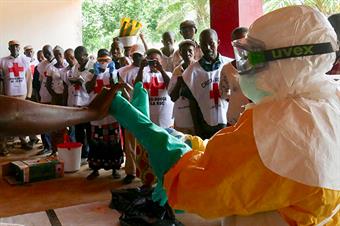
We met some of the most committed and dedicated health workers I have ever encountered. They are not a target.
These people are working around the clock. They struggle to find the medical supplies they need. Often there is no water or electricity. They work long days and nights. And many have not been paid in almost a year.
On top of that, they run the risk of being targeted or attacked – simply because of the job they are doing.
A year ago, 19 people were killed in an attack on MSF’s Abs Hospital in Hajjah governorate in Yemen. This was just one of 300 reported attacks on health care worldwide in 2016 which killed more than 400 people.
Quite honestly, I cannot find the words to describe this. It is unacceptable. Despicable and wrong.
Health workers must not be a target.
Every attack on a health worker is an attack on their immediate family, friends and colleagues – a loss that ripples out to communities and through health systems.
Every hospital destroyed and every medical worker killed wipes out years of investment and takes vital health services away from the people who need them most.
It is a threat to long-term progress in health and development and an attack on humanity.
One of my most important priorities as Director-General at the WHO is ensuring that everyone - no matter where they live - has access to health care.
This means taking all steps necessary to protect health care workers and facilities.
It means adhering to the provisions of International Humanitarian Law, and implementing Security Council resolution (2286). And the World Health Organization stands ready to work with all of you, and with all governments and partners to transform the recommendations of the Security Council into actions that protect health workers so they can get on with their jobs and save lives.
And now I’d like to invite Dr Marco Balden, from the International Committee of the Red Cross, to take the floor to talk about his experiences working as a surgeon in conflict.
But people, don't forget the mother and child, skin and bones, and the health workers who are just there to save them.