
Secretary-General, honourable ministers, distinguished guests,
I welcome this opportunity to present some ideas as we seek ways to make health a more central issue for foreign policy. I would like, in particular, to reflect on shared values and mutual interests as we consider the place of health in a globalized world.
Health is, I believe, a fruitful – and a friendly – arena for foreign diplomacy. Health operates as a key driver of economic and social progress. Health contributes to stability and is a foundation of prosperity. A move towards greater global stability and prosperity benefits every country.
Yet, in matters of health, our world is extremely out of balance. Life expectancies between rich and poor countries can differ by as much as 40 years.
The world has never possessed such a sophisticated arsenal for curing diseases and prolonging life. Yet each year, more than 10 million children and pregnant women die from conditions that could have been treated or prevented with inexpensive, low-tech tools.
Why should this imbalance interest foreign policy?
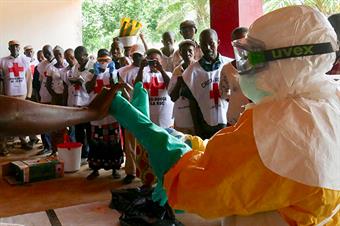
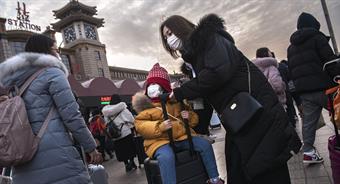
The forces that shape health, and define the gaps in health outcomes, are increasingly international. Diseases spread internationally. Some emerging and epidemic-prone diseases are direct threats to national and international security. Let me mention some: AIDS, pandemic influenza, a new disease like SARS, or bioterrorism using a virus like smallpox.
Water and air pollution spread. The consequences of climate change are already being felt. Globalization spreads lifestyle changes, and these speed the rise of chronic diseases.
Gaps between the rich and poor are set to grow wider. As we all know, globalization creates wealth, but has no rules that guarantee its fair distribution.
I believe that there is no sector better placed than health to make compelling arguments for fairness and social justice.
No one should be denied access to life-saving and health-promoting interventions for unfair reasons, including those with economic or social causes. In health, inequities really are a life-and-death issue.
The Millennium Declaration sets out a framework of principles that can guide foreign relations: equity, social justice, and above all, shared responsibility. We see the same principles guiding international work in public health: a commitment to fairness in health outcomes and collective responsibility for its pursuit.
Sometimes the motivation arises from shared vulnerability to a threat, such as an emerging disease. Enlightened self-interest is also a motivating factor. As so clearly articulated by the Millennium Development Goals, better health is a poverty-reduction strategy. A world with fewer social and economic inequalities is, I believe, a healthier world politically.
This is my final comment. In my nine months in office, I have been most impressed by the engagement of world political leaders in international public health, often for diseases that have little impact within their borders.
For me, this is the best evidence that health truly matters as an instrument of foreign policy, that health is, indeed, a fruitful and friendly arena for diplomacy.