

Public health implications of implementation of the Nagoya Protocol

Public health implications of implementation of the Nagoya Protocol

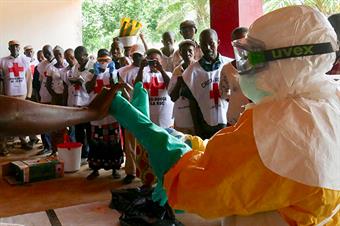
WHO/Y. Shimizu
© Credits

Overview

The Nagoya Protocol is an access and benefit-sharing instrument that governs the international sharing of genetic resources. Implementation of this treaty has implications for public health including, in particular, the timely response to infectious disease outbreaks. There are opportunities to advance both public health and the principles of fair and equitable sharing of benefits.

WHO – in close collaboration with the Convention on Biological Diversity and other international organizations and stakeholders – is working to ensure that public health work advances in harmony with the implementation of the Nagoya Protocol. This page contains information on WHO’s ongoing efforts in this regard.


Collaboration with the Convention on Biological Diversity

The secretariats of WHO and CBD continue to work together on issues of access and benefit sharing for pathogens. This involves ensuring that relevant information is shared between the organizations, promoting the engagement of SCBD, WHO and other organizations in processes of mutual interest; working jointly on the development of documents and other relevant materials; and organizing a number of other collaborative activities.

Consultation between WHO Secretariat and the Secretariat of the CBD

WHA Report - Collaboration with the Secretariat of the Convention on Biological Diversity and other relevant International Organizations

Review of the Pandemic Influenza Preparedness Framework