
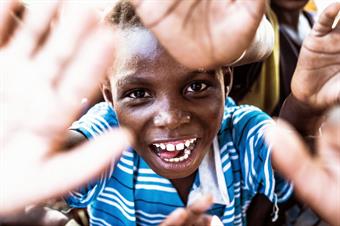

Preventing noncommunicable diseases

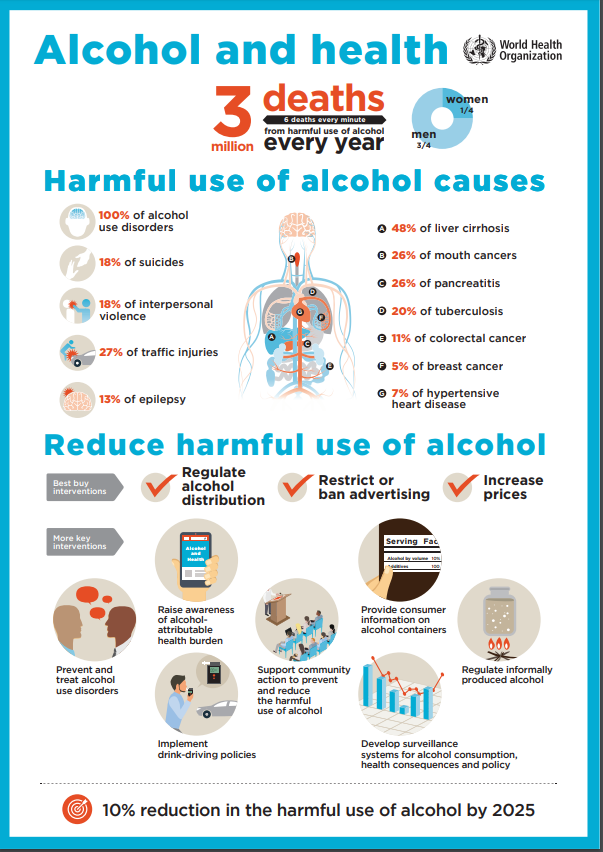
Reducing the major risk factors for noncommunicable diseases (NCDs) – tobacco use, physical inactivity, unhealthy diet and the harmful use of alcohol – is the focus of WHO’s work to prevent deaths from NCDs. 

NCDs – primarily heart and lung diseases, cancers and diabetes – are the world’s largest killers, with an estimated 38 million deaths annually. Of these deaths, 16 million are premature (under 70 years of age). If we reduce the global impact of risk factors, we can go a long way to reducing the number of deaths worldwide.

Prevention of NCDs is a growing issue: the burden of NCDs falls mainly on developing countries, where 82% of premature deaths from these diseases occur. Tackling the risk factors will therefore not only save lives; it will also provide a huge boost for the economic development of countries.
 

41 million

deaths

Attributed to NCDs annually, equivalent to 71% of all deaths globally

3.3 million

deaths per year

due to the harmful use of alcohol

Global status report

3.1 billion adults

do not drink alcohol

57% of adults worldwide abstained from alcohol in 2016

Learn more

News

Publications

A Rapid Situation Assessment of Alcohol in Relation to Sexual Behaviour in Lagos, Nigeria

The prevalence rate of HIV/AIDS in Nigeria has been rising with every national sentinel survey conducted in the country. It rose from 1.8% in 1991 through...

A Rapid Assessment in Relation to Alcohol and Other Substance Use and Sexual Behaviour in Zimbabwe

The HIV epidemic in Zimbabwe currently ranks among the most severe in the world with an estimated 25% of the adult population or 1.4 million Zimbabweans...

Report on the meeting on indicators for monitoring alcohol, drugs and other psychoactive substance use

In monitoring the extent of psychoactive substance use, substance-attributable harm and societal responses, the use of a key set of standardized indicators...

Involvement of nurses and midwives in screening and brief interventions

Psychoactive substance use can result in a wide range of health and social problems for individuals, their families and the wider community. Globally,...

How to make your campus smoke-free

This step-by-step guide was prepared by the World Health Organization (WHO), the WHO Framework Convention on Tobacco Control (WHO FCTC) Secretariat, and...

WHO tobacco knowledge summaries: tobacco and postsurgical outcomes

This document is the fourth in a series of Tobacco Knowledge Summaries. This document was prepared with the objective to summarize the association between...

WHO global report on trends in prevalence of tobacco use 2000-2025, third edition

Progress in reducing tobacco use is a key indicator for measuring countries’ efforts to implement the WHO Framework Convention on Tobacco Control....

Be He@lthy, Be Mobile: personas toolkit

This handbook provides guidance on how to use "personas" to design content and delivery mechanisms for mHealth programmes by keeping users at the core...