


World Obesity Federation
© Credits

Controlling the global obesity epidemic

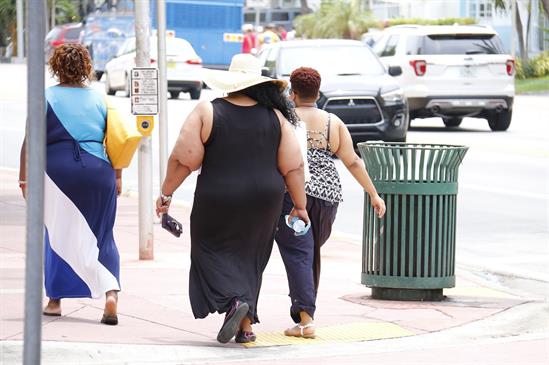
At the other end of the malnutrition scale, obesity is one of today’s most blatantly visible – yet most neglected – public health problems. Paradoxically coexisting with undernutrition, an escalating global epidemic of overweight and obesity – “globesity” – is taking over many parts of the world. If immediate action is not taken, millions will suffer from an array of serious health disorders.

Obesity is a complex condition, one with serious social and psychological dimensions, that affects virtually all age and socioeconomic groups and threatens to overwhelm both developed and developing countries. In 1995, there were an estimated 200 million obese adults worldwide and another 18 million under-five children classified as overweight. As of 2000, the number of obese adults has increased to over 300 million. Contrary to conventional wisdom, the obesity epidemic is not restricted to industrialized societies; in developing countries, it is estimated that over 115 million people suffer from obesity-related problems.

Generally, although men may have higher rates of overweight, women have higher rates of obesity. For both, obesity poses a major risk for serious diet-related noncommunicable diseases, including diabetes mellitus, cardiovascular disease, hypertension and stroke, and certain forms of cancer. Its health consequences range from increased risk of premature death to serious chronic conditions that reduce the overall quality of life.
The response: making healthy choices easy choices

IFAD Food Safety Uganda 15269

WHO began sounding the alarm in the 1990s, spearheading a series of expert and technical consultations. Public awareness campaigns were also initiated to sensitize policy-makers, private sector partners, medical professionals and the public at large. Aware that obesity is predominantly a “social and environmental disease”, WHO is helping to develop strategies that will make healthy choices easier to make.

In collaboration with the University of Sydney (Australia), WHO is calculating the worldwide economic impact of overweight and obesity. It is also working with the University of Auckland (New Zealand) to analyse the impact that globalization and rapid socioeconomic transition have on nutrition and to identify the main political, socioeconomic, cultural and physical factors which promote obesogenic environments.

Events

WHO Expert Consultation on waist circumference and waist-hip ratio

Geneva , Switzerland

There are increasing inquiries from countries, researchers and public health experts regarding the WHO's position on the issues related to waist circumference (WC) and waist-hip ratio (WHR). In order to respond to this growing interest and request for WHO to provide global guidance, the WHO Department of Nutrition for Health and Development (NHD), in close collaboration with the Department of Chronic Diseases and Health Promotion (CHP), is holding an Expert Consultation on waist circumference and waist-hip ratio in Geneva from 8 to 11 December 2008.

There are increasing inquiries from countries, researchers and public health experts regarding the WHO's position on the issues related to waist circumference (WC) and waist-hip ratio (WHR). In order to respond to this growing interest and request for WHO to provide global guidance, the WHO Department of Nutrition for Health and Development (NHD), in close collaboration with the Department of Chronic Diseases and Health Promotion (CHP), is holding an Expert Consultation on waist circumference and waist-hip ratio in Geneva from 8 to 11 December 2008.

The main purpose of the expert consultation is to review the evidence on the issues related to WC and WHR, in particular those related to variations by ethnicity, age and sex; measurement methodology; predicting cardiovascular disease and diabetes risks as well as overall mortality risk, with a view to determine their possible cut-off points for public health action and develop global guidance.

Publications

All →
Diet, nutrition and the prevention of chronic diseases: report of a joint WHO/FAO expert consultation, Geneva, 28 January - 1 February 2002

Report of a joint WHO/FAO expert consultation, 28 January - 1 February 2002, Geneva, Switzerland. Shifting dietary patterns, a decline in energy expenditure...

Related health topics

Contact


Nutritional health department
nutrition@who.int