
The United States of America
Partner in global health
WHO/A. Loke
©
Credits
Driving development results
The United States of America and the World Health Organization work together on global health challenges to make the world a safer and healthier place.
WHO is grateful to the United States for its leadership in global health, including health security, polio, primary health care and maternal child health. When people are healthy, they can learn, work and support themselves and their families. Good health leads to economic prosperity, which in turn promotes a path to self-reliance and resilience.
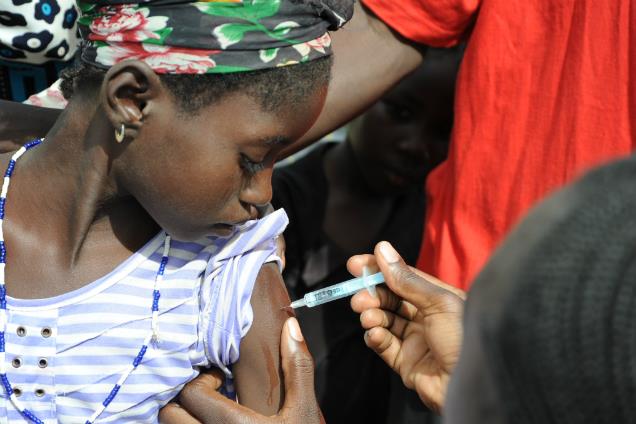
By partnering with WHO, the United States helps keep polio at bay and brings the goal of eradicating the disease closer to realization. By focusing on diseases such as TB, Malaria and HIV the United States protects the world's most vulnerable populations affected by these diseases.
For decades the United States has been a committed partner in global health, a pillar for economic prosperity. WHO recognizes and thanks the American people for their generosity.
WHO/R. Barry
©
Credits
Political commitment
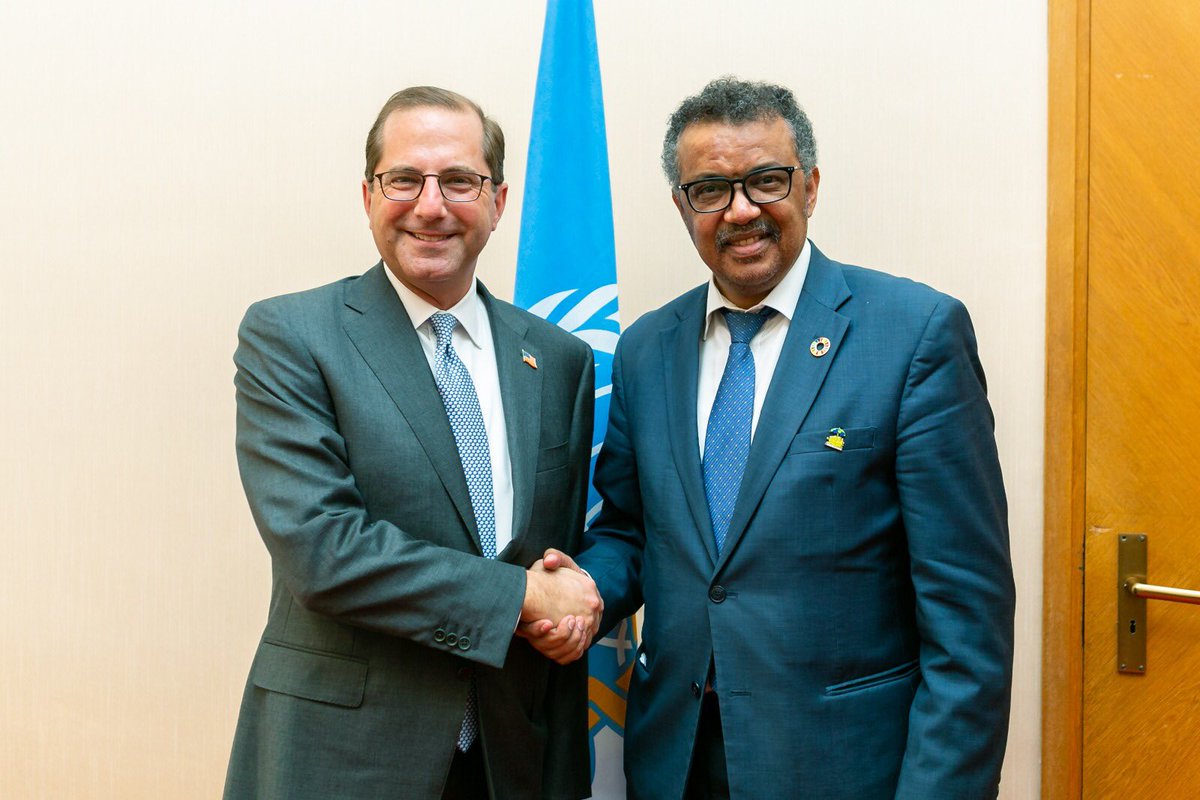
Insightful meeting with @secazar and @CDCDirector. Thank you for the great collaboration between WHO-@HHSGov-@CDCgov and for your constant support. Together we are working for a healthier, safer world. #UNGA pic.twitter.com/fBp0kMZ8g5
— Tedros Adhanom Ghebreyesus (@DrTedros) September 25, 2018
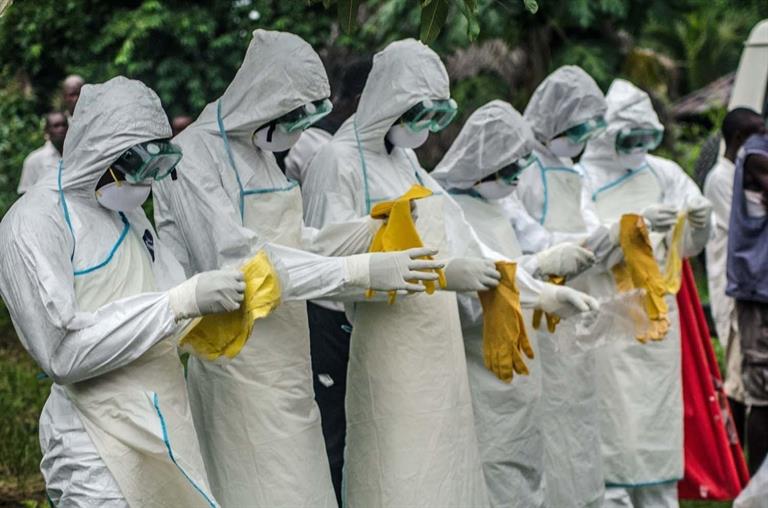
CDC has deployed experienced #Ebola experts to DRC and the World Health Organization to provide guidance on coordination of outbreak response, laboratory testing, disease contact tracing, infection control, and health communication.
— Dr. Robert R. Redfield (@CDCDirector) August 10, 2018
#GlobalHealth is a key aspect of the #DevJourney to #SelfReliance. Good to talk w/ @DrTedros about #polio, the @WHO response to the plague in #Madagascar & the potential development impact of controlling the #TB epidemic. pic.twitter.com/GL3nHY6Lbk
— Mark Green (@USAIDMarkGreen) April 20, 2018
The United States of America: WHO's top donor
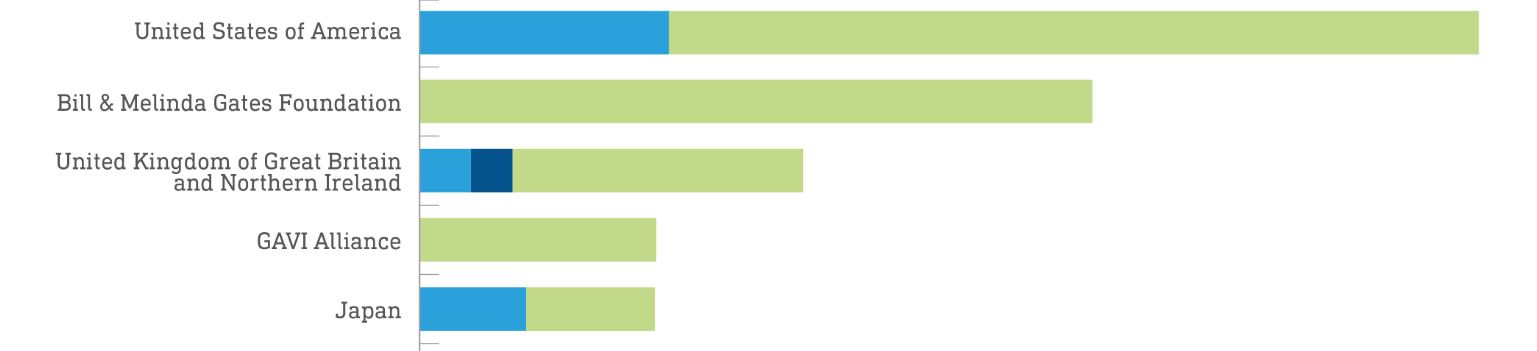
WHO is proud to partner with The United States of America, as the number one donor for the 2016-2017 programme budget and for many previous years.
The American people generously invested over US$ 945.6 million in WHO for the 2016-2017 period. Contributions from the United States were made up of over 76% of voluntary funding.

Emergency preparedness, outbreak and crisis response
The United States enhances global health security by supporting the WHO Health Emergencies programme across the globe -- from prevention through preparedness to early warning, response and recovery.
In close partnership with WHO, the US Centers for Disease Control and Prevention (CDC) facilitates regional training events on foundational principles and concepts in public health emergency management. In 2018, a total of 79 participants representing 23 countries attended regional training events in the WHO AFRO region.
Operations in preparedness, outbreak and crisis response would not be possible without US support in many countries including Afghanistan, Guinea, Iraq, Lao People's Democratic Republic, Liberia, Nepal, Nigeria, Sierra Leone, South Sudan, Sudan, Syrian Arab Republic, Turkey, Vietnam, and Yemen.
CDC is a key partner of the Global Outbreak and Response Network (GOARN), which enables WHO to respond to acute public health events through the deployment of staff and resources. CDC has deployed 674 times into 53 operations and continues to provide support to DRC and surrounding countries amid the ongoing threat of Ebola.
As a founding member of GOARN, the CDC is part of its steering committee and leads on various aspects of the GOARN 2.0 strategy. Other US-based GOARN partners include ProMED, Harvard Humanitarian Initiative, Resolve to Save Lives, Global Virus Network, MWater, Chan Zuckerberg Biohub, Johns Hopkins University, UNICEF, WHO Regional Office for the Americas, US Army Medical Research Institute of Infectious Diseases, and TEPHINET.
US funding has stopped the spread of disease and helped people stay healthy in thousands of humanitarian crisis and disease outbreaks including:
- The Ebola response in Democratic Republic Congo 2018 - Thanks to The United States support over 30,000 people have been vaccinated and thousands of contacts traced in an effort to contain the disease. The U.S. government’s lead agency on biomedical infectious disease research (NIAID) collaborated with WHO and partners to develop a randomized controlled trial of therapeutics for the latest Ebola outbreaks in DRC. Read more
- The WHO and partners in Afghanistan have reached over 800,000 people with health services such as first aid, surgery, vaccination, skilled birth attendants and psychosocial support. This is possible because of partners like USAID.
- In Iraq, thanks to the support of partners like USAID's Office of US Foreign Disaster Assistance, ambulances were provided to support 1,500 people per month who are now able to reach hospitals and get care when they need it.
Ebola response
Good call with @USAIDMarkGreen. We discussed preparations ahead of the monsoon in #Bangladesh. I also updated him on the #Ebola response in #DRC. It’s a challenging & costly logistical operation. To reach the affected areas we need to fly by helicopter. Thanks for @USAID support.
— Tedros Adhanom Ghebreyesus (@DrTedros) May 15, 2018
PRESS RELEASE: USAID Commits Additional $7 million to Combat #Ebola in the Democratic Republic of Congo https://t.co/g75VyA76xs pic.twitter.com/XWg8eejUrc
— USAID (@USAID) May 22, 2018
Trauma care in Afghanistan
✅#Firstaid 🤕
— WHO Afghanistan (@WHOAfghanistan) June 4, 2018
✅surgery 🏥
✅#vaccination 💧
✅skilled birth attendants 🚼
✅psychosocial support
Thanks to #HealthCluster partners, 840,000+ people have had access to these and other forms of essential and life-saving #healthservices in 2018. #HealthForAll #Afghanistan pic.twitter.com/iROFTJkZjU
Care in Iraq
— USAID/OFDA (@theOFDA) June 20, 2018
So thrilled to partner w/ @WHOIraq to provide 20 ambulances to #Iraq. 1500 ppl/month in war-torn #Anbar #Ninewa #Kirkuk can now get safe, quick transport to hospitals & trauma centers https://t.co/2W4nN6m2uh #USAIDTransforms pic.twitter.com/Ox1eOXYd8L
United States expertise in WHO Collaborating Centres
WHO works with over 800 collaborating centres across the world, 82 of which are hosted in the United States. The CDC has 21 Collaborating Centers in total, including 3 in the Division of High-Consequence Pathogens and Pathology.
CDC’s Influenza Division has served as a WHO Collaborating Center (CC) for Surveillance, Epidemiology, and Control of Influenza in Atlanta, Georgia since 1956 and is the largest global center supporting public health interventions to control and prevent pandemic and seasonal influenza. USAID's Emerging Pandemic Threats 2 Programme helps minimize the global impact of existing pandemic influenza threats, particularly from the H5N1 highly pathogenic avian flu.
In addition, CDC’s Division of Global Health Protection serves as the CC for Global Public Informatics, the CC for Biosafety and Biosecurity, and the CC for the International Health Regulations.WHO Collaborating Center for Viral Hemorrhagic Fevers, CDC’s Viral Special Pathogens Branch supports WHO and Member States in the early diagnosis, rapid identification, and epidemiologic investigation of global high-risk pathogen outbreaks like Ebola, Nipah, or Marburg virus. CDC’s experts provide technical guidance for national laboratories involved in outbreak response as well as onsite laboratory diagnostic support with staff and equipment when possible. These engagements further advance the world’s ability to prevent, detect, and respond to a wide range of known and unknown health threats.
The US Department of Health and Human Services, National Institute of Health, serves as a CC for Global Cancer Control and health and the environment.
Revered
academic institutions in the USA also contribute to WHO through collaborating
centers including Boston University, Columbia University, Johns Hopkins, National
Cancer Institute, New York University, and St. Jude Children's Research
Hospital and Yale University.
The
US collaborating centres focus on such health topics as cancer, occupational
health, communicable diseases, nutrition, mental health, chronic diseases and
health technologies.
Primary health care: Improving patient care
Thanks to the support of USAID, WHO and UNICEF published a practical guide for improving quality of care through water, sanitation and hygiene in health care facilities - WASH-FIT. The lack of WASH services compromises the ability to provide safe and quality care, places both health care providers and those seeking care at substantial risk of infection-related morbidities and mortality, and poses a significant economic and social burden.
WHO has also worked with USAID's ASSIST programme to give patients quality care that will improve health outcomes.
In South Africa WHO piloted its global strategy on integrated people-centered health services in 10 health centres in the Nelson Mandela Metropolitan District in Eastern Cape Province, demonstrating that a people-centered and integrated service delivery approach will better meet health system goals.
Results were extremely positive. Patients’ experience improved across almost all indicators. The proportion of patients reporting good to excellent conditions in the waiting area as well as those being served in less than two hours both increased by 19 percentage points.
Patients reported better access to needed health services; were more involved in clinic committees that improved governance, stronger patient and provider relationships; enhanced continuity of care and satisfaction with services; reduced system inefficiencies and duplication of services; and stronger inter-sectoral collaboration.
Video description: Originally from Pennsylvania, USA, Shannon Barkley is one of the doctors from WHO's Service Delivery and Safety team that implemented clinical interventions for the USAID ASSIST programme.
Regulating essential medicines and food safety
Strong regulatory systems are critical to any well-functioning health system. Across the globe, access to safe, effective, high-quality and affordable medical products is essential for people’s well-being and the ability to lead healthy and productive lives. Similarly, access to safe and nutritious foods is essential for a person’s growth, development, and general well-being.
WHO and the US Food and Drug Administration collaborate to increase awareness of the critical role of smooth and robust regulatory systems for protecting public health, economic viability, and preparedness to respond to public health emergencies.
WHO and the U.S. FDA work together on several projects including: WHO's Global Monitoring System for Substandard and Falsified Medicines, WHO/FAO’s work on foods safety systems strengthening, and WHO’s Global Bench-marking Tool to assess and strengthen regulatory systems around the world. These partnerships with WHO have been the cornerstone of FDA’s efforts to support regulatory systems strengthening, especially in low-and-middle income countries.
Polio eradication
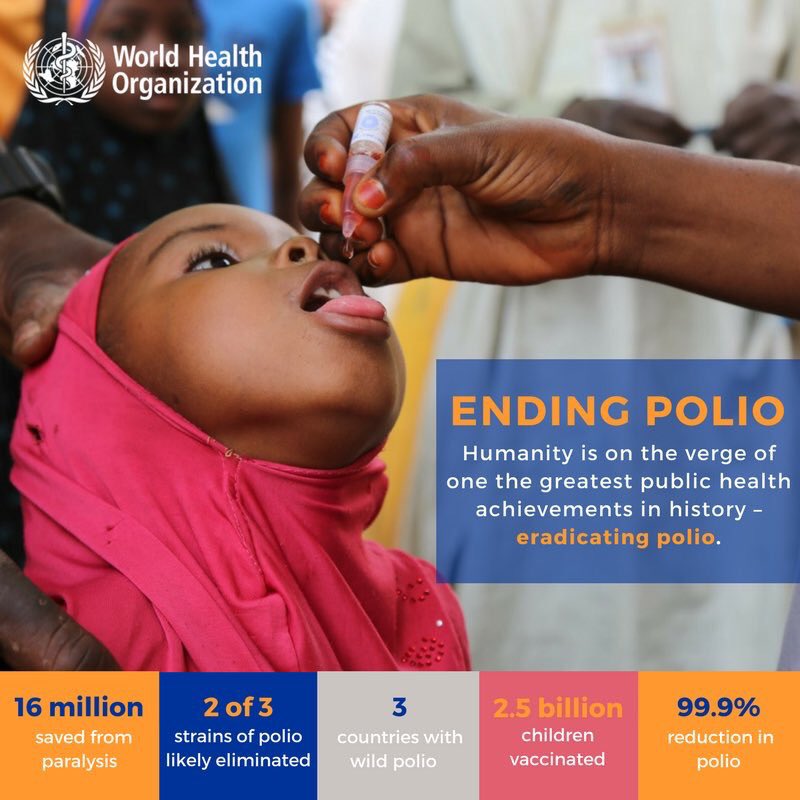
The goal of the Global Polio Eradication Initiative is to complete the eradication and containment of polioviruses, so that no child ever again suffers paralytic poliomyelitis. The GPEI is a public-private partnership led by WHO, UNICEF, Rotary International, and the Centers for Disease Control and Prevention (CDC).
The USA remains the largest public-sector donor to the GPEI. The US Congress has allocated more than US$ 2.85 billion to the effort through the US Centers for Disease Control and Prevention and USAID, both of whom provide crucial technical and management assistance for eradication in priority countries.
In 2016, US$ 121 million was disbursed to WHO and UNICEF. In 2017, US$ 116.75 million was disbursed to the GPEI.
Over US$ 28 million was used for vaccines, strengthening surveillance and technical support in the three endemic countries with ongoing wild poliovirus transmission: Afghanistan and Nigeria.
Accelerating Progress Toward HIV/AIDS Epidemic Control
WHO leads the health sector response to HIV and viral hepatitis through global dialogue and implementation of the Global Health Sector Strategies on HIV, viral hepatitis and sexually transmitted infections, 2016‒2021.
Over the past 10 years, WHO has worked closely to support the US President's Emergency Plan for AIDS Relief (PEPFAR) objectives under the Joint Strategic Framework of WHO and PEPFAR Cooperation on HIV/AIDS.
Shared priorities of the Framework have enabled country level impact through joint technical assistance on: 1) Advocacy and policy coherence; 2) Increasing awareness of HIV status among people living with HIV (PLWH); 3) Enrolling PLWH on antiretroviral therapy (ART); 4) Sustained treatment and care through optimal service delivery models that leads to viral suppression; 5) Accelerating pediatric treatment and elimination; 6) Prevention and services for the most affected; 7) Addressing comorbidities; and 8) ensuring data-driven programme improvement.
In 2016-2017, funding to WHO was used to implement HIV/AIDS programming in Cameroon, Ethiopia, Kenya, South Africa, Swaziland and the United Republic of Tanzania, among others.
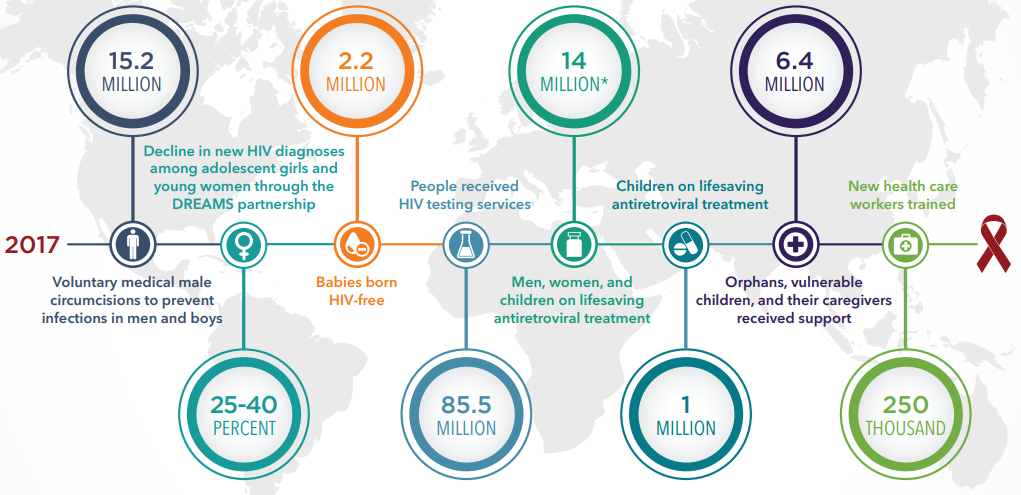
An example of a joint WHO/USA collaboration in the HIV treatment area was the launch and support for early adopting countries in introducing a new, high-quality antiretroviral therapy in 2017. The initiative enables delivery of one pill, once-a-day generic fixed-dose combination ART at a reduced price in Kenya, South Africa and over 90 low and middle-income countries thanks to an agreement made possible by USAID, PEPFAR and other partners. The dedicated drug review process by the US Food and Drug Administration (FDA) ensured delivery of safe, effective and quality antiretrovirals. The agreement provided a new treatment option to reach the most people living with HIV with the goal of reaching epidemic control.
WHO and CDC worked collaboratively to develop the AIDS Free Framework, which focuses on the scale-up of care and treatment for children and adolescents in countries with the biggest pediatric treatment gaps. WHO and CDC also reviewed and contributed to an early childhood development framework and guideline development in the context of HIV exposed uninfected infants. Additionally, WHO has worked with CDC on a modeling project that forecasts global production commodities needed for pediatric antiretroviral medications.
The United States has heart
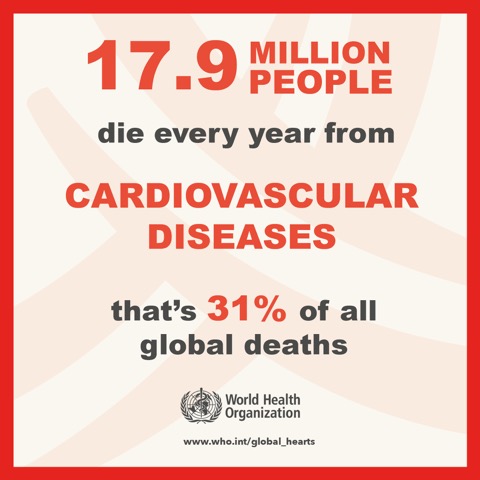
Heart diseases are the number 1 cause of death globally: more people die annually from cardiovascular diseases (CVDs) than from any other cause.
The goal of the Global Hearts Initiative aims to reduce premature deaths from CVDs in target countries by supporting governments around the world to scale up efforts on CVD prevention and control through five technical packages. Launched in 2016, the Global Hearts Initiative has been rolled out in many countries.
The Global Hearts Initiative was launched in 2016 by WHO and the United States Centers for Disease Control and Prevention and has now been rolled out in many countries.
Ending TB
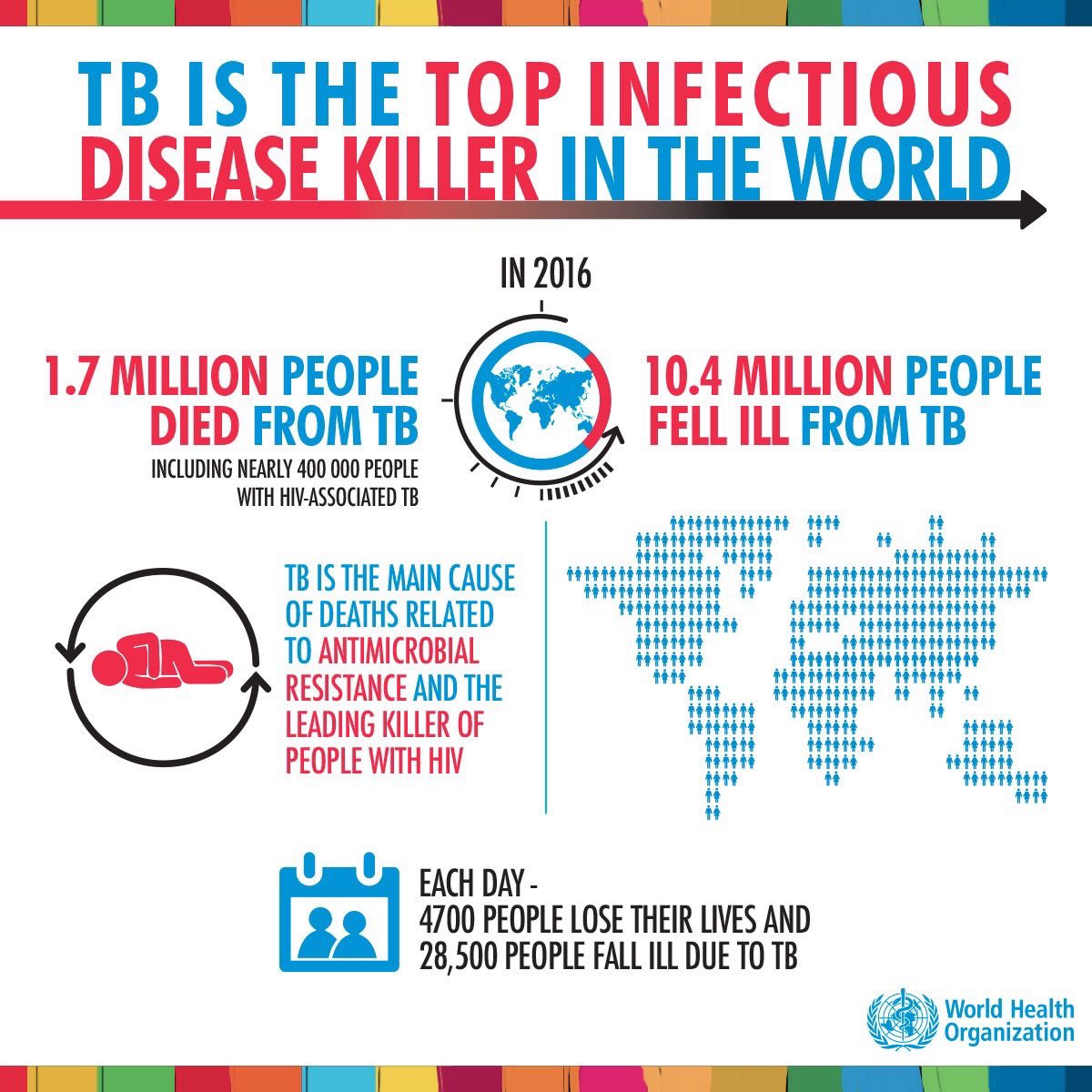
Tuberculosis (TB) was the top infectious killer in the world in 2016, according to WHO's Global tuberculosis report 2017. TB is also a major cause of deaths related to antimicrobial resistance and the leading killer of people with HIV.
WHO helped countries strengthen their monitoring and evaluation systems. A total of 132 countries have set targets for reductions in TB incidence and mortality within their national strategic plans for TB.
WHO developed and updated a total of 18 policy guidelines and technical tools to support the global strategy to end TB, including:
- guidelines on new diagnostics, including a line probe assay for second-line drugs, and other molecular tests;
- guidelines on a shorter treatment regimen for multidrug-resistant (MDR)-TB, and new drugs for the treatment of drug-resistant TB; and
- frameworks to promote mandatory case notification and advance digital health.
WHO helped expand TB diagnostic lab networks and the uptake of WHO recommendations on TB diagnostics. Support also went to 30 priority countries to roll out new WHO recommendations on multidrug-resistant TB treatment.
WHO also assisted priority countries in Africa and Asia to engage more private care providers in TB prevention and care.
In 2017 WHO and USAID released a, "Guide To Develop A National Action Plan on Public-Private Mix" to strategically and systematically scale-up the engagement of all care providers in TB prevention and care.
Maternal and Child Health
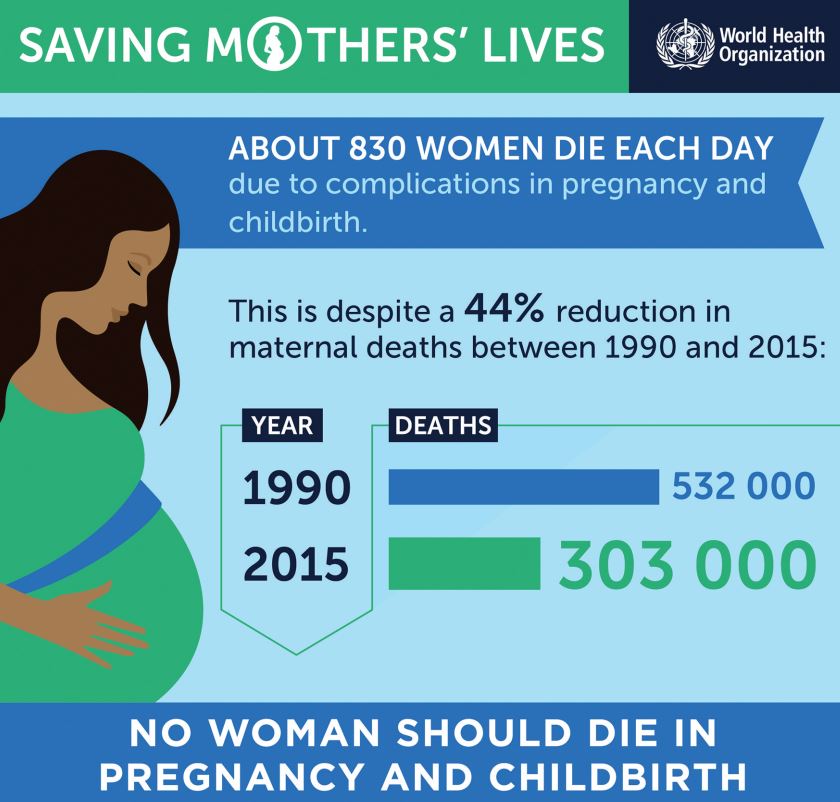
WHO programming supports USAID’s target of saving 15 million children and 600,000 women by 2020.WHO applauds USAID and CDC’s initiatives to prevent child and maternal deaths through strong maternal and child health programmes, HIV treatment and comprehensive care of HIV-exposed infants, malaria control, family planning, nutrition and water and sanitation programmes.
WHO and USAID collaborate with other partners in the Network for Improving Quality of Care for Maternal, Newborn and Child Health.
Ten months after the Network’s launch, representatives from the first Network countries – Bangladesh, Côte d’Ivoire, Ethiopia, Ghana, India, Malawi, Nigeria, Tanzania and Uganda – joined by Kenya and Sierra Leone, shared their progress on introducing a national quality of care strategy in learning districts and facilities.
Eliminating Mother-to-Child Transmission of HIV and Syphillis
CDC works closely with WHO on the Global Validation of Elimination of Mother-to-Child Transmission of HIV and Syphilis Advisory Committee to support and validate country-specific achievement of eliminating mother-to-child transmission.
WHO/CDC Syphilis Serology Proficiency Programme works to improve regional capacity and quality of syphilis testing worldwide, particularly in low and middle-income countries.
In 2015, Cuba became the first country to achieve elimination of mother-to-child transmission as measured by the WHO global validation criteria. Since then, another 10 countries have been validated, however none is from the WHO AFRO region. In 2017, WHO released updated guidance that includes criteria for certification along what’s known as the “path to elimination,” recognizing the substantial progress of many high HIV-burden countries that are moving toward the elimination of mother-to-child transmission.
Preventing child deaths in Yemen
In Yemen, thanks to the support of partners like USAID, WHO is setting up stabilization centres, delivering nutrition kits and training health workers on how to manage severe acute malnutrition.
USAID is bolstering existing health service systems affected by conflict and supporting the delivery of primary health care services to hard-to-reach populations.
USAID is also assisting health facilities as they try to combat the rising number of child deaths from preventable illnesses and promote improved child development.
Support from USAID in Yemen also contributed to reaching more than 244, 000 children with nutrition, immunization and integrated management of childhood illness.