

Luxembourg
Partners in global health
WHO/C. Black
©
Credits
Making an impact in health development
WHO is proud to partner with Luxembourg, a strong supporter of global health, that contributes more than 15% of its official development assistance to the health sector. Since 2009, Luxembourg has provided 1% of its gross national income to development assistance, one of the few countries that exceeds the United Nations target of 0.7%.
WHO and Luxembourg work together in key health areas including universal health coverage; reproductive, maternal, newborn, child and adolescent health; health emergencies; polio eradication; and tropical disease research. Since 2017, Luxembourg has co-chaired the Special Programme for Research and Training in Tropical Diseases, a partnership hosted by WHO.
Luxembourg’s General Development Cooperation Strategy: The Road to 2030 highlights health as a key area for eradicating poverty. Luxembourg has pledged to improve access to safe and affordable health care with stronger domestic health systems, fight the spread of communicable diseases with a specific focus on HIV/AIDS, and prioritize maternal and child health, including sexual and reproductive health and rights. In 2019 Luxembourg recommitted to end the epidemics of AIDS, tuberculosis and malaria and increased it's pledge to the Global Fund by 15%.
The development strategy leverages Luxembourg’s financial expertise to create innovative mechanisms to reach health goals. The country is a chartering member of Luxflag and the Agricultural Business Capital Fund, initiatives that promote responsible investment to help reach the Sustainable Development Goals. Luxembourg is also one of the eight members of WHO’s Small Countries Initiative, a knowledge sharing platform in the WHO European region to improve the health and well-being of populations.
Through its participation in WHO’s governance and leadership in innovative initiatives like the Universal Health Coverage Partnership, Luxembourg helps ensure that WHO has the resources to create healthier lives for all people.
Luxembourg: One of WHO's highest per capita donor
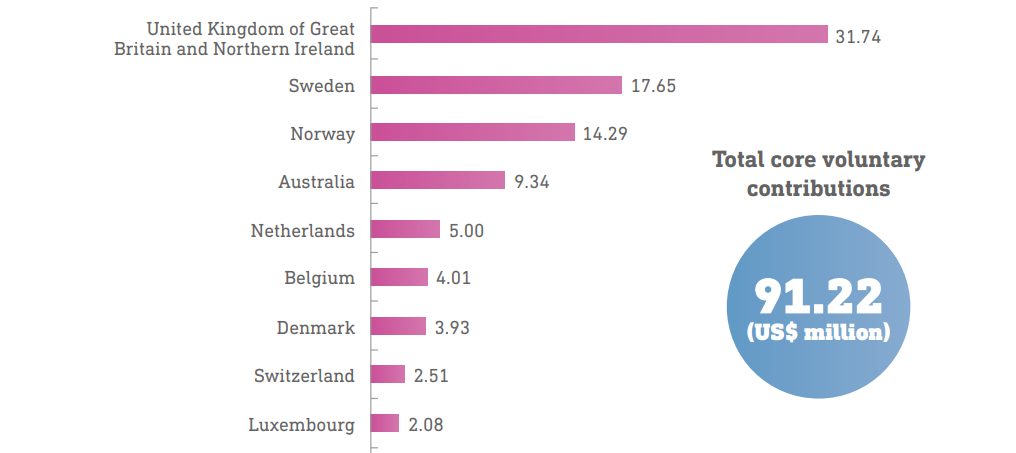
Luxembourg is one of WHO's top 10 core voluntary donors. Core voluntary contributions are vital for WHO to ensure that critical gaps in funding are filled and allow WHO to act quickly by allocating funds when and where they are needed.
Comparing Luxembourg’s relative voluntary contributions with other top flexible donors, Luxembourg ranks 1st, showcasing Luxembourg’s strong commitment to collaborating with WHO and help achieve the health-related SDG targets.
Top areas of funding for the 2018-2019 programme budget include:
- National health policies, strategies and plans
- Reproductive, maternal, newborn, child and adolescent health
- Tropical disease research
- Polio eradication
- Health emergencies
Luxembourg ranks 9th amongst WHO's most flexible donors
Political support
Grateful for #Luxembourg's 🇱🇺 @EtienneSchneide support to @WHO ‘s transformation effort and flexible financial contribution. https://t.co/4mWUlsfGBZ
— Tedros Adhanom Ghebreyesus (@DrTedros) May 22, 2019
Mental health
Thanks to Luxembourg's Prime Minister @Xavier_Bettel for spending time on the Friendship Bench with @DrTedros and @elisha_london and helping us to spread the word that it's #TimeToAct on #mentalhealth. #wef19 pic.twitter.com/cLpelQ5jZE
— United for Global Mental Health (@UnitedGMH) January 22, 2019
UHC Partnership
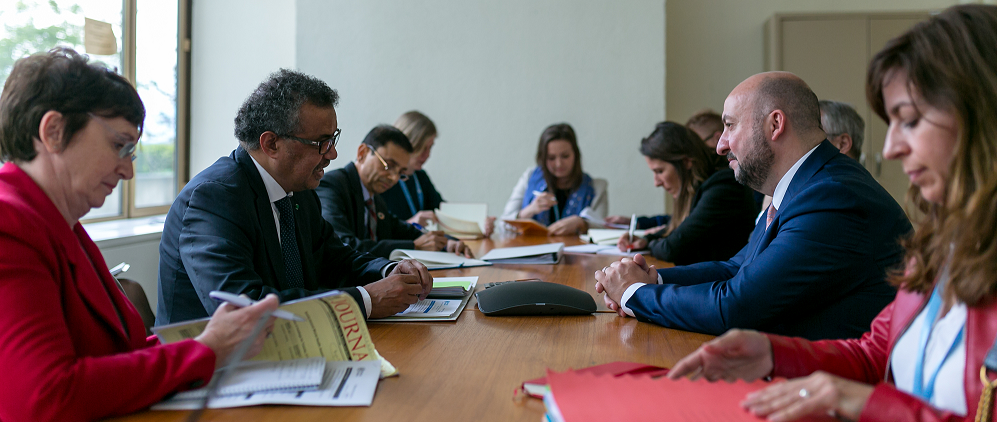
@UHCPartnership Luxembourg Minister of Health meets Dr Tedros in Geneva https://t.co/MT8X9DR4tP pic.twitter.com/du2cMAlkHd
— Gerard Schmets (@GerardSchmets) March 2, 2018
Champions of Universal Health Coverage
Luxembourg is one the founding members of the Universal Health Coverage Partnership. This innovative partnership supports 115 countries in fostering policy dialogue for strategic planning and health systems governance, developing health financing strategies and supporting their implementation, and enabling effective development cooperation in countries. The achievement of Universal Health Coverage is the overarching goal of Luxembourg’s health strategy. Through the Partnership, Luxembourg directly supports six of its partner countries:
The health sector policy dialogue strengthening program is entering its third phase in Cabo Verde, which will cover the period 2019-2021. After two phases marked by significant achievements for the country, the next phase focuses on inclusive political dialogue that aims to provide better access to essential health services, better financial protection and greater equity in the health system.
Results from the programme include the completion of crucial work such as the National Health Development Plan, the Regional Health Development Plans, the Strategic Training Plan in Family and Community Medicine, the revision of the basic law health sector, and the revision of the National Essential Medicines List. Read more
Enabling quick action to save lives
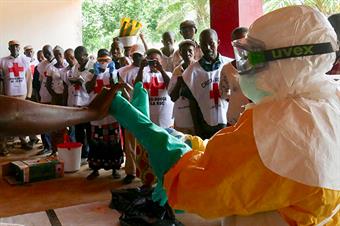
The WHO Health Emergencies Programme (WHE) works with countries and partners to prepare for, prevent, respond to and recover from all hazards that create health emergencies, including disasters (natural or human-made), disease outbreaks and conflicts.
In 2017, Luxembourg provided €500,000 in fully flexible funding to support health emergencies. This was the first tranche of a €1.5 million, 3-year commitment.
This funding has built core capacity to detect disease outbreaks; develop standards to manage high-threat pathogens; respond to health emergencies in crisis countries; and build the capacity in countries to prepare for health emergencies.
For 2018-2019, as part of their 3-year commitment, Luxembourg has contributed €1 million to support WHO's Contingency Fund for Emergencies. The Contingency Fund for Emergencies
(CFE) allows WHO to respond immediately to disease outbreaks and humanitarian crises. The ability to respond quickly, in as little as 24 hours, can stop a health emergency from spiraling out of control. Luxembourg disbursed €500,000
to the CFE in 2018 and is committed to providing an additional €500,000 in 2019.
WHO Collaborating Centre: Luxembourg Institute of Health
WHO works with the Luxembourg Institute of Health’s Clinical and Applied Virology, Infectious Diseases Research Unit as the WHO Collaborating Centre for Reference and Research on Measles Infections. It is one of the three WHO regional reference laboratories for measles and rubella in the WHO European Region.
The Luxembourg Institute of Health provides expertise, knowledge sharing and support to national measles and rubella labs in 22 countries in the region, in detecting and characterizing circulating measles and rubella viruses.
Thanks to collaboration with the WHO Measles and Rubella Laboratory Network, Luxembourg enhances disease surveillance capacity and monitoring the efforts toward measles and rubella elimination.
Reproductive , maternal, newborn, child, and adolescent health
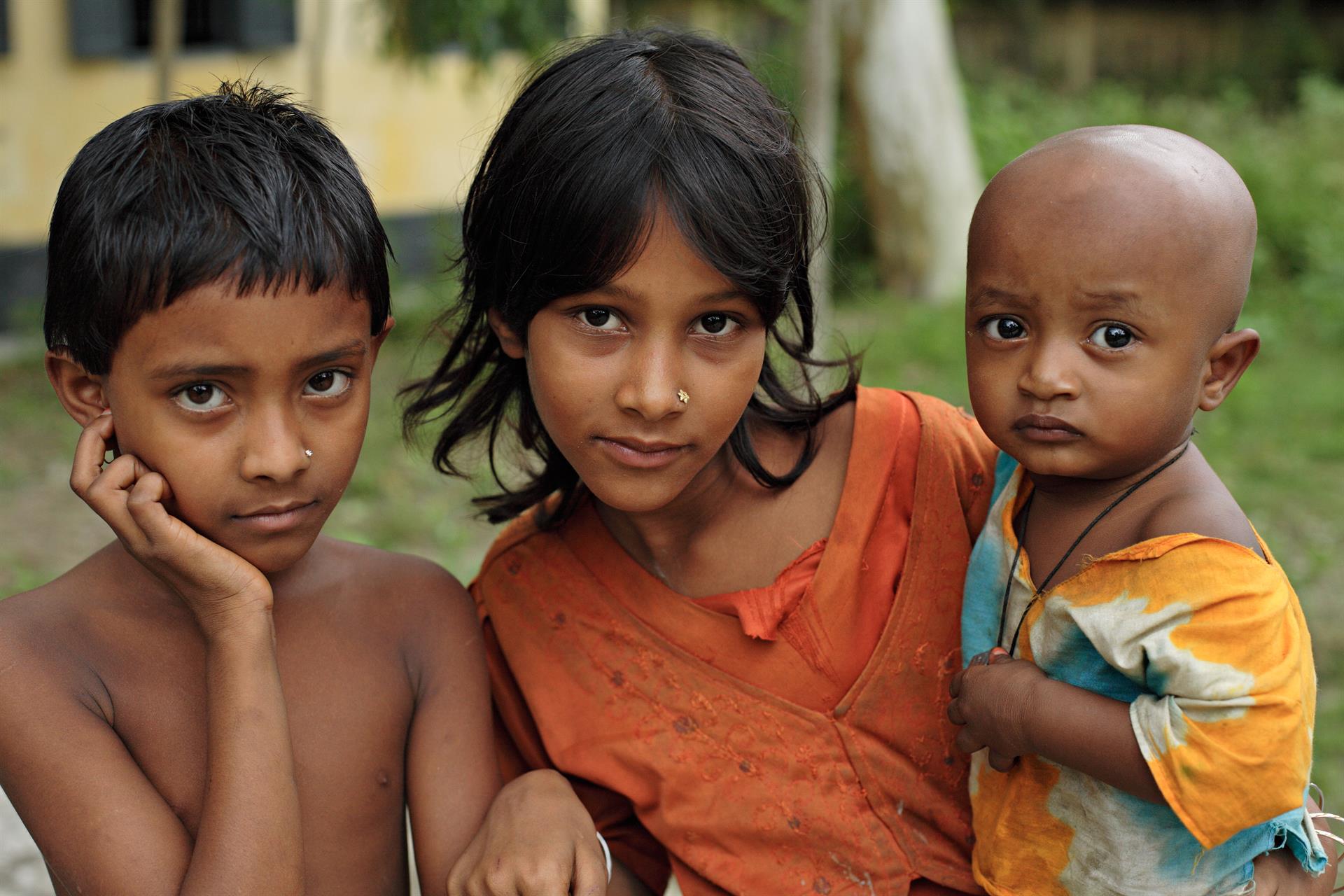
There are nearly 1.2 billion adolescents (10- 19 years old) worldwide. In some countries, adolescents make up as much as a quarter of the population. While the majority of adolescent health issues are preventable or treatable, adolescents face multiple barriers in accessing health care and information. WHO is working to support Member States to create transformative outcomes for the world 1.2 billion adolescents and generations to come, through committing to urgently scale up efforts to respond to the needs of adolescents in service delivery, financing and governance. A new report "Adolescent Health The Missing Population in Universal Health Coverage," by WHO and partners outlines how policymakers can take action in the areas of service delivery, financing and governance.
Eradicating polio
Tonight I was honoured to receive the Polio Eradication Champion Award from @Rotary. Luxembourg is committed to support the fight against polio until the end! pic.twitter.com/ovDeXBpelv
— Xavier Bettel (@Xavier_Bettel) November 16, 2017
Polio Eradication - PM of Luxembourg Xavier Bettel commits to Global Health at the 2016 Global Citizens Festival
Luxembourg is a long-term supporter and the second-largest per capita donor to polio eradication. Its total contribution to the programme is US$20 million. The goal of the
Global Polio Eradication Initiative is to complete the eradication and
containment of polio viruses, so that no child ever again suffers paralytic
poliomyelitis.
At the Global Citizen Festival in 2016, Luxembourg's Prime Minister, Xavier Bettel, voiced his commitment to eradicate polio. Luxembourg pledged to give €500,000 annually until 2019 and provided funds of up to €500,000 for outbreak response to eradicate polio. Rotary International presented Luxembourg's Prime Minister, Xabier Bettel, with its prestigious Polio Champion Award in November 2017. Grand Duc Henri of Luxembourg and former Prime Minister Jean-Paul Juncker have also received the award.
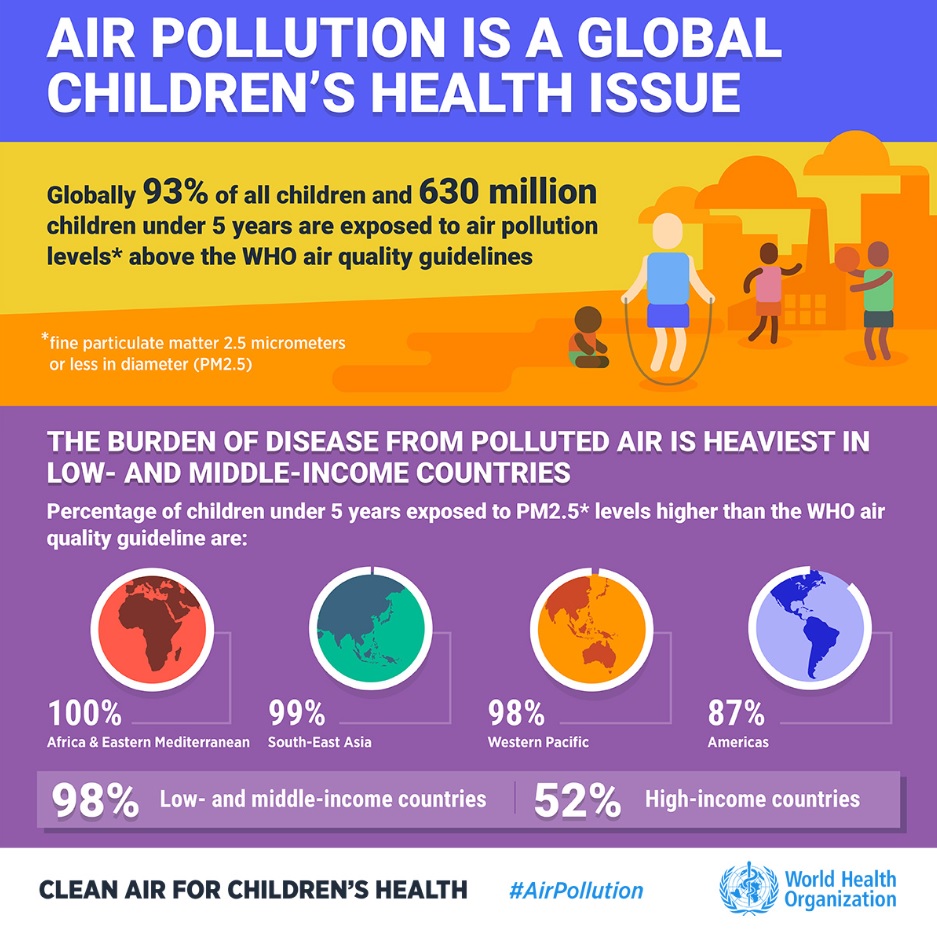
Clean air for health
“Healthier Kosovo1” project is financed by the Government of Luxembourg and implemented by WHO, UN Development Programme and UN Volunteers. It aims to address environmental health issues by strengthening the capacities of national institutions for air pollution and health.Several awareness-raising workshops and trainings have been hosted with the ministry of health, most recently using WHO’s AirQ+ software as a way to conduct an environmental health impact assessment.
1 All references to “Kosovo” should be understood/read as “Kosovo (in accordance with Security Council resolution 1244 (1999)