
Germany
Partner in global health
Shaping global health
Germany has embraced its responsibility and leadership in global health by providing German experience, expertise and funds to WHO. In 2013 the German government launched its global health strategy paper to further strengthen their contribution to global health policy. Chancellor Merkel with other global leaders wrote to WHO, to request the development of a Global Action Plan on health and well-being in 2018. Thanks to Germany's strong support The Global Action Plan to accelerate progress on the health-related Sustainable Development Goals was launched September 2019 at the UN General Assembly.
WHO and Germany work together towards global health security and ensuring impact in countries through a transformed WHO, with a focus on measurement and accountability. Germany has shown its commitment to global health throughout the years by making health a priority during its presidency of the G7 and continuing this commitment throughout its presidency at the G20 in 2017. The G20 meeting was the first time that the international forum included a comprehensive health track. WHO Director-General, Dr Tedros Adhanom Ghebreyesus led a WHO delegation to the Summit in Hamburg to discuss global health security and other key health areas.Germany continues to advocate for health on the global stage through platforms like the UN Security Council and during their EU Presidency.
The German Federal Ministry of Health has committed €115 million of voluntary funds to WHO for a 4-year period. These predictable funds will help WHO and partners implement programmes to achieve SDG 3 and WHO’s 5-year strategic plan (GPW13, 2019-2023). This builds on a prior total German contribution of US$ 190 milllion for the period of 2016-2017.
Looking forward, the partnership between WHO and Germany will continue to work on shared priorities in health, including emergencies, antimicrobial resistance, health systems strengthening and other areas to achieve SDG 3.
“WHO is the only international organization that enjoys universal political legitimacy on global health matters.”
- Angela Merkel, Chancellor of Germany, 68th World Health Assembly
.tmb-1920v.jpg?sfvrsn=a6785edd_2)
Just met with #Germany's Health Minister, @jensspahn. I thanked him for 🇩🇪's contribution of €115m in flexible, predictable, long-term funding, which will save lives & help keep the 🌍 safe. WHO also appreciates Germany's initiative on the #SDG3 Global Action Plan. #HealthForAll pic.twitter.com/XULkC6Ag2P
— Tedros Adhanom Ghebreyesus (@DrTedros) October 16, 2018
Productive discussion with State Secretary Antje Leendertse of #Germany🇩🇪 & delegation on how to implement the #SDG3 Global Action Plan & deliver #HealthForAll. I also updated them about the #Ebola response in #DRC & thanked them for their contribution. pic.twitter.com/NO7PkQLP91
— Tedros Adhanom Ghebreyesus (@DrTedros) October 12, 2019
Honoured to meet Ms Heike Baehrens, the chair of the first Global Health Sub-Committee in the German Bundestag 🇩🇪. I thanked her for #Germany’s championing of global health in the #g20 & its increasing contributions to @WHO. Working together for a safer, healthier, fairer world. pic.twitter.com/0tyH0dvx7t
— Tedros Adhanom Ghebreyesus (@DrTedros) February 6, 2019
Germany: A top WHO donor 2018-2019
WHO is proud to partner with Germany, which has significantly increased its funding to WHO during the 2018-2019 biennium. Contributions from Germany rose from US $190.6 million in 2016-2017 to US $358.8 million in 2018-2019, making Germany the 5th largest donor to WHO in 2018-2019. The strategic agreement between Germany and WHO ensures that all contributions are aligned to meet the needs of global public health and achieve results. Long-term strategic agreements allow for the best alignment with the WHO programme budget and sustainable predictable funding. WHO thanks the German people for their generosity throughout the years.
For the 2018-2019 biennium German funds contributed to the following areas:
- Polio eradication
- Increase access to essential health and nutrition services
- Country health emergency preparedness and the International Health Regulations (2005)
- Health systems, information and evidence
- Health and the environment
Germany supports a strong WHO for global health results
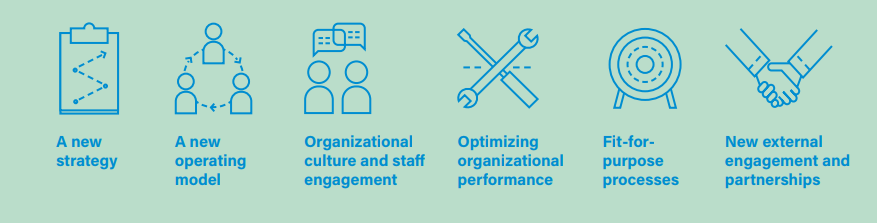
Germany supports a strong and efficient WHO through their engagement and is committed to the WHO reform process.
The project for increased accountability and transparency supported by Germany included the development of the WHO Register of Non-State Actors required by the Framework of Engagement with Non-State Actors (FENSA) and by further enhancing the WHO Programme Budget Webportal to allow WHO to join the International Aid Transparency Initiative IATI.
The Register of non-State actors and the Programme Budget Webportal are widely considered as best practice examples of transparency and accountability in engagement with non-State actors and financing.
Antimicrobial resistance
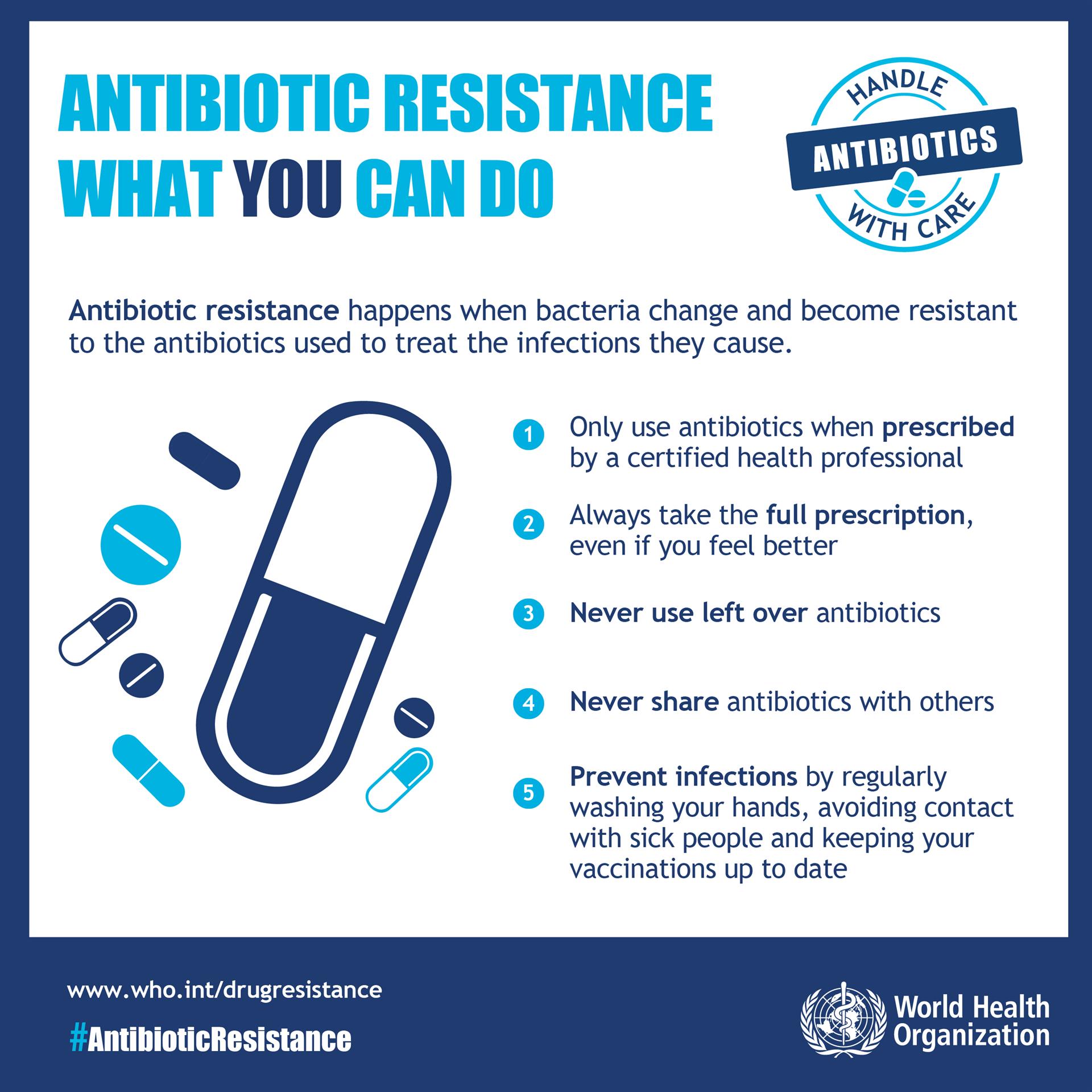
Germany gave political importance to the global threat of antimicrobial resistance during their G20 presidency in 2017. Germany has supported WHO's work in antimicrobial resistance through both funding and institutional support.
In collaboration with University of Tübingen, Germany, WHO published the first ever list of pathogens that are resistant to antibiotics and therefore necessitate prioritisation for research and development of new antibiotics.
"New antibiotics targeting this priority list of pathogens will help to reduce deaths due to resistant infections around the world," says Prof Evelina Tacconelli, Head of the Division of Infectious Diseases at the University of Tübingen and a major contributor to the development of the list. "Waiting any longer will cause further public health problems and dramatically impact patient care."
Since the publication of the list the scientific community has used it as a guide to facilitate research and development for innovative antibiotics.
Through joint initiatives like The Global Antibiotic Research & Development Partnership (GARDP), WHO ensures the development and delivery of new treatments for bacterial infections where drug resistance is present or emerging, or for which inadequate treatment exists. With Germany's support WHO was able to publish "Antibacterial Agents In Clinical Development" which monitors and analyses the landscape to assess where gaps need to be filled.
Health systems strengthening
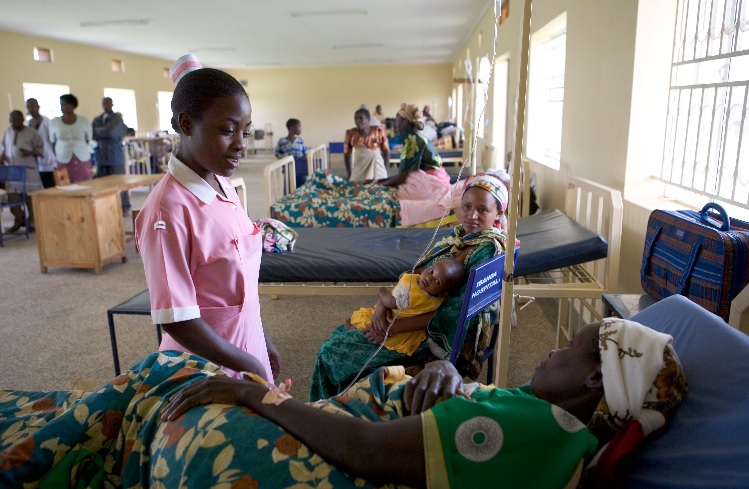
Germany supports WHO and partners in launching the global report on “Delivering quality health services: a global imperative for Universal Health Coverage”. This document focusses on the quality of health services, which involves providing effective, safe, people-centred care that is timely, equitable, integrated and efficient.
Health systems can only function with well trained and motivated health workers; improving health service coverage and realizing the right to the enjoyment of the highest attainable standard of health is dependent on their availability, accessibility, acceptability and quality. Financial support from the German Federal Ministry of Health enabled targeted implementation of the "Global Strategy on Human Resources for Health: Workforce 2030" and the Working for Health Programme. To date, more than 75 countries implement the guidance on data, education, health labour markets, gender equity and Community Health Workers that was developed by WHO.
In 2017/2018, with the support from Germany, 53 Member States received technical support from WHO on health worker migration.
The WHO Global Patient Safety Challenge –Medication Without Harm – was launched at the second Global Ministerial Summit on Patient Safety, Bonn, Germany, in March 2017 with the aim of reducing severe, avoidable medication-related harm by 50% globally in the next five years.
Emergency preparedness, outbreak and crisis response
From prevention through preparedness to early warning, response, and early recovery, the WHO Health Emergencies programme is operational. Germany supports the Emergencies programme, the International Health Regulations and other initiatives, like the Global Preparedness Monitoring Board to ensure that the world is ready to respond to outbreaks and other health emergencies.
Under German leadership, the G7 made a commitment to promote global health and offered to assist 60 countries to implement the International Health Regulations.
In February 2017, the WHO Regional Office for Europe created and launched a capacity-building package for Emergency Risk Communications, to ensure that countries comply with International Health Regulations.
The first phase of this project, supported by the Federal Ministry of Health of Germany, focused on working closely with 13 countries of the Region. This project empowers countries to shorten the time required for emergency control and ensures that affected communities receive the information they need when they need it. A newly released report details this phase, which targeted Armenia, Bosnia and Herzegovina, Estonia, Kyrgyzstan, Romania, Serbia, Slovakia, Slovenia, Sweden, Tajikistan, Turkey, Turkmenistan and Ukraine.
“This initiative demonstrates that a great deal can be accomplished with political will, adequate financing and new methods,” says Dr Nedret Emiroglu, Director of the Division of Health Emergencies and Communicable Diseases at WHO.
On 1 March 2018, Turkmenistan became the first country of those enrolled in the project to adopt a national Emergency Risk Communication plan.
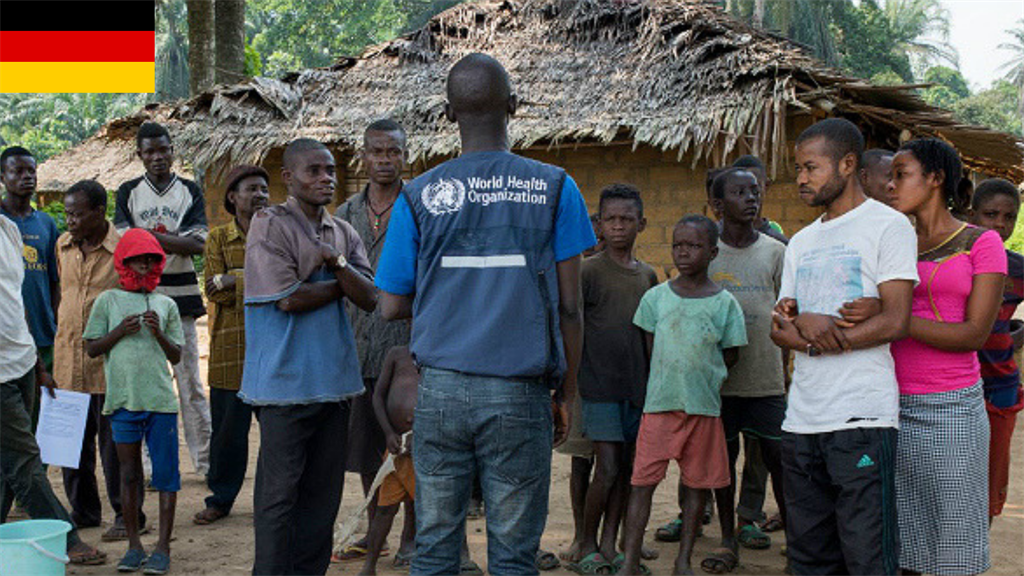
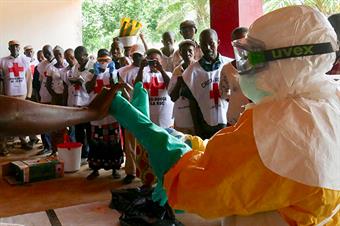
Thanks to German support WHO and partners are working to end the outbreak in the Democratic Republic of the Congo.
Germany is a top donor to WHO's Contingency Fund for Emergencies
Germany is the top donor to WHO's Contingency Fund for Emergencies (CFE), which responded to over 23 health emergencies in 2017 alone. From 2015-2019 Germany provided US 41 million to the CFE, which helped fund the most severe health emergencies:
- The Ebola response in Democratic Republic Congo - Thanks to German support to the CFE there are now over 1000 Ebola survivors in the Democratic Republic of the Congo.
- Bahamas and Mozambique - To recover health systems from natural disasters that struck the regions.
- Iraq - Thanks to Germany's generous donation 1.5 million people in Salah Al Din now have access to an intensive care unit and more people have access to healthcare facilities with essential medicines and hospital equipment.
- Yemen - From 2017-2018 Germany's support helped over 23 000 people access basic primary health care, including emergency care and outbreak control and response in Hudaydah, Sana'a, Aden, Taiz, Hadramout and Ibb governorates. Over 4800 patients received access to lifesaving surgical care.
German support helps contain Ebola outbreak
Thank you so much for your invaluable support, Minister @jensspahn. With #Germany's generous contribution of €5 million, we will be able to continue our #Ebola response in #DRC. Vielen dank, #Deutschland https://t.co/VMnae4PC3D
— Tedros Adhanom Ghebreyesus (@DrTedros) May 21, 2018
Ambulances provide urgent care in Iraq
Thank you #Germany! Your generous donation helped WHO and health partners in #Iraq provide the needed lifesaving support to healthcare facilities with essential medicines and hospital equipment. pic.twitter.com/0coPAvaxUd
— WHO Iraq (@WHOIraq) August 7, 2018
Partnering to prepare for health emergencies
Good discussion with German Amb. on delivering in emergencies within 24h. Grateful for partnership to strengthen health emergency preparedness & response. 🇩🇪 is the largest donor to @WHO's Contingency Fund for Emergencies, providing $15.2 M in 2018. Danke! https://t.co/pPOkZbZToN pic.twitter.com/uLDZlmuZnB
— Peter Salama (@PeteSalama) December 5, 2018
Yemen: Children with malnutrition cared for
The generous support granted by #Germany🇩🇪 has enabled WHO in #Yemen to provide this therapeutic feeding centre in #Aden and 5 more centres in #Hudaydah, #Hadramout, #Sanaa, #Taiz and #Ibb with essential medicines necessary to treat #children with severe acute malnutrition. pic.twitter.com/B5X0PoA2Ta
— WHO Yemen (@WHOYemen) September 9, 2018
German NGOs bolster WHO's Emergency Medical Teams (EMTs)
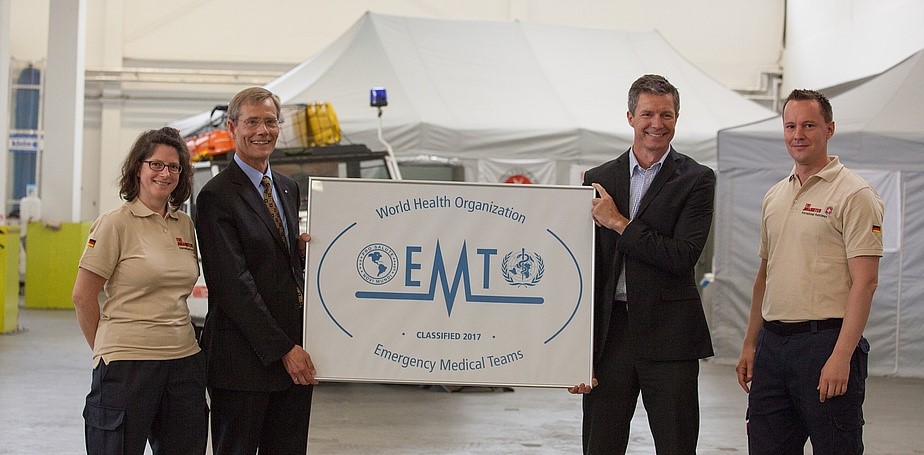
The German teams, Johanniter International Assistance and Arbeiter-Samariter-Bund (ASB), are the first nongovernmental organizations (NGOs) to join the directory of classified Emergency Medical Teams (EMTs). Johanniter International Assistance is the first mobile EMT to be classified globally.
"Congratulation for the hard work and thank you for taking part in this process. WHO is very pleased to work with Johanniter and it's over 50 000 Johanniter employees and volunteers in whole Germany. Hopefully you join us and support other teams in low income countries to be able to respond to their own health emergencies, including disasters and outbreaks," says Dr. Ian Norton, WHO EMT Secretariat.
WHO Junior Professional Officer Programme
WHO's Junior Professional Officer (JPO) Programme is a starting point for young professionals who wish to pursue a career in public health. Over the last decade, Germany has sponsored over 30 JPOs for WHO, many who have continued their careers in public health at WHO and other agencies.
JPOs serve at country offices, regional offices and at headquarters. Under the supervision of a senior staff member, JPOs work with international and national staff and are involved in the identification, design, implementation, monitoring and evaluation of WHO programmes. The programme provides donors with the opportunity to support on-the-job learning for their nationals.
Test and treat– accelerating HIV response
Thanks to German funding WHO provided targeted programmes in Kazakhstan, Kyrgyzstan, Republic of Moldova, Tajikistan and Ukraine to accelerate the response to HIV. Many people living with HIV start treatment too late, which leads to excess morbidity, including AIDS and tuberculosis (TB), and mortality. These programmes ensured that policies at the national level promoted a faster confirmation of HIV diagnosis and use of rapid diagnostic tests. This allowed people living with HIV to get treated without delay - regardless of their immune status, as recommended by WHO.
As a result of this programme:
- All five countries revised their national protocols on HIV treatment aligning to the latest WHO recommendations; three of these countries approved the revised policies and initiated their implementation.
- Four of the countries revised their national policies on HIV testing to reduce the time of confirmation of HIV results and use the most up to date rapid diagnostic tests.
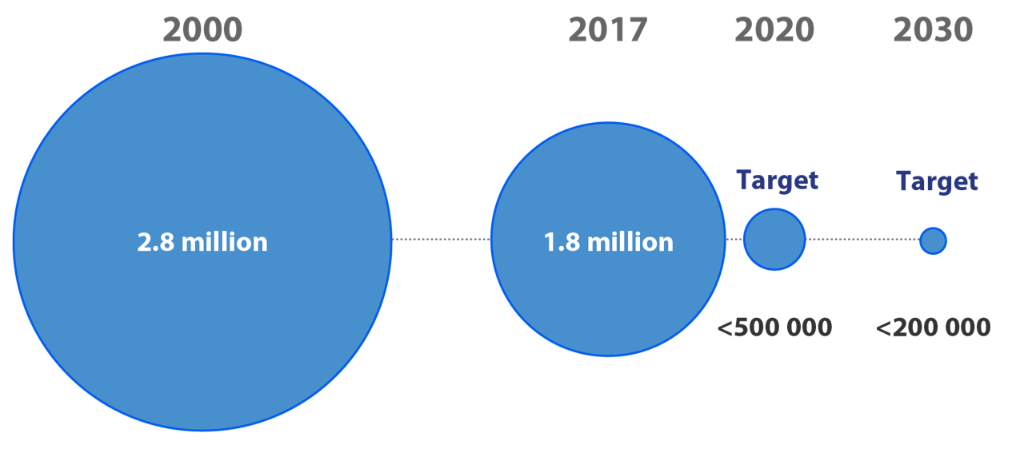
Number of people newly infected with HIV Source: WHO/UNAIDS
Global Polio Eradication Initiative
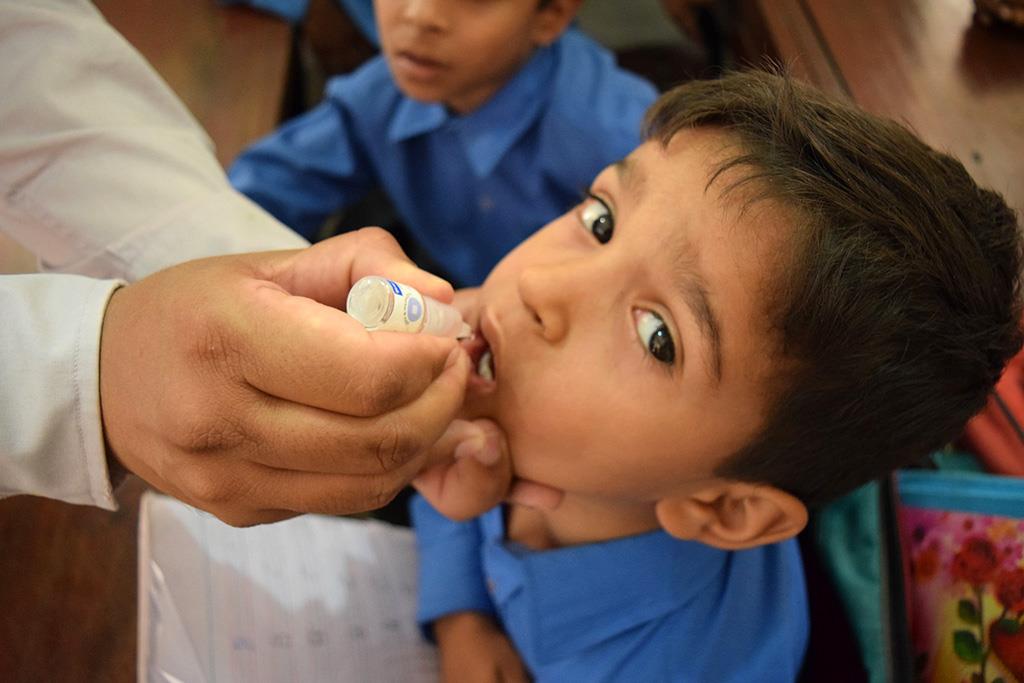
Germany is a longtime supporter of the Global Polio Eradication Initiative (GPEI) with contributions totaling more than US$ 550 million, not including a recently announced additional pledge of € 19.9 million to Nigeria’s polio eradication effort for 2018. For its engagement in polio eradication, including in fostering global commitment, Germany has on numerous occasions garnered international recognition at the highest levels. Chancellor Angela Merkel is a past recipient of Rotary International’s prestigious Polio Champion Award.
With polio at the lowest levels in history in Pakistan, the country is about to launch an all-out and hopefully final assault on the disease in 2018. To help these emergency efforts, the Government of Germany announced in December of 2017 an additional € 2 million in financial support, to Pakistan’s national emergency action plan.
The Global Polio Eradication Initiative partners would like to extend their profound gratitude to both the Government of Pakistan and Germany for their collaboration and for their tremendous support and engagement in the effort to eradicate polio globally.
WHO European Centre for Environment and Health (ECEH), Bonn, Germany
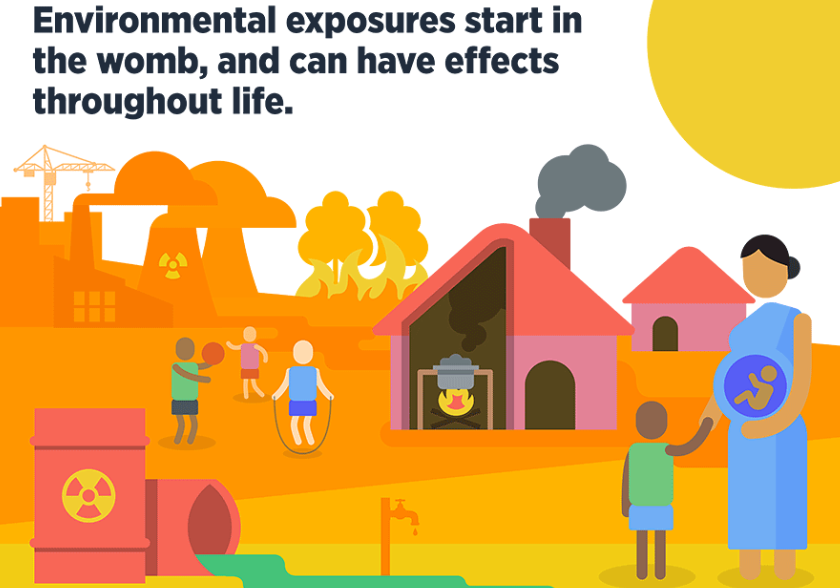
Thanks to the support of donors like Germany, WHO's work reduced environmental threats to health, which are responsible for about one quarter of the global burden of disease and an estimated 13 million deaths each year.
The WHO European Centre for Environment and Health develops policy advice and international guidelines, such as those on air quality and noise, to inform and support decision-making by governments, health professionals, citizens and other stakeholders.
ECEH supports the European process on environment and health, initiated by WHO/Europe in 1989. Current activities focus on follow-up to the Fifth Ministerial Conference on Environment and Health, held in Parma, Italy, in 2010.